
 E-Paper



Photos| Carving out a life in refuge: Three migrants in Berlin
More than 1 million people have come to Germany as migrants since 2015 under Chancellor Angela Merkel's open door policy. Since then, migration has divided Europe and helped propel a rise of far right parties. Many migrants say they are welcomed by Germans but others say they have experienced hostility. At the same time, a handful of militant attacks by migrants have enabled some politicians to argue they represent a threat to German society. Reuters follows three migrants picking up life anew in Berlin, their journey and struggles.
Updated on: Dec 08, 2018 12:02 PM IST

Share via


Copy link

1/10
 View Photos in a new improved layout
Updated on Dec 08, 2018 12:02 PM
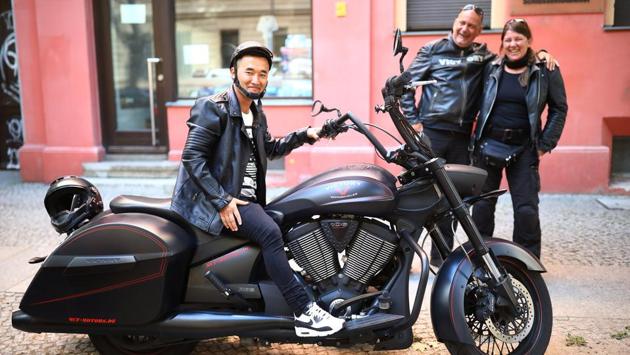
Afghan migrant Ali Mohammad Rezaie poses on the motorbike of his German friends Chris and Jochen in Berlin, Germany. Rezaie doesn’t celebrate his birthday because his parents never noted the date he was born. Yet he knows exactly when he arrived in Berlin to seek asylum: October 15, 2015. That day changed his life. (Hannibal Hanschke / REUTERS)
2/10
 View Photos in a new improved layout
Updated on Dec 08, 2018 12:02 PM
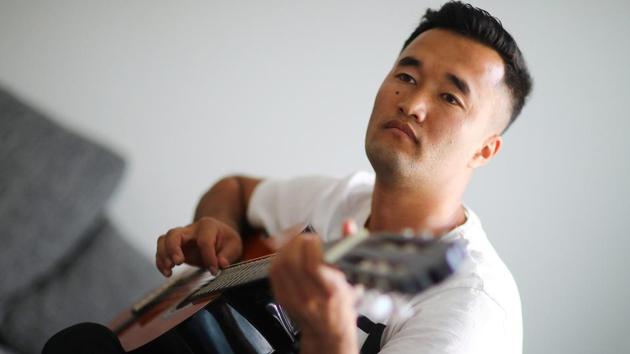
Rezaie plays guitar in his flat in Berlin. “It wasn’t a special day. I was tired and had been on the road for two months,” he told Reuters of his overland journey through the Balkans. Since then he’s sung in a choir and done internships and temporary work at a nursing home, a bakery, hotels and restaurants. It is a far cry from the village of his birth 26 years ago. (Hannibal Hanschke / REUTERS)
3/10
 View Photos in a new improved layout
Updated on Dec 08, 2018 12:02 PM
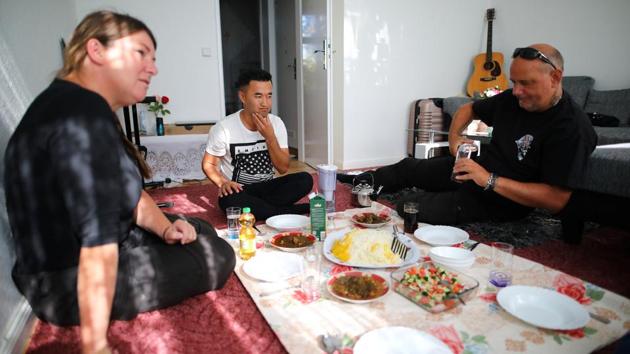
Integration is a journey with many highs and lows and requires more than simply finding a job and learning German. One woman who helped Rezaie is Chris Wachholz (L). They met at the choir and she later invited him to cook and practice German at the home she shares with her husband. A common interest in motorbikes deepened their friendship. (Hannibal Hanschke / REUTERS)
4/10
 View Photos in a new improved layout
Updated on Dec 08, 2018 12:02 PM
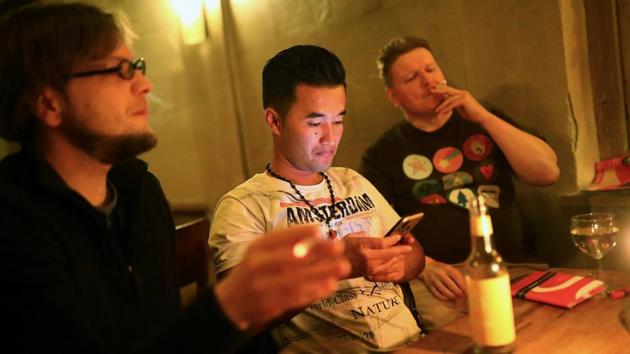
His immigration status prevents Rezaie from taking further steps. His asylum application was rejected and he can only stay on as a ‘tolerated person’, which means he will not be deported but lacks secure status. It is unlikely the job he has found at the Lufthansa lounge at Tegel airport will turn permanent. His fear is exacerbated because his ethnic group, the Hazaras, have faced attacks from militants in Afghanistan. (Hannibal Hanschke / REUTERS)
5/10
 View Photos in a new improved layout
Updated on Dec 08, 2018 12:02 PM
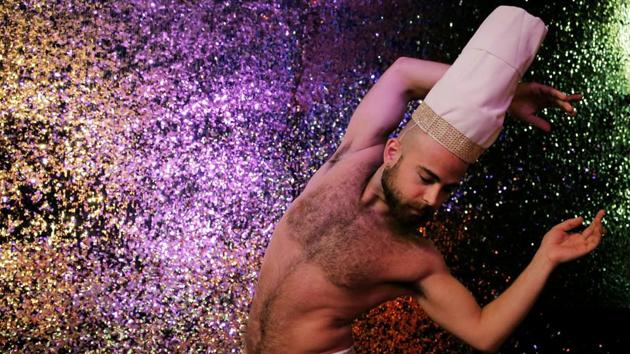
For some, though, the move to Germany has meant new freedom. Haidar Darwish was dancing in Schwuz, one of Berlin’s oldest gay clubs, last year when Israeli student and drag queen Judy La Divana approached him and asked him to perform in her show. He had never danced on stage in his homeland Syria, but La Divana convinced him to try. (Alessia Cocca / REUTERS)
6/10
 View Photos in a new improved layout
Updated on Dec 08, 2018 12:02 PM
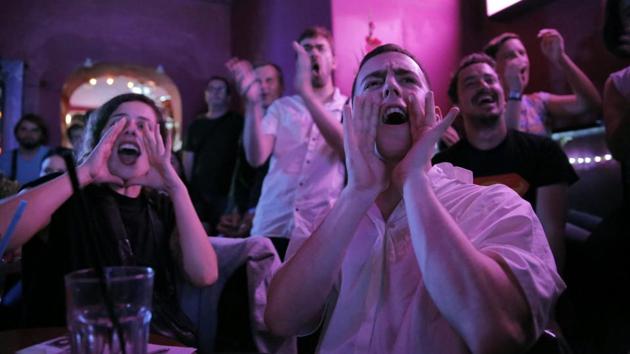
Visitors at Silverfuture club cheer during a show by Haidar Darwish. “Now, many people ask me when and where my performances take place so they can come. Not to brag about it,” he said. Sexual freedom was not the main reason he left Syria in 2016 - the country is at war, after all - but it represents a discovery he would not trade. (Alessia Cocca / REUTERS)
7/10
 View Photos in a new improved layout
Updated on Dec 08, 2018 12:02 PM
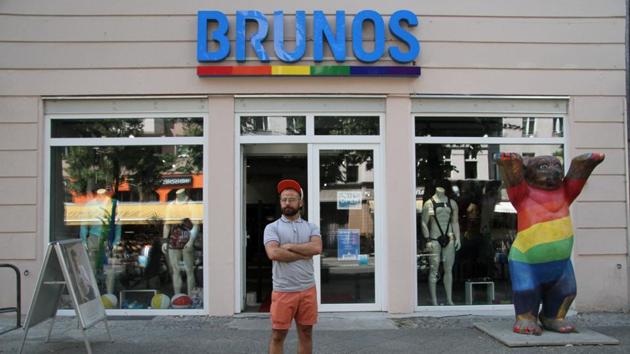
Darwish outside his workplace in Berlin. To supplement this income, he works at Brunos, a fashion and erotic shop that targets gay men. “I found out that the store manager ... had come to my shows many times and we’d even danced together once,” he said. (Alessia Cocca / REUTERS)
8/10
 View Photos in a new improved layout
Updated on Dec 08, 2018 12:02 PM
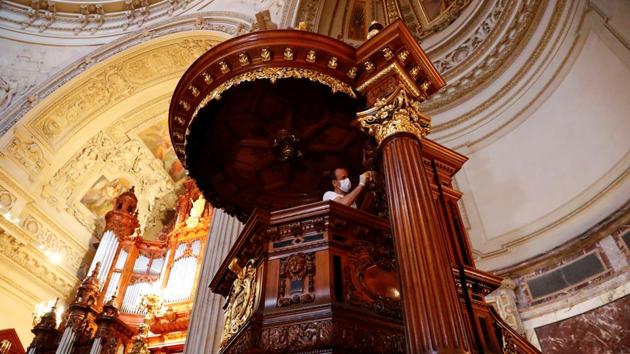
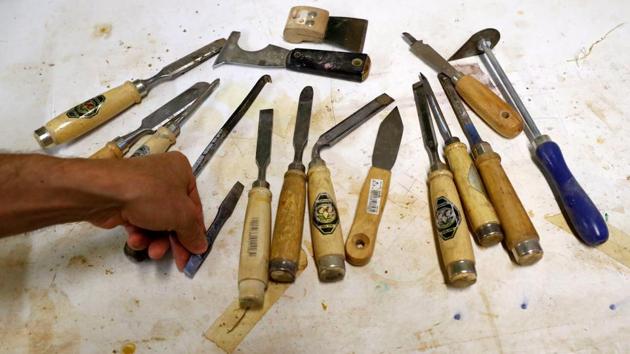
For others, the quest for freedom has been fraught. Joseph Saliba (C) was nine when his father sent him to work for a friend in Damascus who restored wood and mosaics. He fell in love with the craft and become a wood restorer. Business was booming when war broke out in 2011. Scared of being drafted into the Syrian army, he fled to Europe three years ago. (Fabrizio Bensch / REUTERS)
9/10
 View Photos in a new improved layout
Updated on Dec 08, 2018 12:02 PM
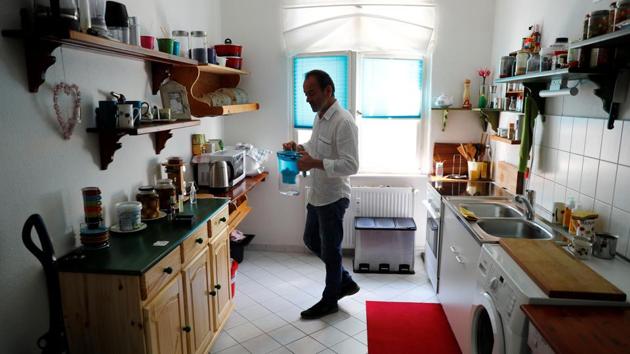
Joseph Saliba sorts his tools in a workshop inside the Berlin Cathedral. His German language class went on a field trip to Cathedral and immediately he felt a connection. He offered to volunteer in restoration work at the church using tools he had made himself. A year later, the church offered him a paid job. The church became a home but not Germany. (Fabrizio Bensch / REUTERS)
10/10
 View Photos in a new improved layout
Updated on Dec 08, 2018 12:02 PM


