
 E-Paper



Photos| Dance bars and mobile phones: The changing face of Bhutan
Bhutan measures its national wealth by a Gross National Happiness index aiming to build a content, fulfilled society but at the same time finds itself trapped in the competitive need for development. The once-isolated Buddhist country tucked between India and China is changing, and bringing the modern world’s problems in its wake.
Updated on: Jan 19, 2018 12:30 PM IST

Share via


Copy link

1/10
 View Photos in a new improved layout
Updated on Jan 19, 2018 12:30 PM
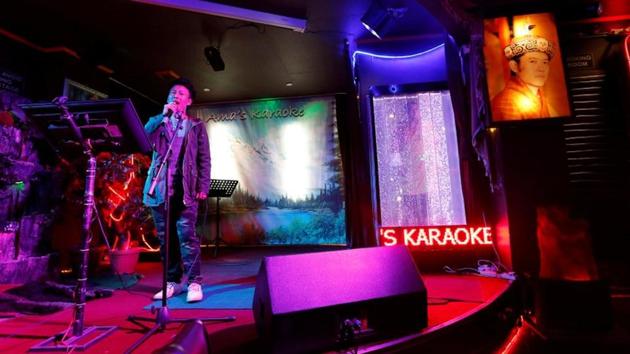
A man sings in a Karaoke bar beside a portrait of King Jigme Khesar Namgyel Wangchuck in Thimphu, Bhutan. For decades Bhutan had no television, no traffic lights and a culture that had barely changed in centuries. But the once-isolated Buddhist country tucked between India and China is changing, and bringing the modern world’s problems in its wake. (Cathal McNaughton / REUTERS)
2/10
 View Photos in a new improved layout
Updated on Jan 19, 2018 12:30 PM
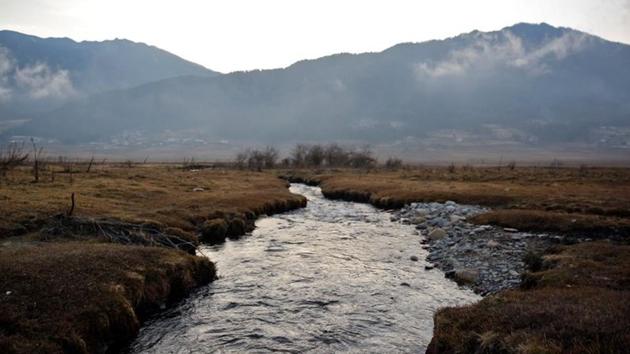
A stream runs through the Phobjikha Valley in Bhutan. A territory that was never colonized in its history and led by Buddhist theocracy, Bhutan has largely remained aloof from modernization. Today, bars dot the capital, set in mist-covered mountains while teenagers crowd internet cafes to play video games, and men smoke and gamble in snooker halls. (Cathal McNaughton / REUTERS)
3/10
 View Photos in a new improved layout
Updated on Jan 19, 2018 12:30 PM
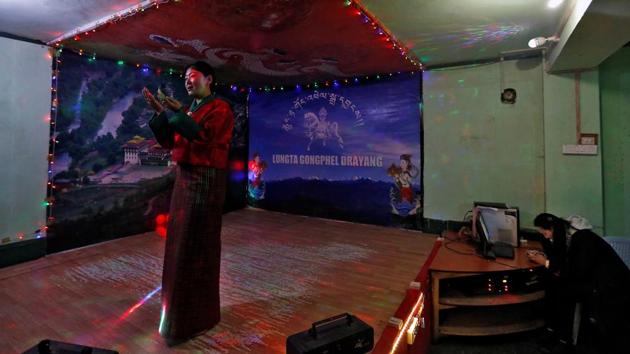
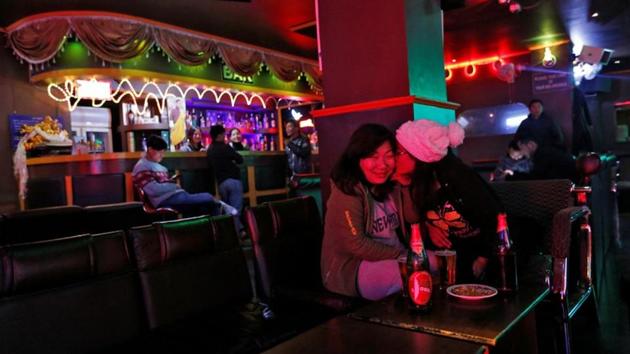
Inside a gaudily lit dance club, guests watch 38-year-old Lhaden sway to songs, usually traditional folk music but occasionally a Bollywood number or two. The divorced mother-of-two, dances until midnight, and like thousands of her compatriots, is struggling to make ends meet. “I’m not happy or sad about things, I have no other choice.” Lhaden, who earns $125 a month said. (Cathal McNaughton / REUTERS)
4/10
 View Photos in a new improved layout
Updated on Jan 19, 2018 12:30 PM
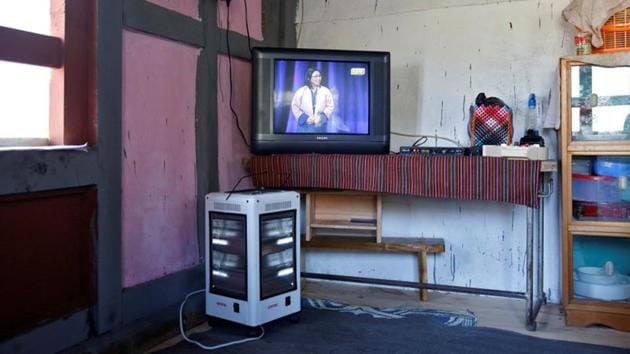
An electric heater and television sit in the corner of a traditional farmhouse in Punakha. Bhutan was one of the last countries usher in television and the internet. In 1999, the then Bhutanese king Jigme Singye Wangchuck said that television was a critical step towards modernization but also warned that its misuse could erode traditional values in the valley nation. (Cathal McNaughton / REUTERS)
5/10
 View Photos in a new improved layout
Updated on Jan 19, 2018 12:30 PM
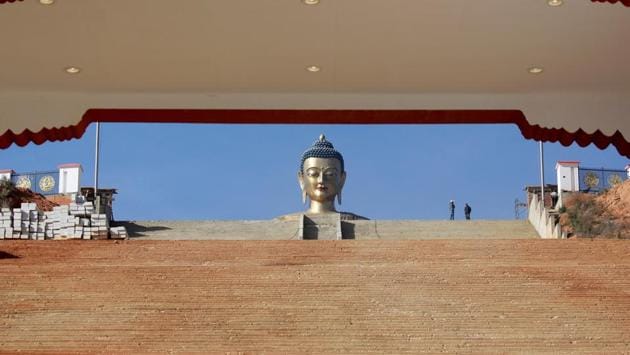
The Buddha Dordenma statue stands in Thimphu. Signs of change are everywhere, pulling the country of snow-capped, jagged mountains, forests, rivers and clean air into the modern world. Smoke billows from construction sites across the country and this giant bronze-and-gold Buddha statue that commands the entry to Thimphu valley now shares space with telecom towers. (Cathal McNaughton / REUTERS)
6/10
 View Photos in a new improved layout
Updated on Jan 19, 2018 12:30 PM
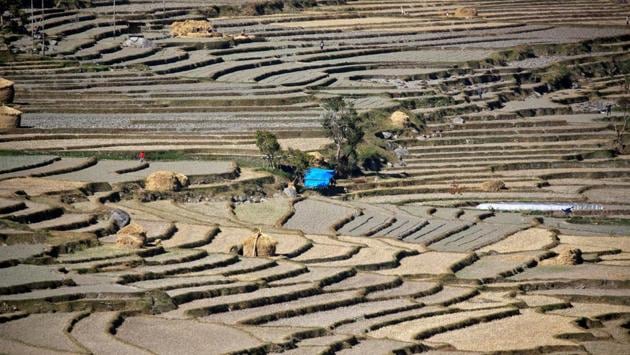
People farm in the Punakha Valley. Bhutan measures its national wealth by a Gross National Happiness index aiming to build a contented, fulfilled society but at the same time finds itself facing the competitive need for development. Its economy is based on agriculture, tourism and sale of hydroelectric power to India and agrarian practices provide for more than 50% of the population. (Cathal McNaughton / REUTERS)
7/10
 View Photos in a new improved layout
Updated on Jan 19, 2018 12:30 PM
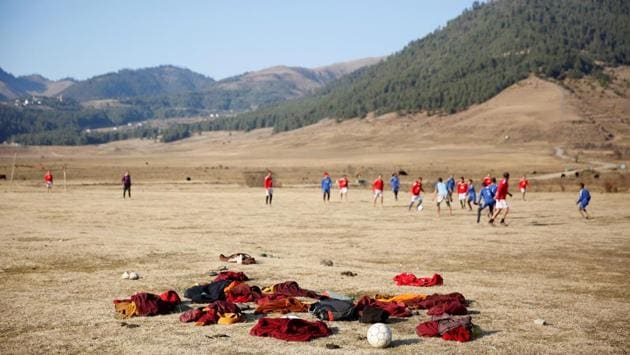
A squad of Buddhist monks has discarded their crimson robes to play football, in Manchester United and Chelsea jerseys. On the streets and even in the countryside, jeans have become as commonplace as the traditional Bhutanese knee-length gho robes for men and the ankle-length kira dresses that women wear. (Cathal McNaughton / REUTERS)
8/10
 View Photos in a new improved layout
Updated on Jan 19, 2018 12:30 PM
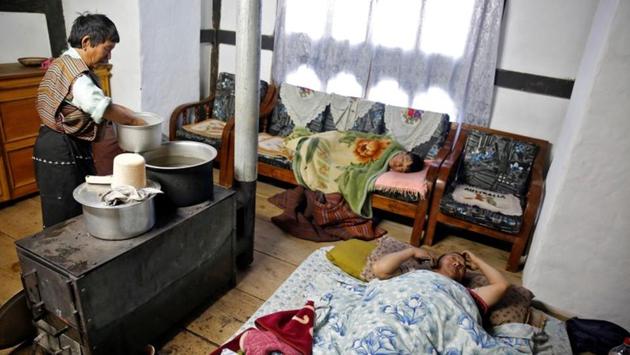
Farmer Ap Daw (R), 43, talks on his mobile phone as his son Sonam Tshering, 13, lies on a couch while his mother Aum Sangay, 68, heats water at their home in the Phobjikha Valley. “Children are spending more time on their mobile phones and not studying,” said Daw who also bemoans the rising mounds of trash by the highway. (Cathal McNaughton / REUTERS)
9/10
 View Photos in a new improved layout
Updated on Jan 19, 2018 12:30 PM
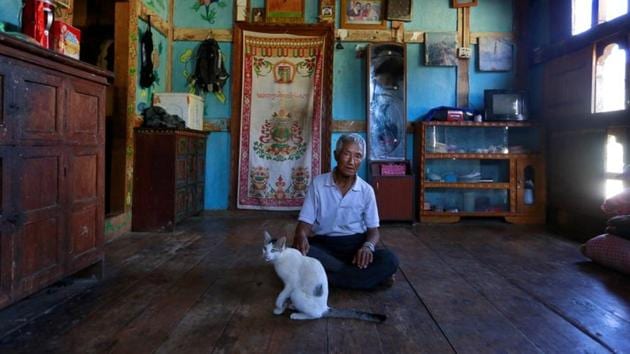
Zeko, 73, poses for a portrait at his home. He says, "I'm happy to have a mobile phone so I can talk to my relatives and children any time I want.” Mobile phones and TV sets are now commonplace even in the Phobjikha Valley, a tourist haven about seven hours’ drive from Thimphu and home to Bhutan’s famed black-necked cranes. (Cathal McNaughton / REUTERS)
10/10
 View Photos in a new improved layout
Updated on Jan 19, 2018 12:30 PM


