
 E-Paper



Photos: Flower town’s shift to pot creates stink in California
The picturesque coastal town of Carpinteria in Santa Barbara County, population 14,000, is an area famous for its beaches, wine and temperate climate –a scene out of a Southern California postcard. Residents say they feel lucky to live in what they consider a slice of paradise. But change is in the air, and sometimes, they say, it stinks. That’s because marijuana has become a new crop of choice in the farmlands surrounding this tight-knit community which has long helped fuel the US cut flower industry.
Updated on: May 17, 2018 12:24 PM IST

Share via


Copy link

1/10
 View Photos in a new improved layout
Updated on May 17, 2018 12:24 PM
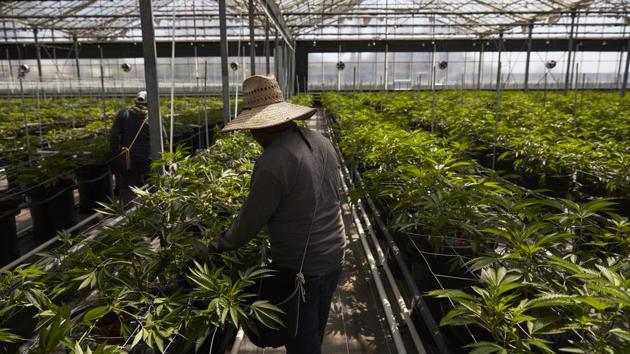
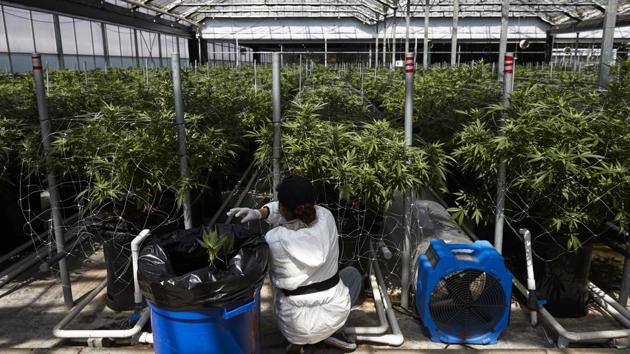
Workers in a greenhouse growing cannabis at Glass House Farms in Carpinteria, California. About 137 kilometers northwest of Los Angeles, Carpinteria is located on the bottom of Santa Barbara County, a tourist area famous for its beaches, wine and temperate climate. It’s also gaining notoriety as a haven for cannabis growers. (Jae C. Hong / AP)
2/10
 View Photos in a new improved layout
Updated on May 17, 2018 12:24 PM
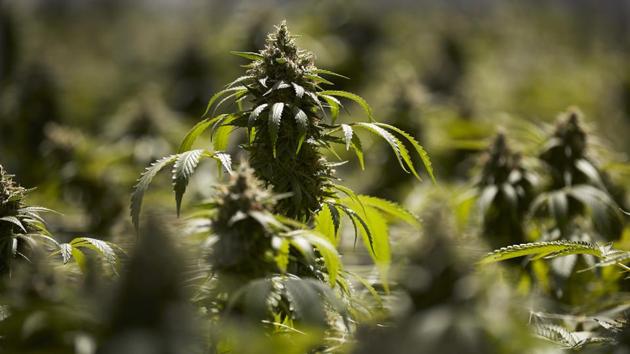
Mature cannabis plants are seen in a greenhouse at Glass House Farms. The county amassed the largest number of marijuana cultivation licenses in California since broad legalization arrived on January 1, nearly 800, according to state data compiled by The Associated Press. (Jae C. Hong / AP)
3/10
 View Photos in a new improved layout
Updated on May 17, 2018 12:24 PM
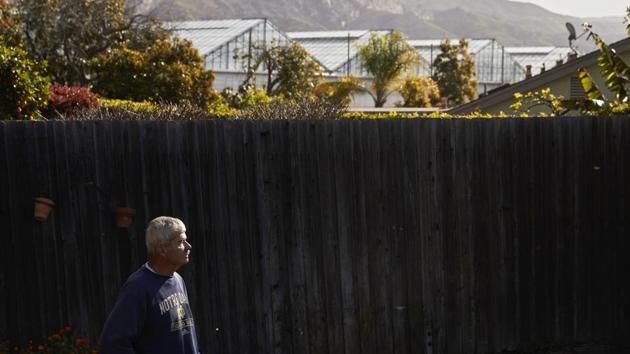
Residents say a thick, skunk-like odour from the plants settles over the valley in the evenings and before dawn. They have tried stuffing pillows under doors, lighting incense and shutting windows, a reluctant choice which keeps out the cool ocean breeze, part of the town’s allure. “We want fresh air,” said Xave Saragosa, a retired sheriff’s deputy living near a greenhouse. (Jae C. Hong / AP)
4/10
 View Photos in a new improved layout
Updated on May 17, 2018 12:24 PM
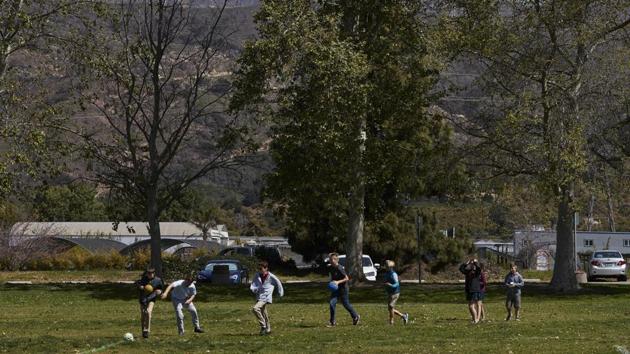
A group of students play outside the Howard School in Carpinteria located near a cannabis farm. The area’s greenhouses have their roots in Carpinteria’s cut flower industry, which was sapped after the US government granted trade preferences to South American countries in the 1990s to encourage their farmers to grow flowers instead of coca, the plant used to make cocaine. (Jae C. Hong / AP)
5/10
 View Photos in a new improved layout
Updated on May 17, 2018 12:24 PM
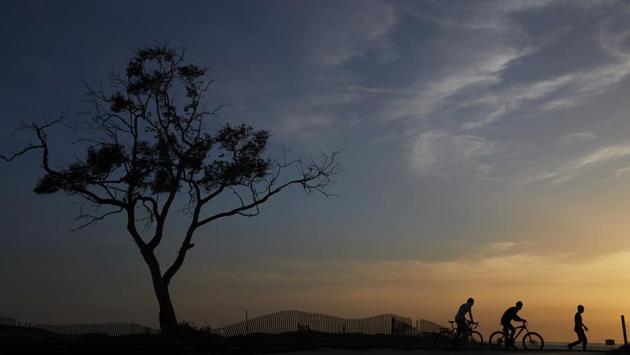
Three boys stroll along the beach in Carpinteria. In an ironic twist, some California flower growers weary of import competition have started trying to grow cannabis, a plant that, like coca, is deemed illicit by the federal government. Others have sold their greenhouses to marijuana investors. (Jae C. Hong / AP)
6/10
 View Photos in a new improved layout
Updated on May 17, 2018 12:24 PM
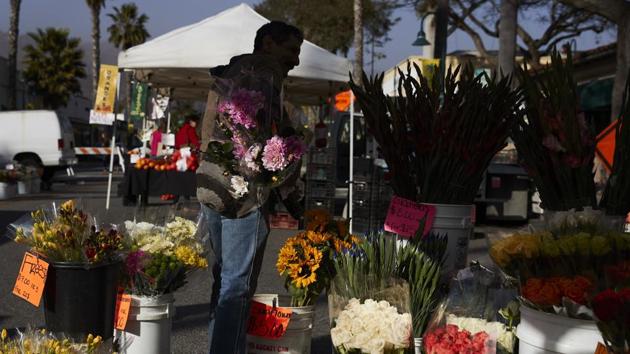
A man buys locally grown flowers at a farmers’ market in Carpinteria. The result is a large number of licenses but small total acreage. Only about 200 acres of the county’s farmland is devoted to marijuana, compared with tens of thousands sown with strawberries and vegetables, said Dennis Bozanich, who oversees the county’s marijuana planning. (Jae C. Hong / AP)
7/10
 View Photos in a new improved layout
Updated on May 17, 2018 12:24 PM
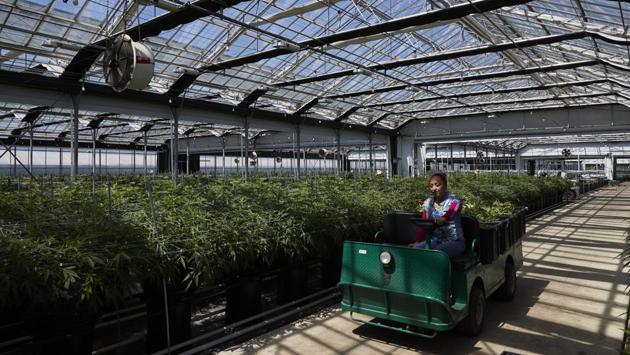
Greenhouses that once produced flowers are seen as ideal for marijuana. In Carpinteria’s climate, the greenhouses heat and cool easily and inexpensively, and the plants thrive. It takes only about three months to grow cannabis in pots of shredded coconut husks, so farmers can get multiple harvests each year. (Jae C. Hong / AP)
8/10
 View Photos in a new improved layout
Updated on May 17, 2018 12:24 PM
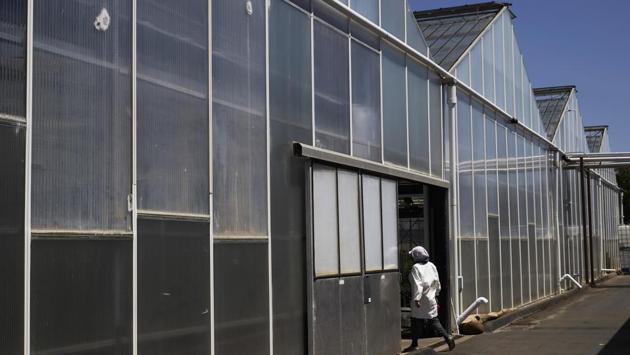
Some farmers see cannabis as a plant that can help preserve the area’s farming culture. “Santa Barbara isn’t like cannabis run amok,” said Jared Ficker, a partner at advocacy group California Strategies who consults with local cannabis growers. “It is actually the most compliant market we’ve seen in the state.” (Jae C. Hong / AP)
9/10
 View Photos in a new improved layout
Updated on May 17, 2018 12:24 PM
A worker picks unnecessary leaves from cannabis plants at Glass House Farms. Some residents said the stench has decreased in recent months as some growers installed systems aimed at reducing the smells. Others said the problem persists. Californians voted to legalize marijuana in 2016, but counties and cities have a say on whether they allow cannabis production, distribution or sales. (Jae C. Hong / AP)
10/10
 View Photos in a new improved layout
Updated on May 17, 2018 12:24 PM


