
 E-Paper



Photos: Her 60th year around the corner, Barbie’s still going strong
In an industry where success is three to five years, Barbie is hot on the heels of milestone 60. In all, more than one billion Barbie dolls have been sold since she made her debut at the American Toy Fair in New York on March 9, 1959. Supposed to teach girls that they had choices and could be anything, Barbie’s pinup proportions brought her decades of criticism for promoting unrealistic standards of beauty until she appeared in avatars representing diversity. A toy store success, Barbie today has a massive social media presence and speaks directly to girls about her life, and important current topics.
Updated on: Jan 04, 2019 10:51 AM IST

Share via


Copy link

1/9
 View Photos in a new improved layout
Updated on Jan 04, 2019 10:51 AM
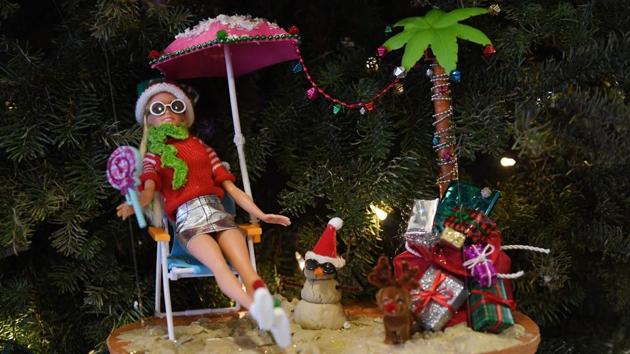
A Barbie doll prototype on display at a workshop in the Mattel design centre, in El Segundo, California. She is turning 60 this year and still doesn’t have a single wrinkle. Blonde or brunette, slender or curvy, black or white, princess or president, Barbie is a forever favourite for young girls, even if she has caused controversy over the years. (Mark Ralston / AFP)
2/9
 View Photos in a new improved layout
Updated on Jan 04, 2019 10:51 AM
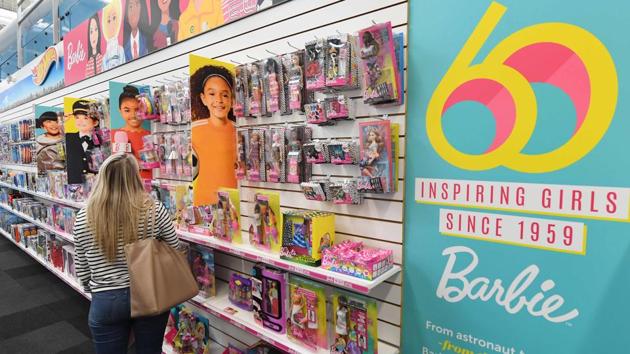
Around the world, Barbie is as recognisable as Coca-Cola or McDonald’s. Despite fierce competition in the toy industry, 58 million Barbies are sold each year in more than 150 countries. In all, more than one billion Barbie dolls have been sold since she made her debut at the American Toy Fair in New York on March 9, 1959. (Mark Ralston / AFP)
3/9
 View Photos in a new improved layout
Updated on Jan 04, 2019 10:51 AM
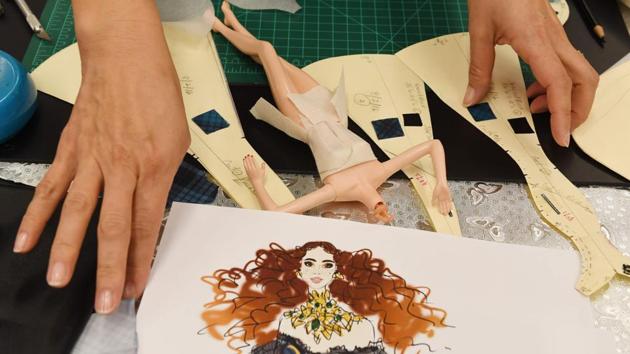
She was invented by Ruth Handler, the co-founder of Mattel, who was inspired by her own children. “Her daughter Barbara was limited in the choices of her toys -- the only ones were baby dolls,” Nathan Baynard, director of global brand marketing for Barbie recounted. “The only role she could imagine through that play was caregiver, mother,” whereas Handler’s son “could imagine being an astronaut, cowboy, pilot, surgeon.” (Mark Ralston / AFP)
4/9
 View Photos in a new improved layout
Updated on Jan 04, 2019 10:51 AM
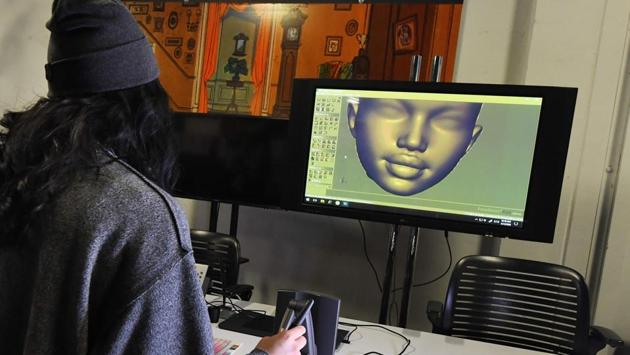
A designer works on a Barbie prototype. Barbie is, of course, a shortened version of Barbara. The doll was supposed to teach girls “that they had choices, that they could be anything. In 1959, it was a radical idea!” Baynard said. Barbie was an instant success. In the first year, 300,000 dolls were sold, he added. (Mark Ralston / AFP)
5/9
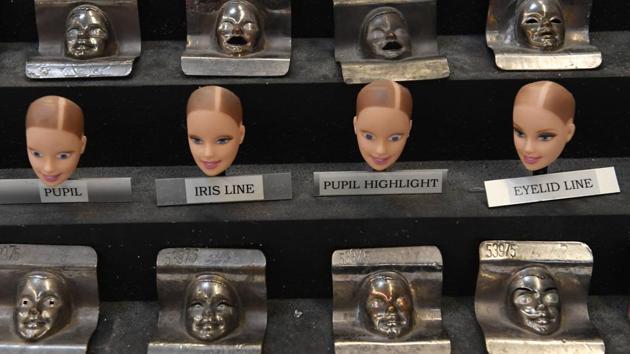 View Photos in a new improved layout
Updated on Jan 04, 2019 10:51 AM
From the start, Barbie’s pinup measurements didn’t immediately seem all that feminist, and would spark criticism for decades to come. “In 1959, her body structure was exaggerated to match the aesthetics of the time and the fabric available,” said Barbie designer Carlyle Nuera. (Mark Ralston / AFP)
6/9
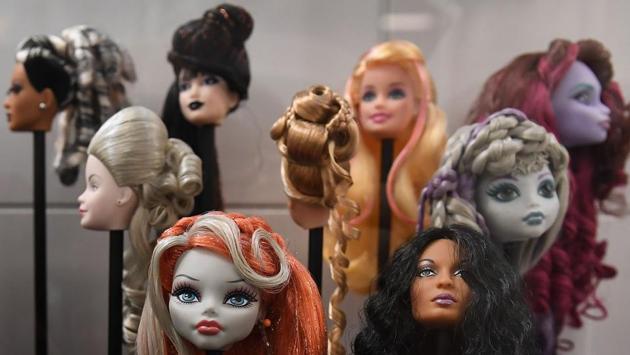 View Photos in a new improved layout
Updated on Jan 04, 2019 10:51 AM
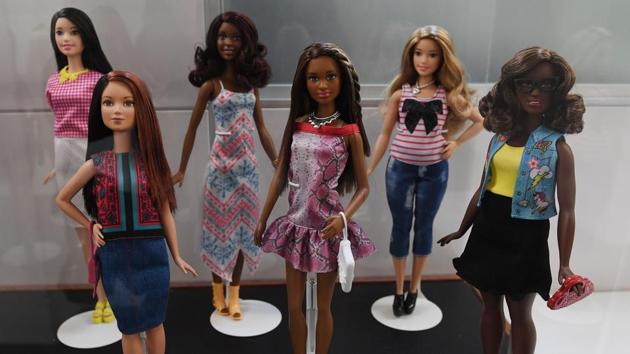
Mattel has since made many changes -- introducing multiple body types and dozens of skin tones. MG Lord, author of “Forever Barbie,” also argued that the original criticisms were unwarranted. “She is what the child wants her to be. How a child sees the Barbie doll is often framed by how the mother of that child feels about the idea of femininity,” Lord told AFP. (Mark Ralston / AFP)
7/9
 View Photos in a new improved layout
Updated on Jan 04, 2019 10:51 AM
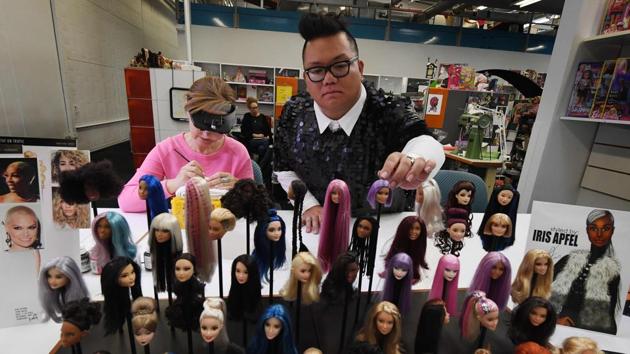
Stylist Carlyle Nuera (R) with Barbie prototype painter Alexandra Stoyan Lopez inspects prototypes at a workshop. In 1965, four years before Neil Armstrong walked on the Moon, Barbie became an astronaut. In 1968, the first black Barbie doll, a friend named Christie, hit store shelves. 55% of the dolls sold around the world have neither blonde hair nor blue eyes. (Mark Ralston / AFP)
8/9
 View Photos in a new improved layout
Updated on Jan 04, 2019 10:51 AM
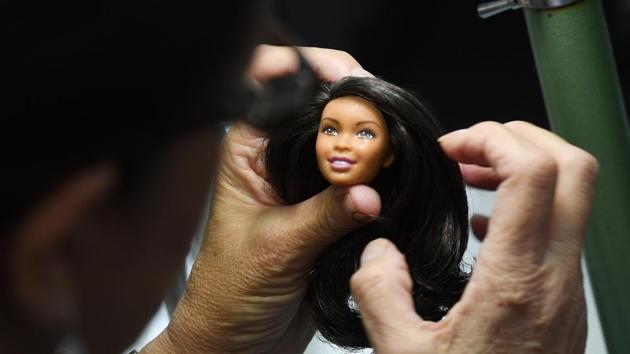
Barbie is not only a toy store success -- she has a massive social media presence, and is something of an “influencer,” with millions of followers. Barbie has a hair stylist, makeup artist and photographer who travel with her “for real” in the United States and abroad for Instagram photo sessions. Her account has nearly two million followers. (Mark Ralston / AFP)
9/9
 View Photos in a new improved layout
Updated on Jan 04, 2019 10:51 AM


