
 E-Paper



Photos: In Argentina, poverty feeds resurgence of tuberculosis
Cases of the "white death" illness, closely linked to malnutrition and poor housing, have been on the rise since the turn of the decade as Latin America's third largest economy has been battered by repeat recessions and inflation. Currently, fast-rising prices and recession are driving more people below the poverty line and stoking homelessness and hunger. The poverty rate stood at above 35% in the first half of the year, hurting Argentine President Mauricio Macri, who is expected to lose the general elections this Sunday.
Updated on: Oct 27, 2019 3:45 PM IST

Share via


Copy link

1/13
 View Photos in a new improved layout
Updated on Oct 27, 2019 3:45 PM
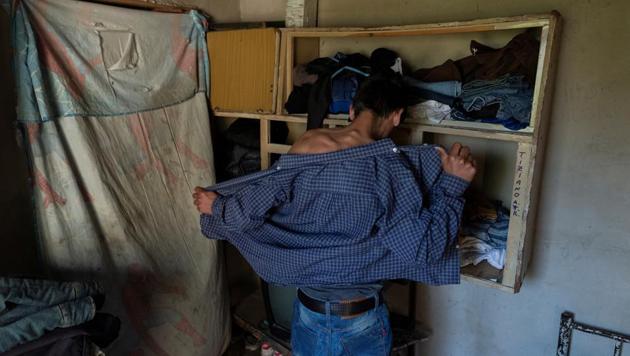
Cristian Molina, 26, prepares to go to church in Buenos Aires, Argentina. In a poor Buenos Aires suburb, Molina’s jeans and denim jacket hide his unhealthily slight frame, his legacy from years of a poor diet that left him susceptible to the tuberculosis infection he contracted earlier this year, a disease of poverty that is making a comeback in Argentina. (Magali Druscovich / REUTERS)
2/13
 View Photos in a new improved layout
Updated on Oct 27, 2019 3:45 PM
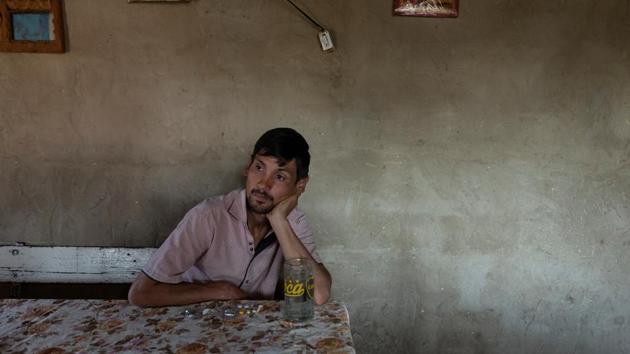
Cristian Molina, takes his tuberculosis medication at his house in the shantytown of Lujan in Buenos Aires. Molina is prescribed to take 11 tablets per day, seven in the morning and four in the afternoon, which often give him a stomachache. He contracted tuberculosis earlier this year. (Magali Druscovich / REUTERS)
3/13
 View Photos in a new improved layout
Updated on Oct 27, 2019 3:45 PM
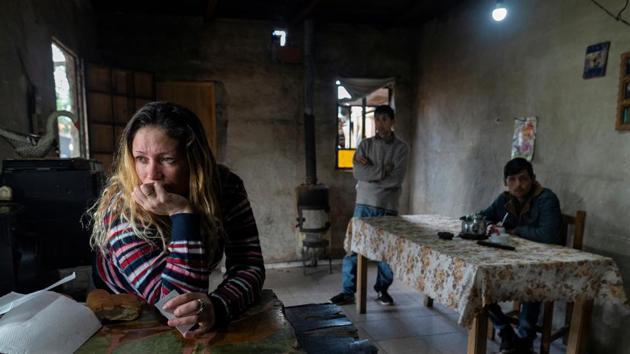
Cristian Molina (R), 26, drinks a cup of mate with his siblings Xoana (L) and Manuel in the shantytown of Lujan. He shares living spaces with his parents, six siblings and four nephews. Doctors think one brother contracted the disease in prison before spreading it around the family when he returned home. (Magali Druscovich / REUTERS)
4/13
 View Photos in a new improved layout
Updated on Oct 27, 2019 3:45 PM
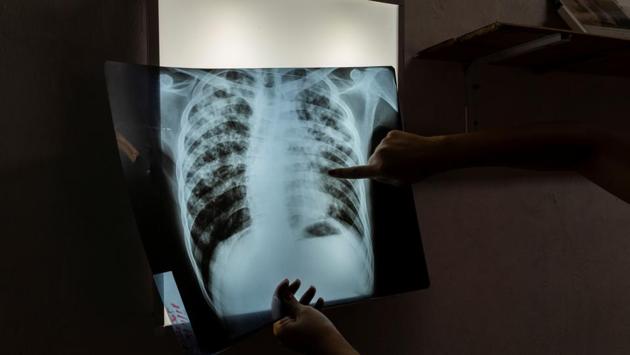
Mariela, an infectious disease specialist intern, analyses an X-ray of 24-year-old patient Jorge, who is currently undergoing treatment for tuberculosis. According to the latest figures from the WHO, there were 10,320 reports of new and relapsed TB cases in Argentina last year. The number of cases, which had dropped steadily since the 1980s, started to rise again after around 2010. (Magali Druscovich / REUTERS)
5/13
 View Photos in a new improved layout
Updated on Oct 27, 2019 3:45 PM
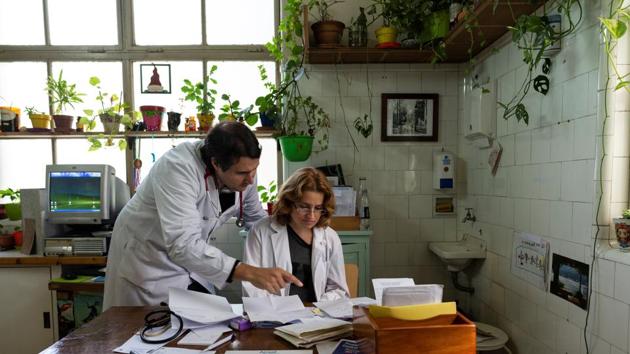
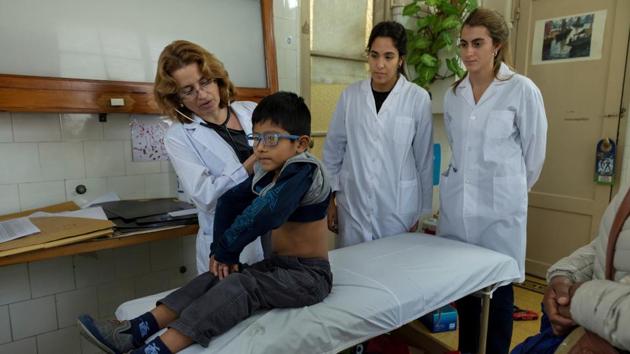
Dr. Laura Lagrutta (R) and Dr. Nicolas Castiglioni, both pulmonologists, who specialise in children with tuberculosis, talk inside Lagrutta's consultation room at Dr. Raul Vaccarezza Institute in Buenos Aires. "Tuberculosis is the collateral damage of poverty," said Lagrutta. (Magali Druscovich / REUTERS)
6/13
 View Photos in a new improved layout
Updated on Oct 27, 2019 3:45 PM
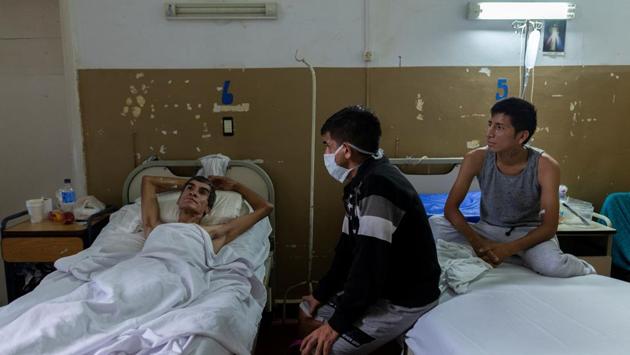
Lucas (C), 24, a former tuberculosis patient, visits patients Jorge (L), 40, and Arturo Maldonado, 25, who have both been hospitalised for tuberculosis in Muniz public hospital in Buenos Aires. Farm-rich Argentina is still better off than some of its South American neighbors, including Brazil and Peru where incidence of the disease is higher. But the infection rate in Argentina is rising worrisomely. (Magali Druscovich / REUTERS)
7/13
 View Photos in a new improved layout
Updated on Oct 27, 2019 3:45 PM
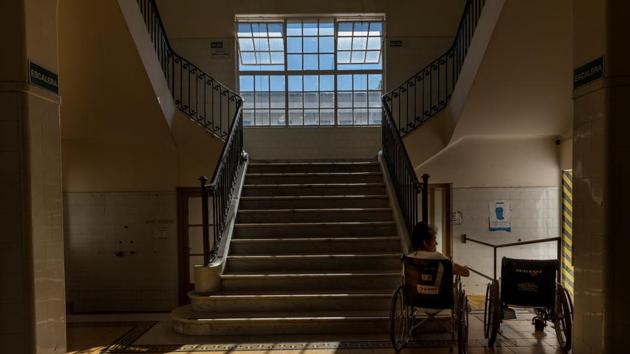
A patient gets some fresh air in the hallway of Koch Pavilion, a hospital unit exclusively used by TB patients at the Muniz public hospital. Tuberculosis kills 5,000 people every day globally and is one of the world’s biggest killers. Marcela Natiello, coordinator of the national TB and leprosy control program, said a declining trend since the 1980s had reversed in 2013, linked to “multiple and complex causes.” (Magali Druscovich / REUTERS)
8/13
 View Photos in a new improved layout
Updated on Oct 27, 2019 3:45 PM
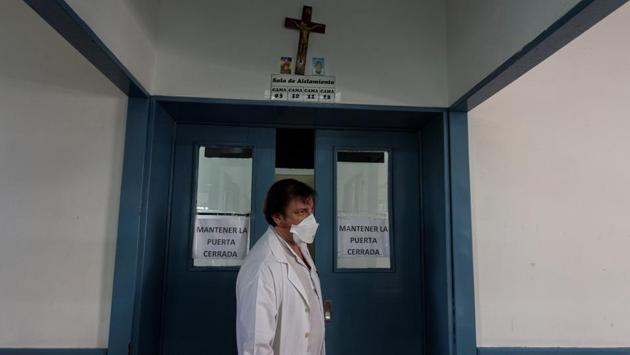
Dr. Decarolis, who specialises in patients with HIV and tuberculosis, visits patients that have been hospitalised in isolation. Doctors said the rise was straining some hospital wards where patients with TB are being treated. Patricia Figueroa, a social worker at the Muniz public hospital, said the facility was struggling with overcrowding, which she described as “a record in recent history.” (Magali Druscovich / REUTERS)
9/13
 View Photos in a new improved layout
Updated on Oct 27, 2019 3:45 PM
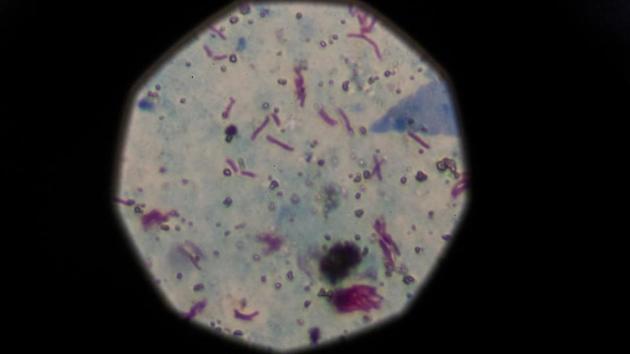
A sample that tested positive for tuberculosis is seen from a microscope. “Due to overcrowding, the hospital is discharging patients with low risk of contagion in order to receive high-risk ones, something very dangerous,” Figueroa said, adding that the hospital was looking at how to add more beds to other wards to accept more people. (Magali Druscovich / REUTERS)
10/13
 View Photos in a new improved layout
Updated on Oct 27, 2019 3:45 PM
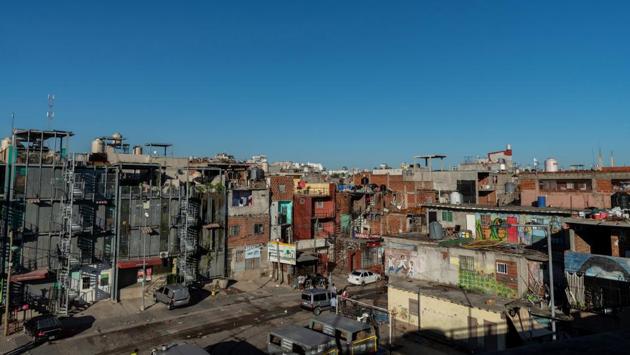
A view of Villa 31, a populous and marginalised shantytown neighbourhood in Buenos Aires. In slums around the country Reuters spoke to many people with the disease, who all described living in cramped and insecure housing and lacking an ample supply of nutritious food. (Magali Druscovich / REUTERS)
11/13
 View Photos in a new improved layout
Updated on Oct 27, 2019 3:45 PM
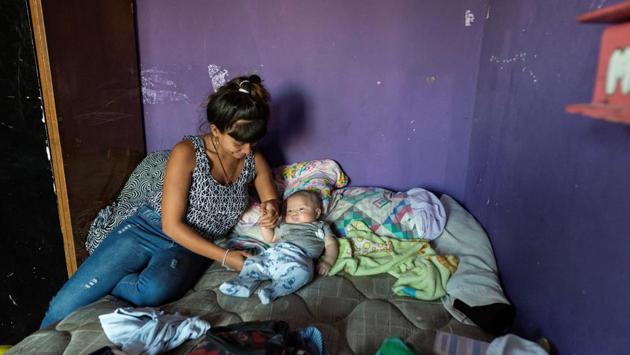
Luli, 19, plays with her son at her home in Villa 31. Luli has gone through a year of treatment since contracting the disease while she was pregnant. She says her baby luckily did not get infected. She lives in a flat with one bedroom, a kitchen and no bathroom, with her son and partner. "We are constantly moving from one house to another because of the high price of the rent," she said. (Magali Druscovich / REUTERS)
12/13
 View Photos in a new improved layout
Updated on Oct 27, 2019 3:45 PM
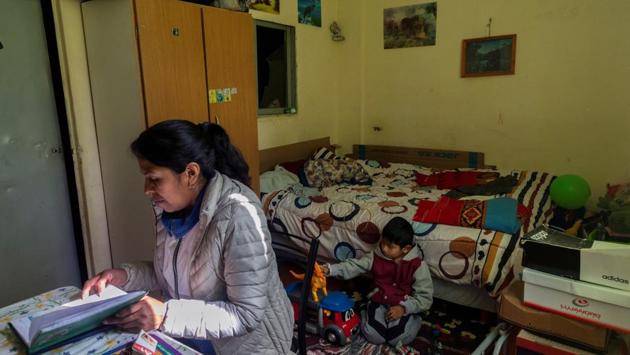
Brigida Simaniz checks the homework of her son Nicolas, 7, in her apartment in the shantytown of Bajo Flores in Buenos Aires. Brigida Simaniz finished her TB treatment earlier this year in May. She works in a textile workshop on 70 pesos ($1.19) an hour and lives with her two children, all three sharing the same bed. Her fear was passing the infection to her kids. (Magali Druscovich / REUTERS)
13/13
 View Photos in a new improved layout
Updated on Oct 27, 2019 3:45 PM


