
 E-Paper



Photos: In South Sudan ghost town, peace deal doesn’t guarantee safety
In South Sudan, a peace agreement was signed last week between South Sudan’s President Salva Kiir and rebel groups to end a five-year civil war that has killed at least 50,000 and displaced 12 million people. But residents who once fled Malakal, the once merchant hub turned ghost-town are fearful of returning to old lives and homes. Malakal has been site of numerous battles between government SPLA-forces and rebel groups. In the ensuing chaos, many abandoned homes have been taken over by squatters and the risk of violence beyond the UN camp nearby holds citizens back.
Updated on: Sep 17, 2018 9:47 AM IST

Share via


Copy link

1/11
 View Photos in a new improved layout
Updated on Sep 17, 2018 9:47 AM
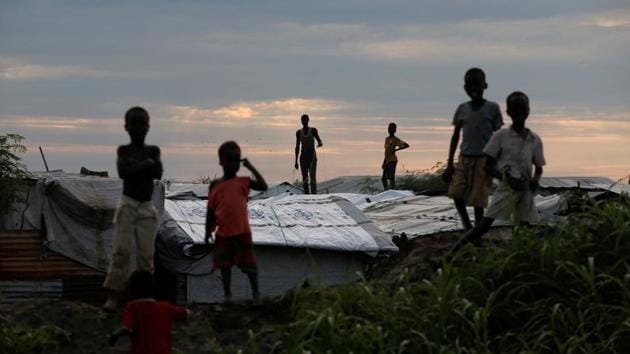
Internally displaced people (IDPs) stand on roofs in the Protection of Civilians (POC) Camp, run by the UN Mission in South Sudan near Malakal. South Sudan’s President Salva Kiir and rebel groups may well have signed a peace agreement on Wednesday to end a civil war that has killed at least 50,000, but those who have fled the country’s second largest city, a merchant hub turned ghost town, remain fearful of going back. (Baz Ratner / REUTERS)
2/11
 View Photos in a new improved layout
Updated on Sep 17, 2018 9:47 AM
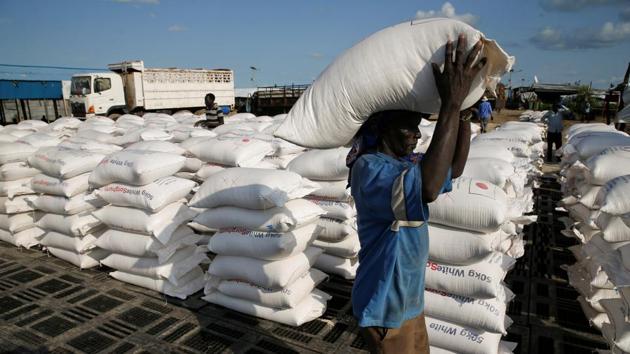
A man carries sacks of food aid for distribution to IDPs in the POC Camp. Josephine Adiemis, who lives with her family of eight in the camp, does not believe it is safe yet to go back home. Squatters may have sneaked into her house amid the chaos, the 42-year-old said. (Baz Ratner / REUTERS)
3/11
 View Photos in a new improved layout
Updated on Sep 17, 2018 9:47 AM
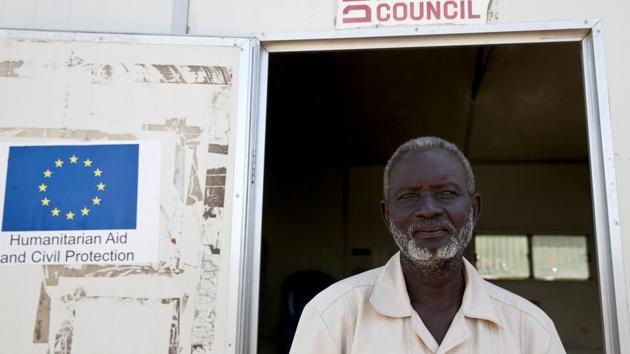
Simon Pakuang ran away from his village because the fighting killed so many people. The 63-year-old now lives in the camp alongside some 25,000 people. Violence flared up in the area in 2015. South Sudan had plunged into war in 2013, two years after independence from Sudan, when a political dispute between Kiir and then vice-president Riek Machar erupted into armed confrontation. (Baz Ratner / REUTERS)
4/11
 View Photos in a new improved layout
Updated on Sep 17, 2018 9:47 AM
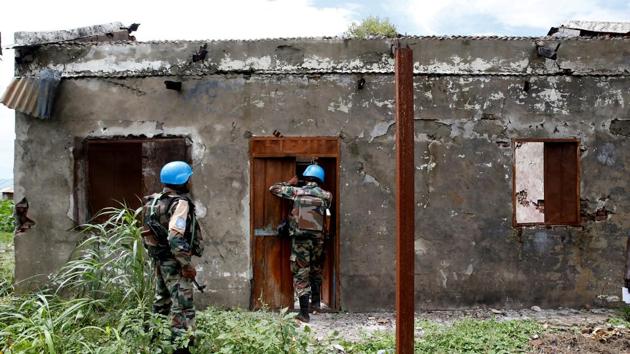
Indian army peacekeepers with UNMISS (UN Mission in South Sudan) look inside a health clinic destroyed by fighting in the village of Wau Shilluk. In total, an estimated quarter of South Sudan’s population of 12 million has been displaced and its economy, which heavily relies on crude oil production, ruined. (Baz Ratner / REUTERS)
5/11
 View Photos in a new improved layout
Updated on Sep 17, 2018 9:47 AM
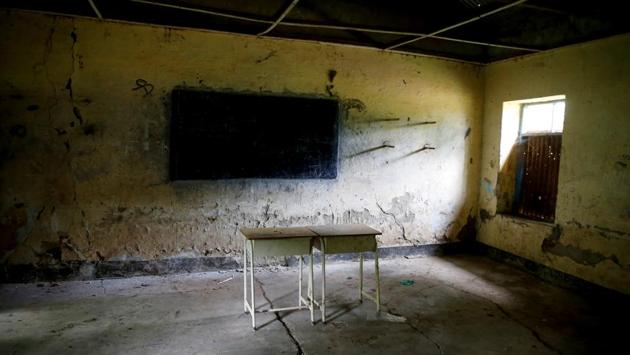
In Malakal, a former hub for goods shipped to neighbouring Sudan, tables lie in abandoned schools, damaged Qurans can be seen in abandoned mosques, and cars rot in fields. (Baz Ratner / REUTERS)
6/11
 View Photos in a new improved layout
Updated on Sep 17, 2018 9:47 AM
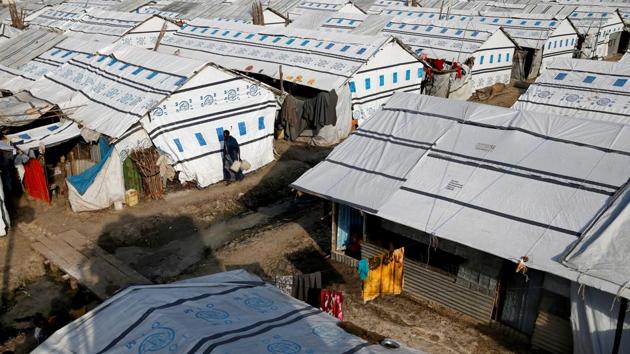
The UN camp was meant to be temporary, said Hazel de Wet, who runs the UN mission in Malakal’s Upper Nile region. She is cautiously optimistic about peace prospects in the area. But before people return from the camp to their homes in Malakal and the surrounding villages, security challenges must be addressed, she said. (Baz Ratner / REUTERS)
7/11
 View Photos in a new improved layout
Updated on Sep 17, 2018 9:47 AM
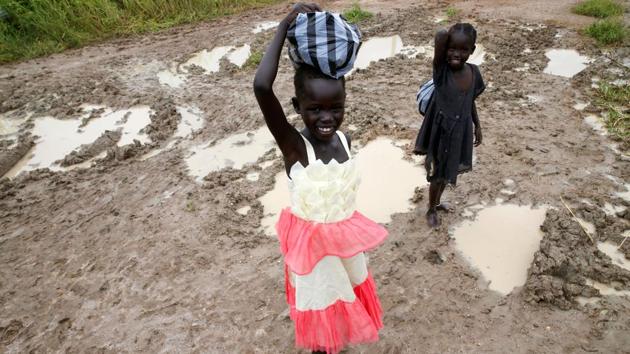
South Sudanese girls walk in Malakal. Peter Aban Amon, minister of information in the Upper Nile region, said he was encouraging people to go back home. “Malakal is well managed by the government, which is now functioning,” he said, adding that the city had already seen a slight population growth over the past two years. (Baz Ratner / REUTERS)
8/11
 View Photos in a new improved layout
Updated on Sep 17, 2018 9:47 AM
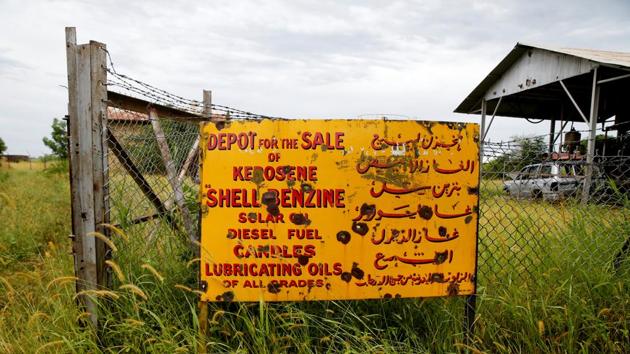
Bullet holes are seen in an abandoned fuel depot sign in Malakal. However, a glance at the area suggests that most people still prefer the security offered by the heavily guarded UN camp. (Baz Ratner / REUTERS)
9/11
 View Photos in a new improved layout
Updated on Sep 17, 2018 9:47 AM
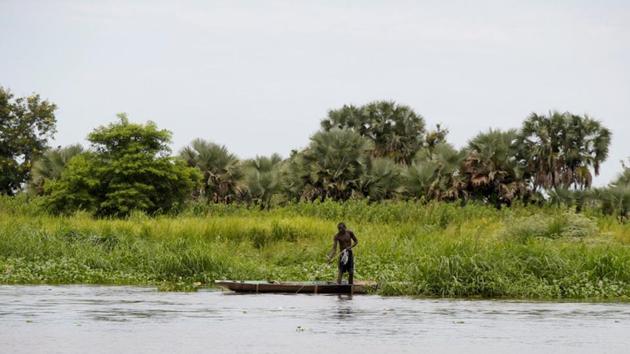
A man fishes on the white Nile near Malakal. The UN camp’s market is bustling while Malakal’s previously busy market is eerily quiet. Fish caught from the Nile are taken directly to the UN market, not the city’s. (Baz Ratner / REUTERS)
10/11
 View Photos in a new improved layout
Updated on Sep 17, 2018 9:47 AM
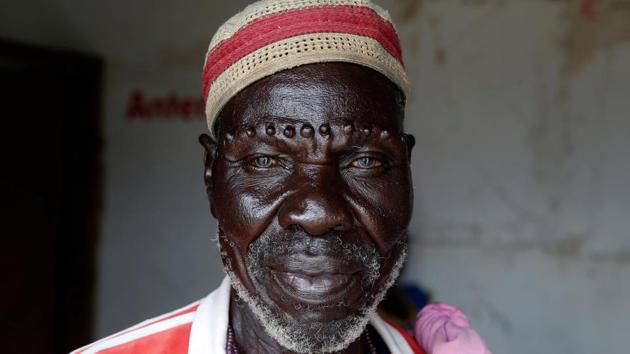
A man waits at a medical clinic in Wau Shilluk. Malakal has been site of numerous battles between government SPLA-forces and rebel groups. It has changed hands many times and has been almost completely destroyed in the process. (Baz Ratner / REUTERS)
11/11
 View Photos in a new improved layout
Updated on Sep 17, 2018 9:47 AM


