
 E-Paper



Photos: Iraq turns to ecotourism to save marshes between Euprates and Tigris
Thirty years after Saddam Hussein starved them of water, Iraq's southern marshes are blossoming once more thanks to a wave of ecotourists picnicking and paddling down their replenished river bends. A one-room home made of elaborately woven palm reeds floats on the river surface. Near it, a soft plume of smoke curls up from a firepit where carp is being grilled, Iraqi-style. A few canoes drift by, carrying couples and groups of friends singing to the beat of drums.
Updated on: May 28, 2019 10:35 AM IST

Share via


Copy link

1/10
 View Photos in a new improved layout
Updated on May 28, 2019 10:35 AM
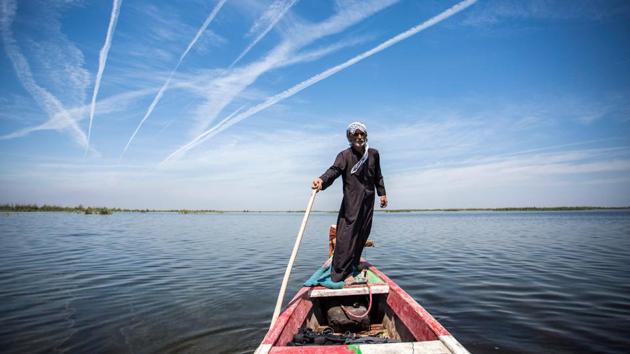
Abu Hayder, an ecotourism guide, navigates a canoe in the marshes of Chibayish in Iraq. “I didn’t think I would find somewhere so beautiful, and such a body of water in Iraq,” said Habib al-Jurani. He left Iraq in 1990 for the United States, and was back for a family visit. Looking around the lush marshes, declared in 2016 to be Iraq’s fifth UNESCO World Heritage site, Jurani added: “There are some mesmerising places.” (Hussein Faleh / AFP)
2/10
 View Photos in a new improved layout
Updated on May 28, 2019 10:35 AM
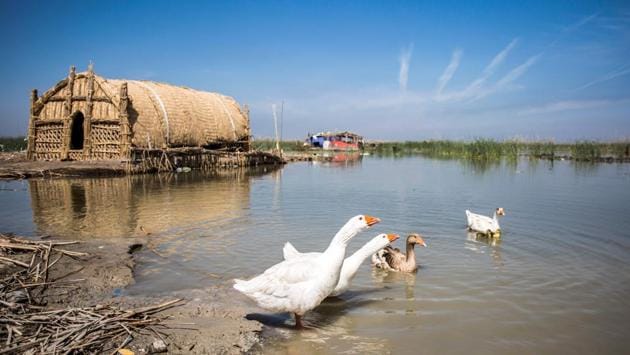
Geese swim in the marshes. Straddling Iraq’s Tigris and Euphrates rivers, the Mesopotamian marshes are a rare aquatic ecosystem in a country covered nearly half in cracked desert. Legend has it, they were home to the biblical Garden of Eden. But they were also a haven for political opposition to Saddam Hussein, who cut off water to the site in retaliation for the south’s uprising against him in 1991. (Hussein Faleh / AFP)
3/10
 View Photos in a new improved layout
Updated on May 28, 2019 10:35 AM
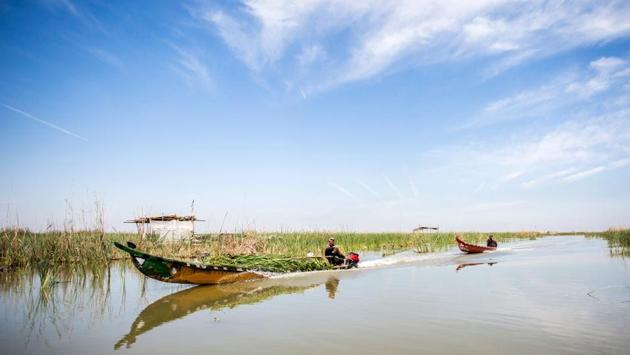
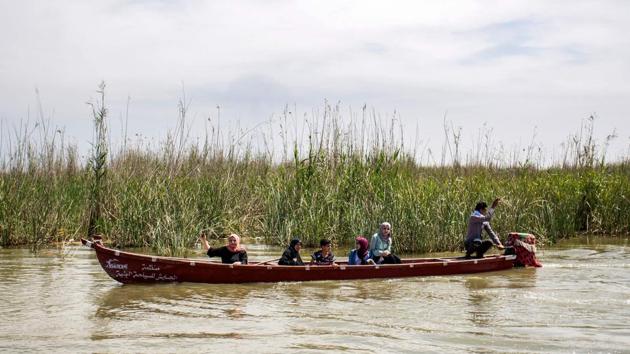
Iraqi marsh-dwellers navigate their canoes in the marshes. Around 90% of the once-expansive marshes were drained, and the area’s 250,000 residents dwindled down to just 30,000. In the ensuing years, severe droughts and decreased water flows from the twin rivers’ source countries -- Turkey and Iran -- shrunk the marshes’ from some 15,000 square kilometres to less than half that. (Hussein Faleh / AFP)
4/10
 View Photos in a new improved layout
Updated on May 28, 2019 10:35 AM
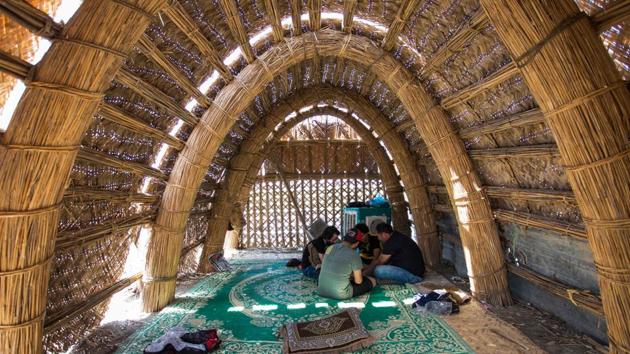
Tourists sit inside a floating palm reed-woven house in the marshes. It all culminated with a particularly dry winter last year that left the “ahwar”, as they are known in Arabic, painfully parched. But heavier rains this year have filled more than 80% of the marshes’ surface, according to the UN, compared to just 27% last year. That has resurrected the ancient lifestyle that dominated this area for more than 5,000 years. (Hussein Faleh / AFP)
5/10
 View Photos in a new improved layout
Updated on May 28, 2019 10:35 AM
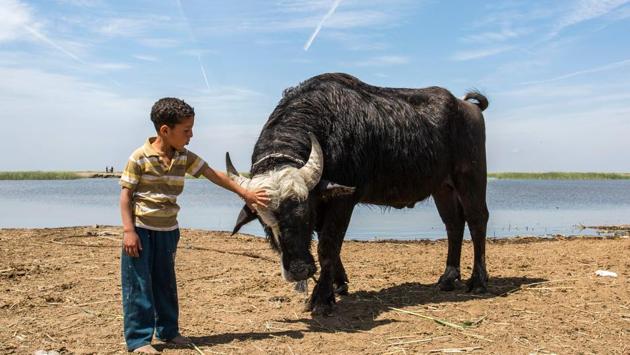
A boy pets cattle by the marshes. “The water returned, and with it normal life,” said 35-year-old Mehdi al-Mayali, who raises water buffalo and sells their milk, used to make rich cream served at Iraqi breakfasts. Wildlife including the vulnerable smooth-coated otter, Euphrates softshell turtles, and Basra reed warbler have returned to the marshlands -- along with the pickiest of all species: tourists. (Hussein Faleh / AFP)
6/10
 View Photos in a new improved layout
Updated on May 28, 2019 10:35 AM
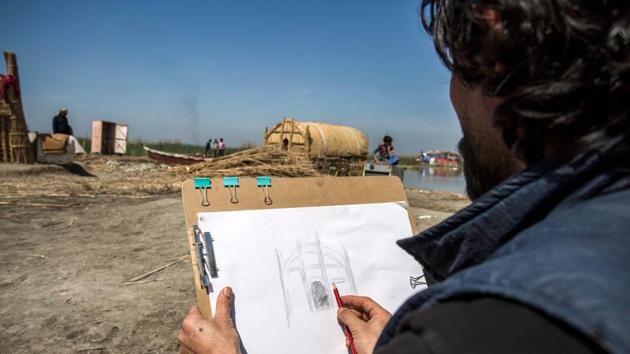
A tourist sketches a drawing of a palm reed-woven house. “Ecotourism has revived the ‘ahwar’. There are Iraqis from different provinces and some foreigners,” Mayali said. A day in the marshes typically involves hiring a resident to paddle a large reed raft down the river for around $25 -- not a cheap fare for Iraq. Then, lunch in a “mudhif” or guesthouse, also run by locals. (Hussein Faleh / AFP)
7/10
 View Photos in a new improved layout
Updated on May 28, 2019 10:35 AM
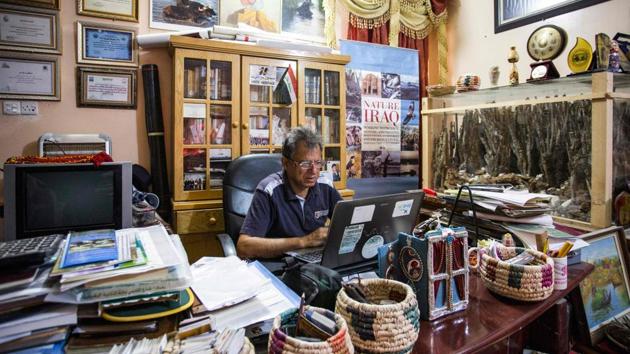
“Ecotourism is an important source of revenue for those native to the marshes,” said Jassim al-Assadi, who heads Nature Iraq. The environmental activist group has long advocated for the marshes to be better protected and for authorities to develop a long-term ecotourism plan for the area. “It’s a much more sustainable activity than the hydrocarbon and petroleum industry,” said Assadi. (Hussein Faleh / AFP)
8/10
 View Photos in a new improved layout
Updated on May 28, 2019 10:35 AM
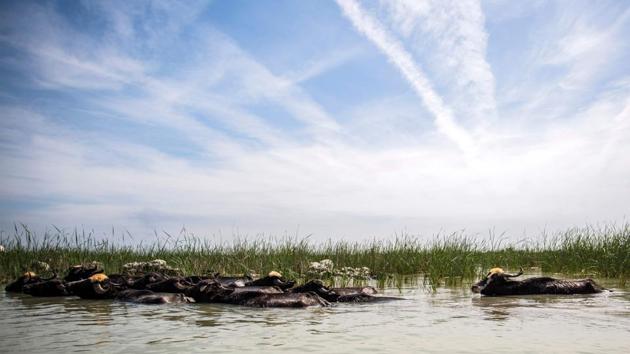
The numbers have steadily gone up in recent years, according to Assaad al-Qarghouli, tourism chief in Iraq’s southern province of Dhi Qar. “We had 10,000 tourists in 2016, then 12,000 in 2017 and 18,000 in 2018,” he told AFP. But there is virtually no infrastructure. “There are no tourist centres or hotels, because the state budget was sucked up by war the last few years,” Qarghouli said. (Hussein Faleh / AFP)
9/10
 View Photos in a new improved layout
Updated on May 28, 2019 10:35 AM
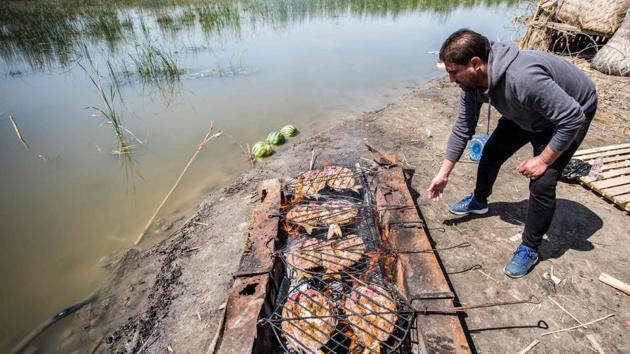
An Iraqi tourist grills fish by the marshes. Iraq’s government declared victory in late 2017 and has slowly begun reallocating resources to infrastructure projects. Qarghouli said the marshes should be a priority, and called on the government to build “a hotel complex and touristic eco-village inside the marshes.” (Hussein Faleh / AFP)
10/10
 View Photos in a new improved layout
Updated on May 28, 2019 10:35 AM


