
 E-Paper



Photos: Labelled ghettos, Denmark’s immigrant communities feel stigmatised
Denmark is the only country to formally classify certain residential zones as ghettos. An area fits into the category if more than half of its inhabitants originate from non-Western countries and it also matches other criteria, such as unemployment exceeding 40%. The country has struggled for decades with integrating its immigrant population into the welfare state and while the government has plans of eliminating ghettos by 2030, residents in these areas feel the current setup stigmatizes and alienates them from the mainstream.
Updated on: May 31, 2018 9:52 AM IST

Share via


Copy link

1/10
 View Photos in a new improved layout
Updated on May 31, 2018 9:52 AM
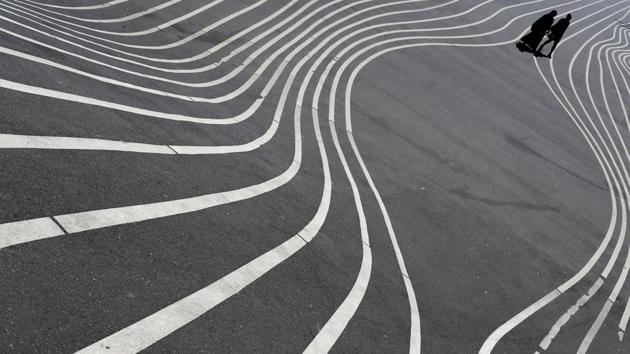
Residents walk over a landscape feature in Superkilen, a park designed as part of an urban design renewal scheme that runs along Mjolnerparken, a housing estate that features on the Danish government’s “Ghetto List”, in Copenhagen, Denmark. In the urban areas of Denmark officially designated as ghettos, residents say they feel stigmatised and excluded from mainstream society. (Andrew Kelly / REUTERS)
2/10
 View Photos in a new improved layout
Updated on May 31, 2018 9:52 AM
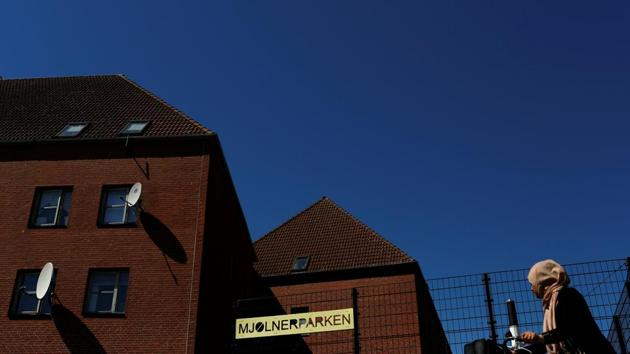
A woman rides by Mjolnerparken. Denmark is the only country to formally classify certain residential zones as ghettos. An area fits into the category if more than half of its inhabitants originate from non-Western countries and it also matches certain other criteria, such as unemployment exceeding 40%. (Andrew Kelly / REUTERS)
3/10
 View Photos in a new improved layout
Updated on May 31, 2018 9:52 AM
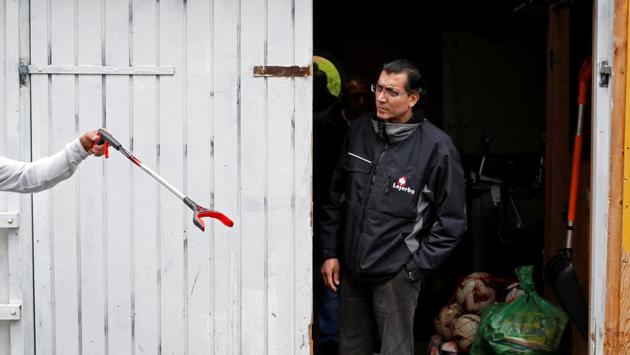
“When journalists come here I want to talk about the good things, but they’re not interested. They are interested in gangs, conflict and ghettos. It saddens me,” said Salim El-Chahabi, a Palestinian who came to Denmark in 1999 and works as a youth job coordinator in the Copenhagen ghetto of Mjolnerparken. (Andrew Kelly / REUTERS)
4/10
 View Photos in a new improved layout
Updated on May 31, 2018 9:52 AM
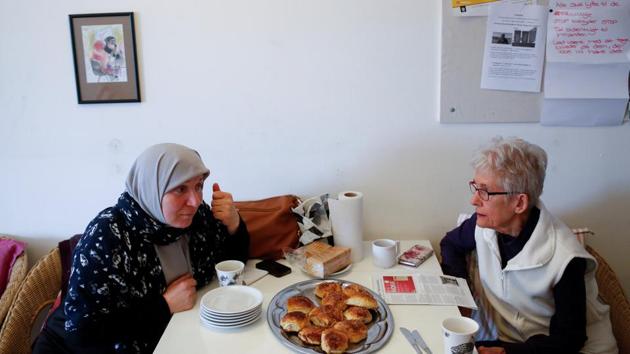
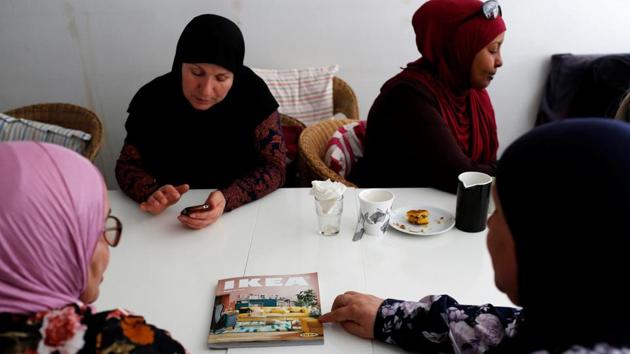
Palestinian Amnah Hamad (L), having lived in Denmark for 30 years, learns to speak Danish from Anni Olsen who volunteers to teach Danish to immigrants. Denmark has struggled integrating immigrants into its welfare state. Public debate intensified in 2015 with the arrival of large groups from conflicts in the Middle East and North Africa. (Andrew Kelly / REUTERS)
5/10
 View Photos in a new improved layout
Updated on May 31, 2018 9:52 AM
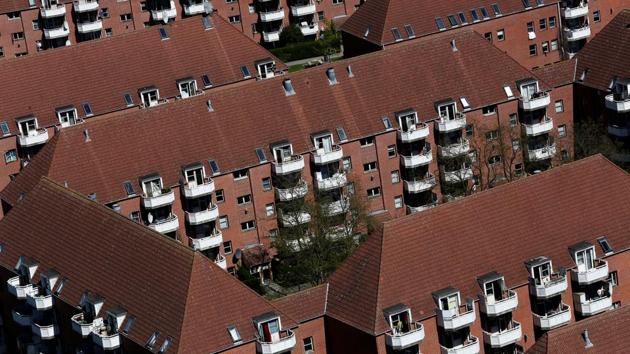
Blocks of houses are seen in Mjolnerparken. Prime Minister Lars Lokke Rasmussen’s plan aimed at boosting integration and eliminating ghettos by 2030 includes measures like banning criminals from moving into the areas, giving double punishment for crimes committed in ghettos, and demolishing then rebuilding parts of the zones. (Andrew Kelly / REUTERS)
6/10
 View Photos in a new improved layout
Updated on May 31, 2018 9:52 AM
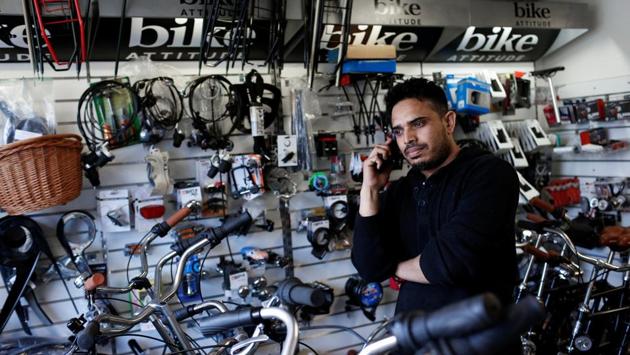
John Khan, originally from Pakistan and now a resident in Mjolnerparken, takes a telephone call in his bicycle shop, Alaska Cykler in Copenhagen. The plan has met with a mixed response in Mjolnerparken, one of the country’s 25 ghettos - a term that originated in 16th-century Venice and was used to describe areas of the city to which Jews were restricted. (Andrew Kelly / REUTERS)
7/10
 View Photos in a new improved layout
Updated on May 31, 2018 9:52 AM
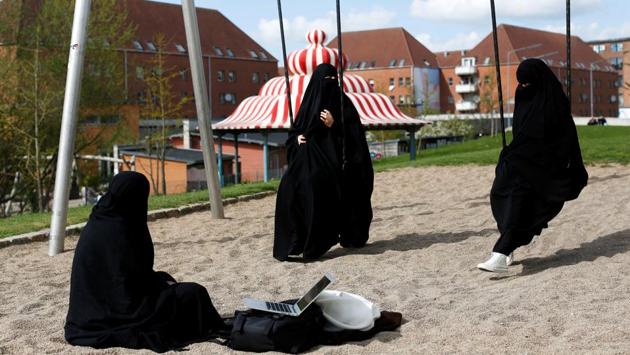
Zaynab (C) a Mjolnerparken resident, sits with her friends Amira and Sabrina in Superkilen. Some Mjolnerparken residents say the government drive could improve communities by reducing crime and boosting job prospects, but others fear it will simply entrench divisions by creating a parallel society where different rules apply. (Andrew Kelly / REUTERS)
8/10
 View Photos in a new improved layout
Updated on May 31, 2018 9:52 AM
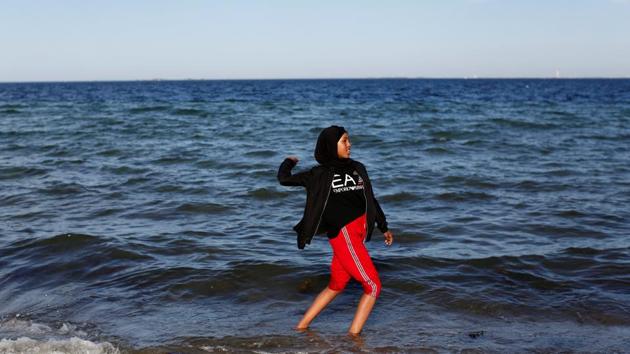
Ibtisam Ashur, plays during an excursion to the seaside with “Sjakket”, a youth group that provides activities and support for children that live in socially vulnerable areas. “The official description makes the kids associate themselves with a life of crime and fast money,” said Iranian-born Khosrow Bayet, the leader of Sjakket. (Andrew Kelly / REUTERS)
9/10
 View Photos in a new improved layout
Updated on May 31, 2018 9:52 AM
Guests from places within Denmark and Northern Europe sit together at the engagement party of a resident in Mjolnerparken, which gets its name from Norse god Thor’s famed hammer Mjolnir. More than four out of five inhabitants have a non-Western background and almost half have no job. (Andrew Kelly / REUTERS)
10/10
 View Photos in a new improved layout
Updated on May 31, 2018 9:52 AM


