
 E-Paper



Photos: Medicine replaces shamanism among Myanmar’s far-flung Nagas
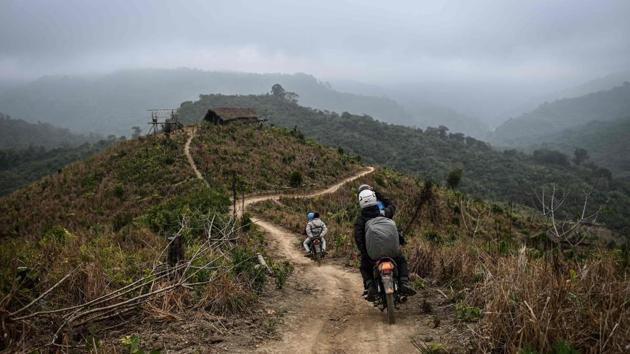
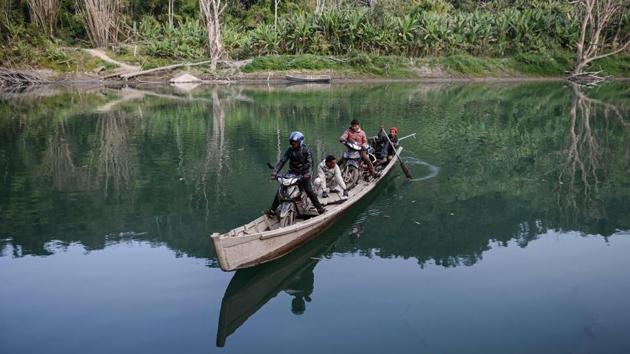
In underdeveloped Lahe, one of three Naga townships in Myanmar, it can be a gruelling walk of several days to reach the nearest developed town, negotiating precipitous, muddy paths over sharp mountain ridges. To bridge the gap, intrepid health workers from Medical Action Myanmar (MAM) head to the remote communities by motorbike, foot and even boat. Lines of patients await their arrival for the monthly mobile clinics that often run late into the evening by firelight.
Updated on: Mar 19, 2020 4:43 PM IST


Share via


Copy link

1/15
 View Photos in a new improved layout
Updated on Mar 19, 2020 4:43 PM
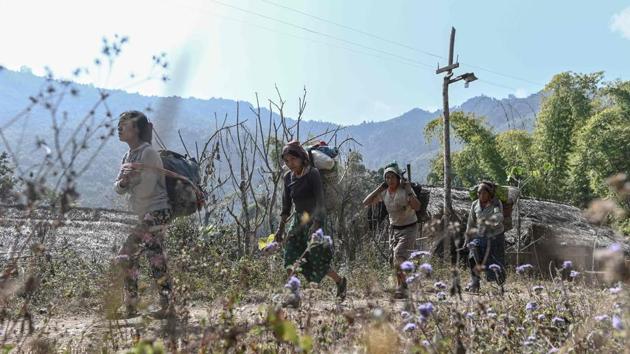
Women walk back from farming in Satpalaw Shaung village in Lahe township, Sagaing Division, Myanmar. With Malaria and tuberculosis screening out front and sacrifices to jungle gods out back, health worker Htan Pi and her shaman mother are an unlikely double-act in their isolated Myanmar village. Their family has been the local healers for generations in the northern community of Satpalaw Shaung near the Indian border. (Ye Aung thu / AFP)
2/15
 View Photos in a new improved layout
Updated on Mar 19, 2020 4:43 PM
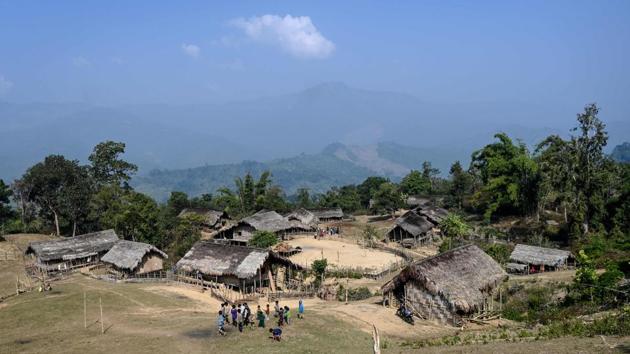
A general view of Tow Law village in Lahe township. This is Naga territory, a tribal region of former headhunters with myriad languages and customs. But trainee Htan Pi, 24, is helping usher in modern medicine thanks to a band of health mentors on motorbikes. (Ye Aungh Thu / AFP)
3/15
 View Photos in a new improved layout
Updated on Mar 19, 2020 4:43 PM
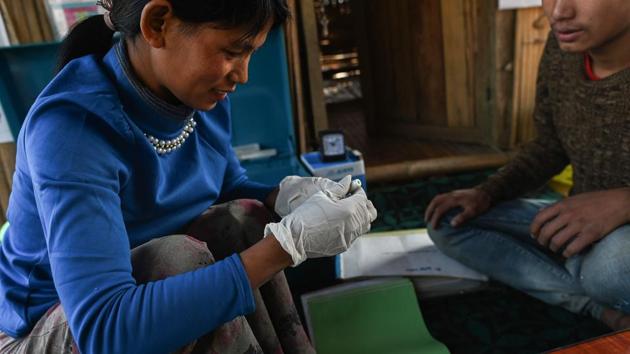
Htan Pi, a community health volunteer with Medical Action Myanmar (MAM) takes a blood sample to test for malaria at her home. Sitting on the porch of her family’s bamboo house that doubles as a clinic, Htan Pi who can administer basic health care insists she is not in competition with her mother -- the village shaman. “People come to me first and only go to my mum if they don’t get better,” she told AFP. (Ye Aung Thu / AFP)
4/15
 View Photos in a new improved layout
Updated on Mar 19, 2020 4:43 PM
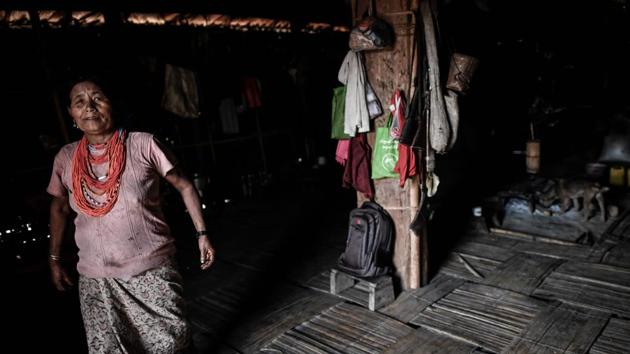
Her mother Jang Ngon picked up the story, describing the case of a man suffering from severe swelling all over his body which did not respond to treatment at the hospital, a day’s walk away. “We needed to call his soul back from the jungle, so we sacrificed a chicken and the patient got better,” said Jang Ngon -- who believes she is around 50-years-old. (Ye Aung Thu / AFP)
5/15
 View Photos in a new improved layout
Updated on Mar 19, 2020 4:43 PM
Members of Medical Action Myanmar (MAM) in Lahe township. Retreating British colonialists left Naga tribes divided between India and Myanmar. Those on the Myanmar side remain largely cut off from the rest of the country. In Lahe, one of three Naga townships, it can be a gruelling walk of several days to reach the nearest developed town, negotiating precipitous, muddy paths over sharp mountain ridges. (Ye Aung Thu / AFP)
6/15
 View Photos in a new improved layout
Updated on Mar 19, 2020 4:43 PM
Picking up a phone signal is a rare triumph, two in five villages have electricity, and only one in five boasts a government-run health clinic. “The needs are so huge...the government cannot do it alone,” said regional MP Kail, who goes by just one name. To bridge the gap, health workers from MAM head to the remote communities by motorbike, foot and even boat. (Ye Aung Thu / AFP)
7/15
 View Photos in a new improved layout
Updated on Mar 19, 2020 4:43 PM
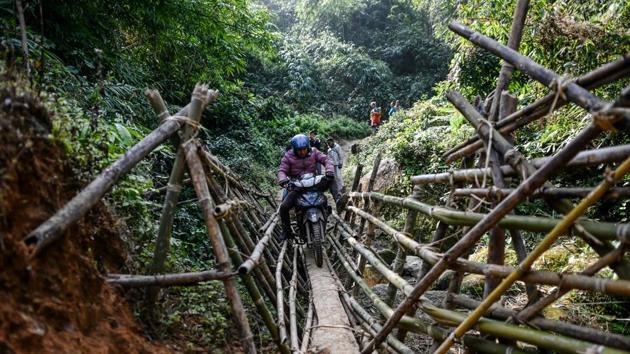
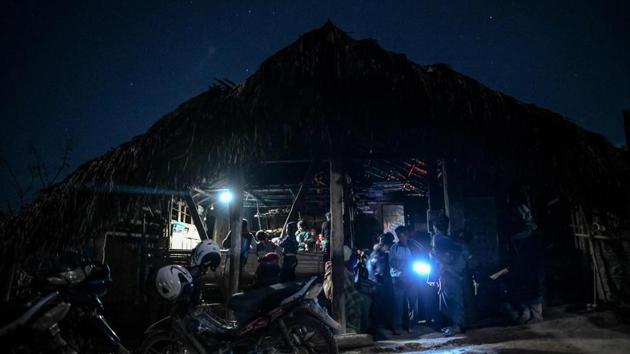
Lines of patients await their arrival for the monthly mobile clinics that often run late into the evening by firelight. Alongside more common ailments, TB is a constant threat and the hunting traditions of local tribes add risk. “Their lifestyle is quite injury-prone,” said the NGO’s regional head Dr Zaw Min Lay after undertaking a ride of steep hairpin bends, ramshackle bridges and a river crossing by rowing boat. (Ye Aung Thu / AFP)
8/15
 View Photos in a new improved layout
Updated on Mar 19, 2020 4:43 PM
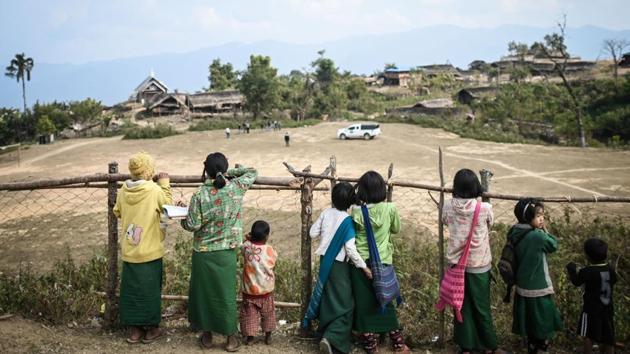
Young members of a Naga tribe watch as a team from MAM arrives to open a mobile clinic in Khar Lay village in Lahe township. The NGO’s success lies primarily in its network of health volunteers. One person in each of the area’s 275 villages has been trained to distribute basic medicines, from painkillers to rehydration salts, screen for TB, and -- crucially -- conduct malaria tests. (Ye Aung Thu / AFP)
9/15
 View Photos in a new improved layout
Updated on Mar 19, 2020 4:43 PM
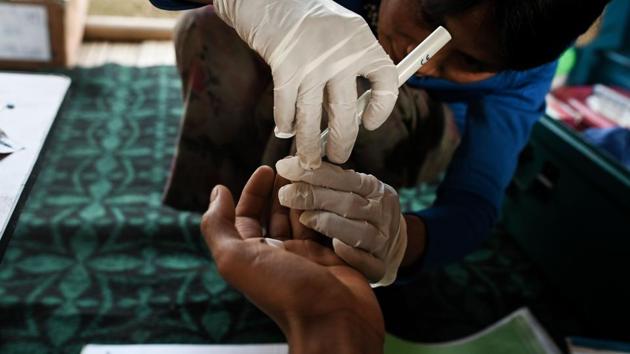
Htan Pi conducts a malaria test. Patients give a drop of blood and receive a result in just 15 minutes, flagging cases of the often fatal sickness early. The organisation provides transport to the nearest hospital for anyone needing emergency help, saving excruciating journeys by foot. (Ye Aung Thu / AFP)
10/15
 View Photos in a new improved layout
Updated on Mar 19, 2020 4:43 PM
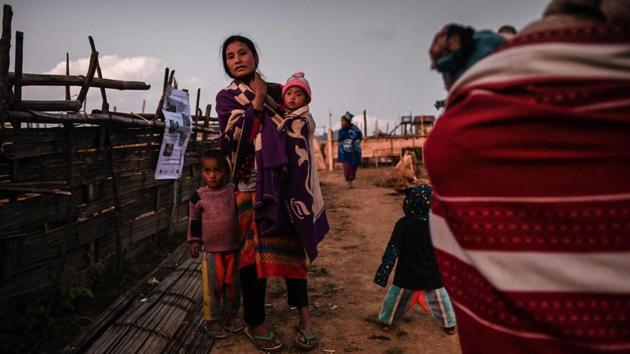
Members of a Naga tribe wait for a mobile clinic to open in Khar Lay village. “We have no motorbikes and no money to pay for a motorbike taxi,” farmer Mon, 30, visibly relieved after testing negative for malaria in Toe Lawt village told AFP. Improved rural health services are largely credited for driving down malaria across Myanmar by more than 90% between 2010 and 2017, World Health Organization (WHO) figures show. (Ye Aung Thu / AFP)
11/15
 View Photos in a new improved layout
Updated on Mar 19, 2020 4:43 PM
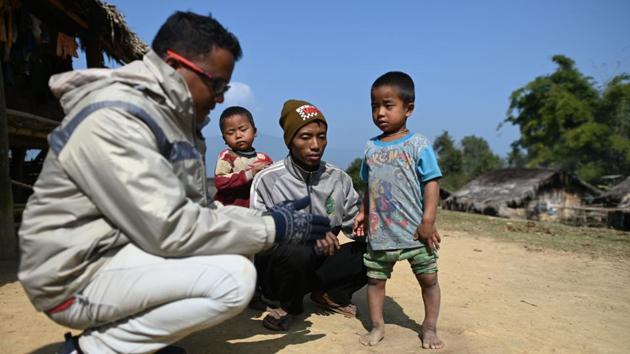
MAM) doctor Zaw Min Lay (L) talks to a father, whose son has rickets (R), in Tow Law village. “Language, transportation and zero telecommunications are the major challenges,” explained Zaw Min Lay. The trainees offer a lifeline -- however basic -- for communities, especially in the rainy season when mud and landslides can leave villages completely marooned. (Ye Aung Thu / AFP)
12/15
 View Photos in a new improved layout
Updated on Mar 19, 2020 4:43 PM
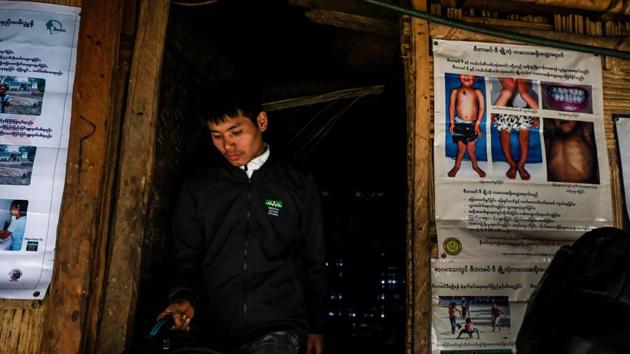
A member of MAM walks past a rickets awareness poster at a community base clinic. The NGO’s army of volunteers has also uncovered a medical anomaly -- a high concentration of rickets. The bone disease, which can result in irreversible limb deformities and stunted growth, is often caused by a lack of vitamin D, obtained in part from sunlight and hardly an expected problem in tropical Myanmar. (Ye Aung Thu / AFP)
13/15
 View Photos in a new improved layout
Updated on Mar 19, 2020 4:43 PM
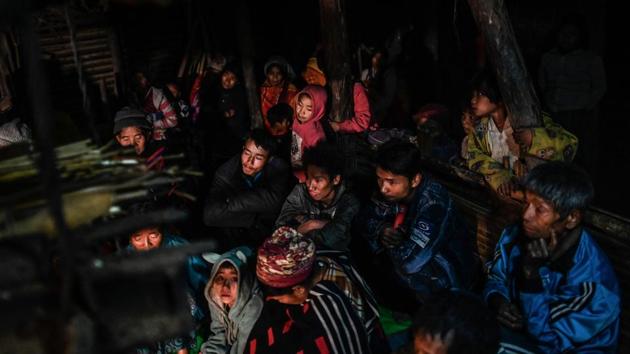
Members of a Naga tribe queue up to be treated at a mobile clinic in Khar Lay village. MAM is conducting research into the conundrum. Zaw Min Lay thinks it could be caused by a combination of a poor diet, genetic predisposition and lack of sunlight in the thick jungle. (Ye Aung Thu / AFP)
14/15
 View Photos in a new improved layout
Updated on Mar 19, 2020 4:43 PM
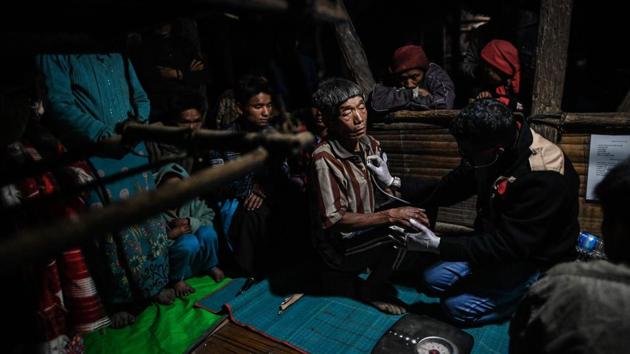
Medical Action Myanmar (MAM) doctor Zaw Min Lay (R) treats a member of a Naga tribe at a mobile clinic. Mon’s six-year-old son, Mg Taing Khite, is one of about 300 such cases in the area, his legs so bowed and painful, he was unable to walk just a few months ago. Thanks to a course of vitamin D and calcium supplements, Mg Taing Khite now cavorts around with the village’s other kids. (Ye Aung Thu / AFP)
15/15
 View Photos in a new improved layout
Updated on Mar 19, 2020 4:43 PM


