
 E-Paper



Photos: Nepal’s first modern train tracks link it to Jaynagar in Bihar
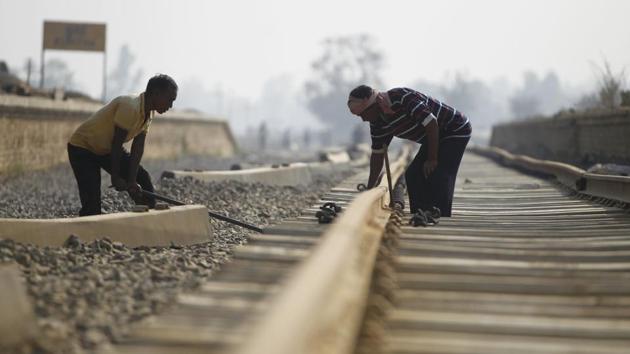
The competition between two Asian giants, India and China, for influence over Nepal is yielding a bonanza in the form of the Himalayan mountain nation's first modern railway — and possibly more to come. The railway is India's latest bid to keep its foothold as China spends billions on its massive Belt and Road Initiative. New shiny rails connecting the 34 kilometers between Janakpur in southeastern Nepal and Jaynagar in the Indian state of Bihar and are raising hopes for more business and pilgrimages.
Updated on: Dec 15, 2018 12:06 PM IST

Share via


Copy link

1/9
 View Photos in a new improved layout
Updated on Dec 15, 2018 12:06 PM
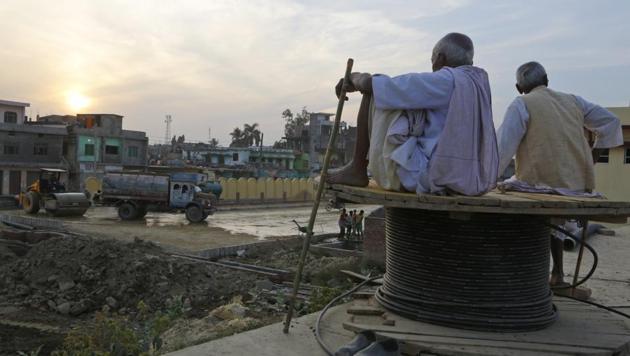
Biswombar Sah, a 62-year-old farmer, is among hundreds of in Janakpur visiting the still-under-construction rail station daily to check on its progress. “These train tracks are the best thing to happen to us in a very long time. We are all thrilled about getting a modern train that will make travel so much easier and cheaper,” Sah said. (Niranjan Shrestha / AP)
2/9
 View Photos in a new improved layout
Updated on Dec 15, 2018 12:06 PM
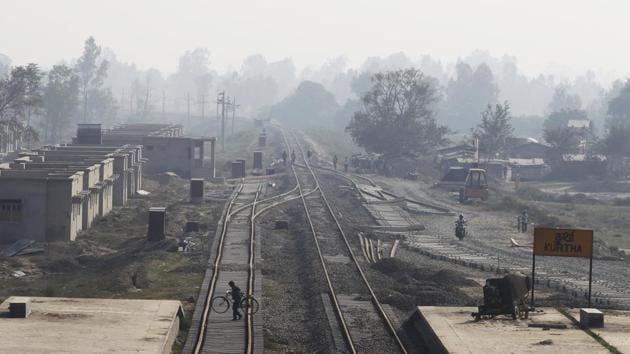
A Nepalese man carrying his bicycle crosses train tracks at Kurtha near Janakpur. The British built a narrow-gauge 2.5-foot wide track in 1937 to transport timber from Nepal. That train, with only three rusted carriages, windows lacking panes, missing doors and iffy service — the engine often broke down for days — quit running in 2014. (Niranjan Shrestha / AP)
3/9
 View Photos in a new improved layout
Updated on Dec 15, 2018 12:06 PM
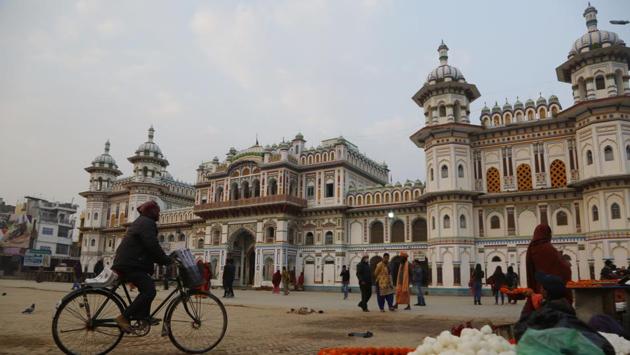
Millions of Hindu devotees travel every year to the Ram Janaki temple in Janakpur, where the goddess Sita is believed to have been born and later married Ram. Restaurant owner Naresh Chandra Jha is one of many in Janakpur who view the railway as a godsend. He’s counting on a windfall from the pilgrimage trade, and on saving money thanks to lower transport costs for supplies. (Niranjan Shrestha / AP)
4/9
 View Photos in a new improved layout
Updated on Dec 15, 2018 12:06 PM
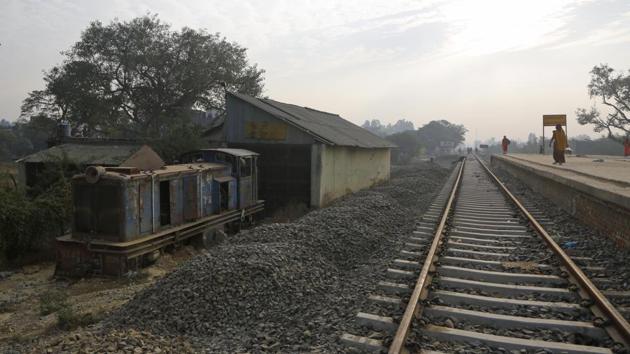
An old train engine is seen next to the newly built train tracks between Janakpur in Nepal and Jaynagar. Once the new rail line begins operations, plans call for extending the railway deeper into Nepal. For now, only a dusty trail passing through villages connects Jaynagar and Janakpur. It’s mostly used by people bringing in daily goods on motorcycles and small trucks. (Niranjan Shrestha / AP)
5/9
 View Photos in a new improved layout
Updated on Dec 15, 2018 12:06 PM
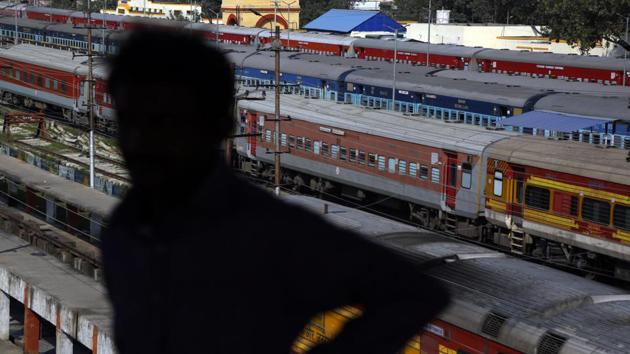
Locomotive traffic at Jaynagar station. The line will also accommodate cargo —Nepal imports all of its oil, food and other goods from India, two-thirds of its foreign trade. Project supervisor Binod Ojha said that the trains will help travel from Janakpur to Delhi of further South in India. “Once trains begin to bring all these things from India, the cost will naturally go down. Our daily expenses will be much cheaper.” (Niranjan Shrestha / AP)
6/9
 View Photos in a new improved layout
Updated on Dec 15, 2018 12:06 PM
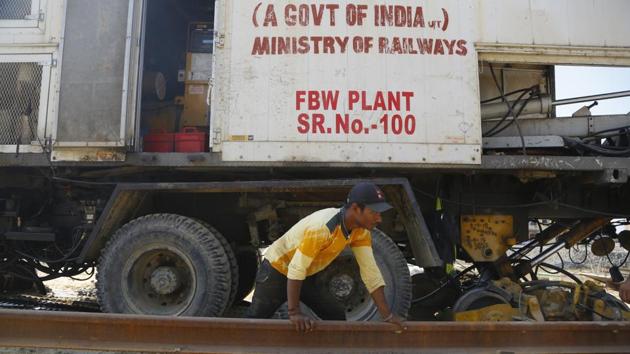
A Nepalese worker busy at Jaynagar station in India. Despite great hopes among those awaiting the new train it’s unclear exactly when passenger service will start. Prime Minister Narendra Modi had been expected to travel by train to Janakpur in December to inaugurate the new line but that plan has been cancelled. (Niranjan Shrestha / AP)
7/9
 View Photos in a new improved layout
Updated on Dec 15, 2018 12:06 PM
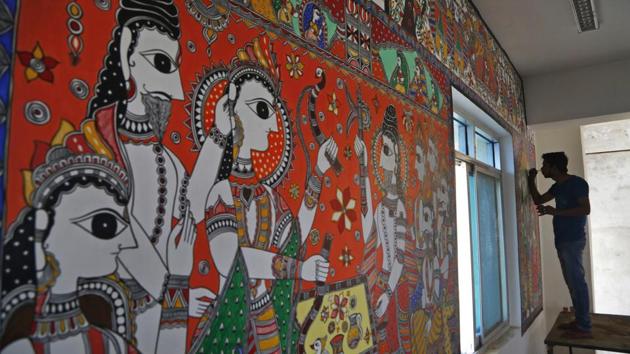
An Indian artist paints a wall with traditional Mithila art at the Janakpur station. India traditionally has had major influence in Nepal economically, socially and culturally. It was instrumental in helping Nepal establish democracy in 1950 and bring it back in 1990, when a popular uprising forced the king to give up power and bring in a multiparty system. But Nepal’s communist party won control in elections last year. (Niranjan Shrestha / AP)
8/9
 View Photos in a new improved layout
Updated on Dec 15, 2018 12:06 PM
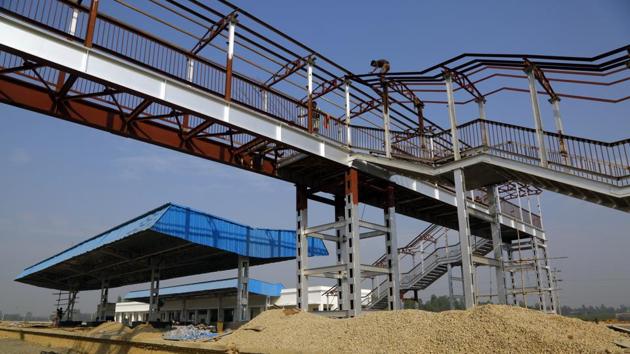
This year, according to Nepal Investment Board, China has invested USD 471 million, while India has committed only USD 51 million. “Investment from both China and India are in the rising trend. It appears they are both competing with investments, but it is a healthy competition which is beneficial for Nepal,” said Uttam Wagle, a Nepal Investment Board spokesman. (Niranjan Shrestha / AP)
9/9
 View Photos in a new improved layout
Updated on Dec 15, 2018 12:06 PM


