
 E-Paper



Photos: On Lake Victoria, a green stain spreads across Africa’s blue heart
Lake Victoria is shared with Tanzania and Uganda, but on the Kenyan side alone hyacinth covers around 17,000 hectares -- roughly five percent of Kenya's lake water surface -- a figure that fluctuates with efforts to control the stubborn weed using insects, machines or manual removal. It is believed to have first reached Lake Victoria in the 1990s, floating down the lake's western tributary, the Kagera. Agricultural pollution, illegal fishing in spawning grounds and global warming are all affecting fish reproduction and fishermen are seeing their catches evaporate, and the hyacinth is making reaching catches a task in itself.
Updated on: Feb 13, 2019 11:50 AM IST

Share via


Copy link

1/8
 View Photos in a new improved layout
Updated on Feb 13, 2019 11:50 AM
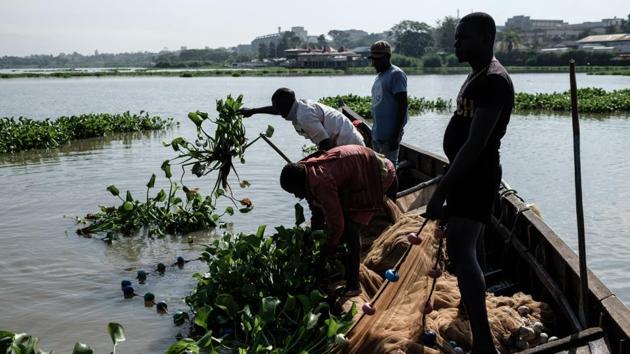
With nets piled onto wooden boats, a group of fishermen joke while gazing out across Lake Victoria and the vast green weed clogging up the waterway. But their laughter has a worried edge as the sun sets. A thick green carpet of water hyacinth is choking Kisumu bay, floating on the surface and blocking Kenya’s main entry to the largest body of water in Africa. (Yasuyoshi Chiba / AFP)
2/8
 View Photos in a new improved layout
Updated on Feb 13, 2019 11:50 AM
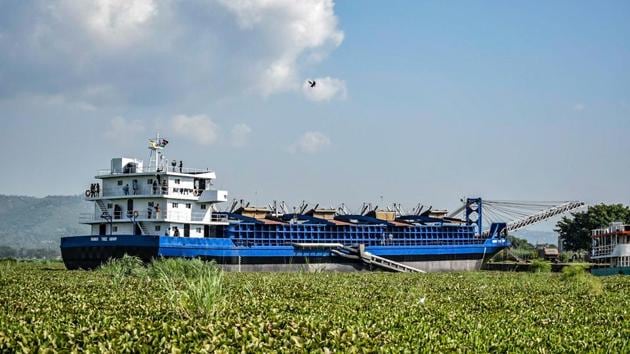
The MV Mango Tree dredger which removed weeds, lands at the Kisumu Port docks. Leggy egrets are delighted, high-stepping through the invasive vegetation but the fishermen are downcast. “If we go fishing now we’ll be stuck in the hyacinth,” said Maurice Omondi, 40, who heads the Kichinjio Fishermen’s Association on one of Kisumu’s beaches. (Brian Ongoro / AFP)
3/8
 View Photos in a new improved layout
Updated on Feb 13, 2019 11:50 AM
“In the past we tried to make it through but it’s very, very hard and the risk is too great: once, we had to get a helicopter to rescue some fishermen stuck in the hyacinth,” Omondi said. Hyacinth is an aquatic floating plant native to South America that has become a global freshwater scourge. It is believed to have first reached Lake Victoria in the 1990s, floating down the lake’s western tributary, the Kagera. (Yasuyoshi Chiba / AFP)
4/8
 View Photos in a new improved layout
Updated on Feb 13, 2019 11:50 AM
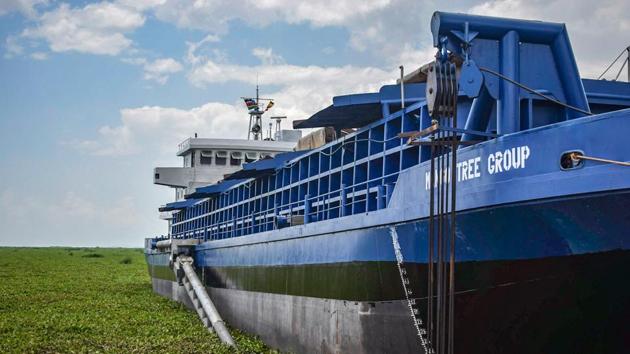
The hyacinth has complicated the movement of fishing boats and vessels on Lake Victoria. “Seeds can hibernate in the lake bed for between 15 to 21 years,” Christopher Aura from the Kenya Marine and Fisheries Research Institute said, adding that the hyacinth thrives on chemicals including phosphorus, found in high quantities in Lake Victoria due to fertiliser run-off.
5/8
 View Photos in a new improved layout
Updated on Feb 13, 2019 11:50 AM
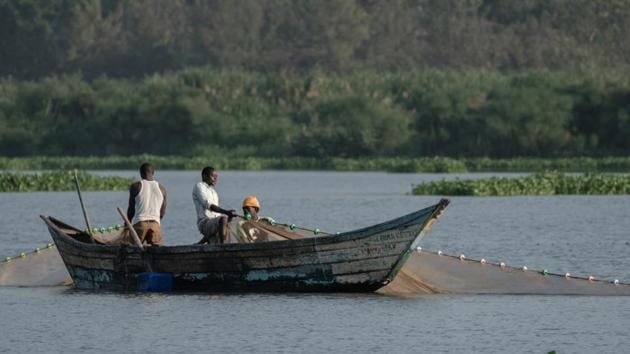
Hyacinth also reduces the amount of oxygen absorbed in the water, to the delight of species such as catfish, but to the chagrin of others like the tilapia, a mainstay of the region’s fishing economy. “I wish hyacinth was our only problem!” said George Otieno, a 34-year-old fisherman. “The fishing is not as good as before.” (Yasuyoshi Chiba / AFP)
6/8
 View Photos in a new improved layout
Updated on Feb 13, 2019 11:50 AM
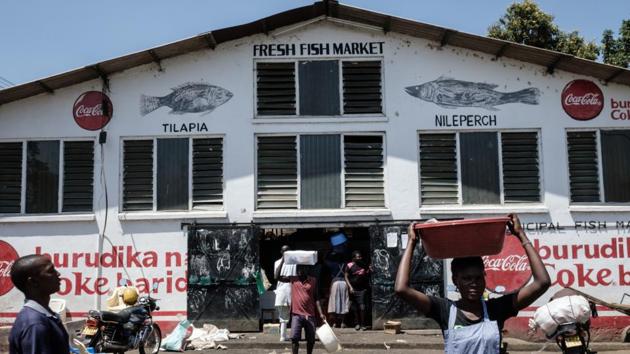
Agricultural pollution, illegal fishing in spawning grounds and global warming are all affecting fish reproduction and fishermen are seeing their catches evaporate, Aura said. In 2013, the Kenyan fishery industry in Lake Victoria landed 140,000 tonnes of fish, mostly Nile perch, white bait and tilapia. By 2016, the figure was down to 98,000 tonnes. (Yasuyoshi Chiba / AFP)
7/8
 View Photos in a new improved layout
Updated on Feb 13, 2019 11:50 AM
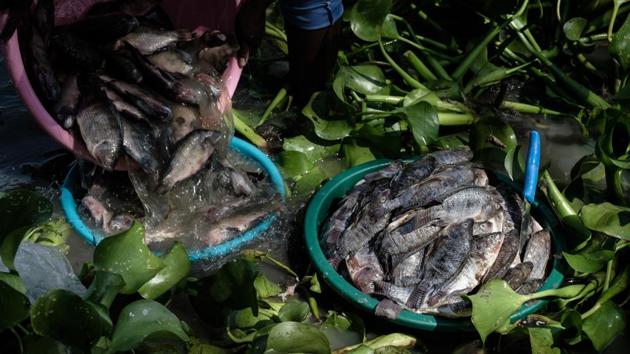
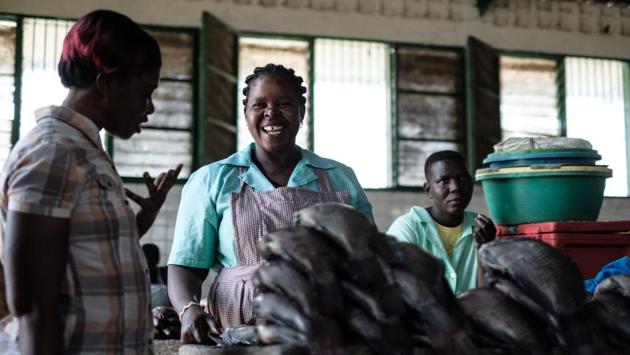
At the market in Kisumu, the gap between local demand and the lake’s supply is filled by frozen tilapia fillets -- imported from China. The incongruity makes fishmongers cringe. “It’s absurd,” says Dickson Oduor, 22, as he slices up some locally-caught fish. “But there are poorer people who prefer to buy Chinese tilapia, which is cheaper.” (Yasuyoshi Chiba / AFP)
8/8
 View Photos in a new improved layout
Updated on Feb 13, 2019 11:50 AM


