
 E-Paper



Photos: People with albinism issued with protective alarms in Malawi
The southern African nation has more than 134,000 people with albinism, representing 0.8% of the total population. The vulnerability of people with albinism is compounded by poverty and superstition. People with albinism in several African countries live in fear of being abducted and killed in the mistaken belief that their body parts carry special powers and can be sold for thousands of dollars. Since 2014, at least 26 people with albinism in Malawi have been killed while 11 remain missing.
Updated on: Mar 3, 2020 3:49 PM IST


Share via


Copy link

1/10
 View Photos in a new improved layout
Updated on Mar 3, 2020 3:49 PM
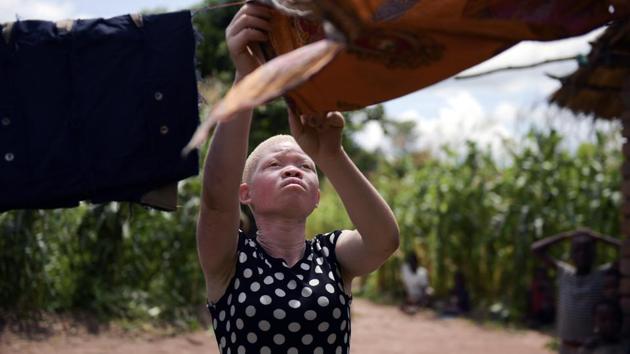
Catherine Amidu hangs clothes to dry outside her home in Machinga, Malawi. People with albinism in several African countries live in fear of being abducted and killed in the mistaken belief that their body parts carry special powers and can be sold for thousands of dollars. 17-year-old Amidu has survived an attempt on her life in 2017. (Thoko Chikondi / AP)
2/10
 View Photos in a new improved layout
Updated on Mar 3, 2020 3:49 PM
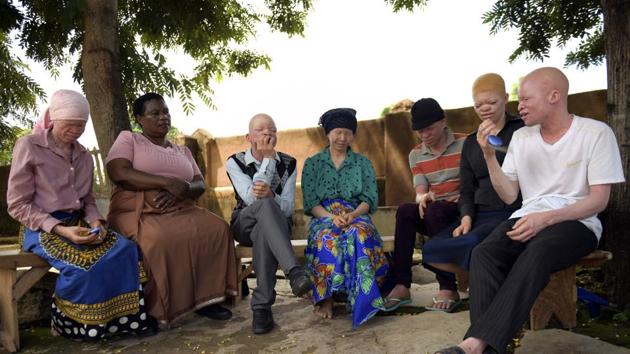
Chairperson for Machinga Association of Persons with Albinism Abdul Byson (R) talks during a meeting with members of the association in Machinga. The vulnerability of people with albinism is compounded by poverty and superstition. Since 2014, at least 26 people with albinism in Malawi have been killed while 11 remain missing, according to the national Association of Persons with Albinism. (Thoko Chikondi / AP)
3/10
 View Photos in a new improved layout
Updated on Mar 3, 2020 3:49 PM
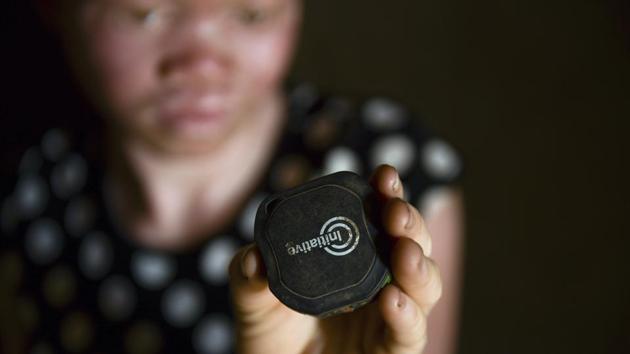
Catherine Amidu shows her protective alarm inside her home. The protective alarm she received in October had not been working for close to two weeks, she said. She now sees the new keychain-like alarm as the best way to alert others in case of another attack. “Without it, it means I don’t have protection at all,” she said. “What will I do when the people return to finish what they started?” (Thoko Chikondi / AP)
4/10
 View Photos in a new improved layout
Updated on Mar 3, 2020 3:49 PM
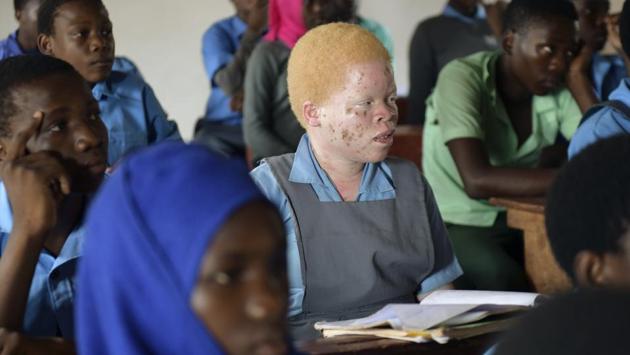
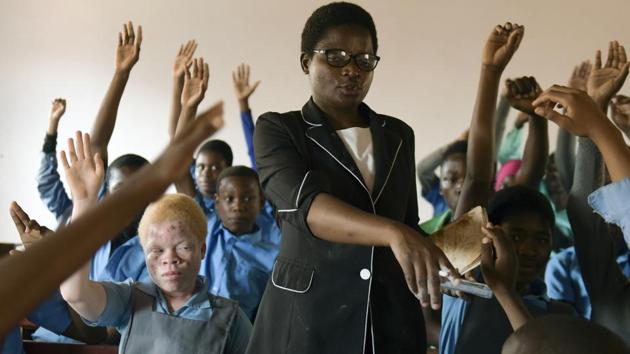
Mina Godfrey attends class at the Nsanjama Private Primary School. The southern African nation has more than 134,000 people with albinism, representing 0.8% of the total population, according to the national statistics office in 2018. (Thoko Chikondi / AP)
5/10
 View Photos in a new improved layout
Updated on Mar 3, 2020 3:49 PM
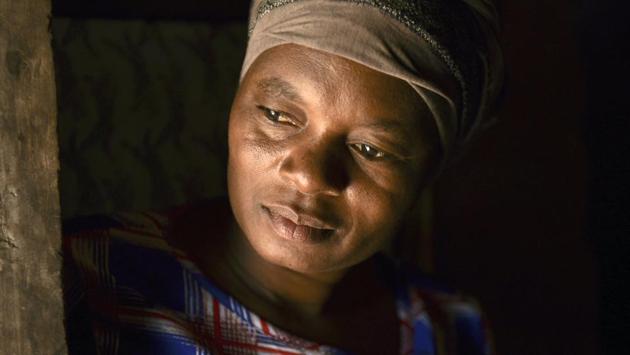
Catherine Amidu's mother Chrissy Stephano looks on inside her home in Machinga. She said the alarms offer hope but shortcomings exist. On February 24, the United Nations office in Malawi condemned a new attack in which a 92-year-old woman with albinism was assaulted by people who cut off two of her toes. The U.N. noted a spike in such attacks and killings during election tensions last year. (Thoko Chikondi / AP)
6/10
 View Photos in a new improved layout
Updated on Mar 3, 2020 3:49 PM
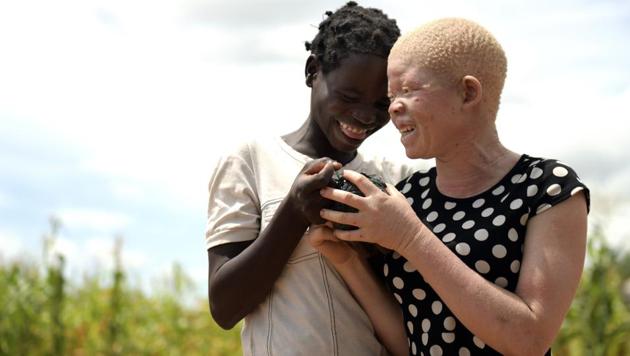
Catherine Amidu (R) with her best neighbourhood friend Aisha at her home. At the request of the Association of Persons with Albinism, President Peter Mutharika last year appointed a commission of inquiry to investigate the abductions and killings. Its results have not yet been released. (Thoko Chikondi / AP)
7/10
 View Photos in a new improved layout
Updated on Mar 3, 2020 3:49 PM
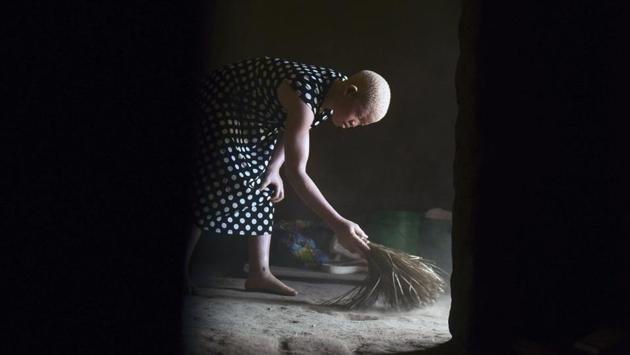
Catherine Amidu sweeps the floor inside her home. Mercy Mleme, secretary of the local chapter of the Association of Persons with Albinism, acknowledged the problems. “Being a rural area, we do not have electricity. Even in a case where we had power, most persons with albinism live in the remotest of areas and cannot manage to charge their gadgets,” Mleme said. (Thoko Chikondi / AP)
8/10
 View Photos in a new improved layout
Updated on Mar 3, 2020 3:49 PM
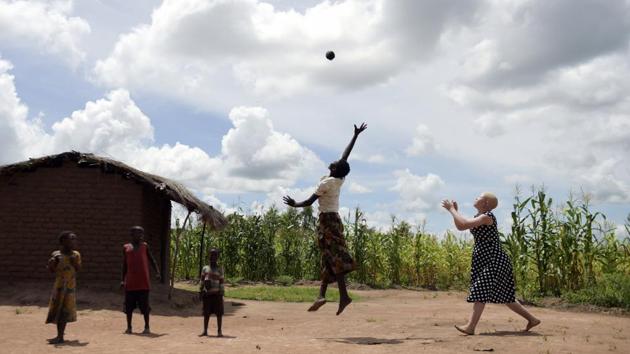
In a low-tech alternative to the alarms, the association has encouraged people with albinism to buy whistles to help alert neighbours in case of emergency. Abdulrazak Baison, chairman of the association’s chapter in Machinga, said they were sidelined when the personal alarms were handed out. “We cannot even say how many alarms have been distributed because the police were distributing them without involving us,” he said. (Thoko Chikondi / AP)
9/10
 View Photos in a new improved layout
Updated on Mar 3, 2020 3:49 PM
Mina Godfrey attends class at the Nsanjama Private Primary School. As of February, Nsanjama Private Primary School enrolled three students with albinism. “Security is much better here at school compared to the situation I left at home,” said Mina Godfrey, one of the students. “I would like to be a lawyer so that I can represent persons with albinism in court, considering the challenges they face.” (Thoko Chikondi / AP)
10/10
 View Photos in a new improved layout
Updated on Mar 3, 2020 3:49 PM


