
 E-Paper



Photos: Rio residents turning urban favelas into green islands
A scarce scrap of vacant land just outside downtown on the slope of Providencia, Rio’s first favela, where working-class homes cram up against one another at slipshod angles and bullet holes attests to the presence of drug traffickers. It's one of dozens of places where people are starting projects to create a greener version of a tree-starved urban landscape that contrasts with the verdant rainforest looming over the city. The activist group Catalytic Communities has mapped sustainable projects across the city, and is trying to foster a support network.
Updated on: Jan 28, 2020 4:44 PM IST


Share via


Copy link

1/11
 View Photos in a new improved layout
Updated on Jan 28, 2020 4:44 PM
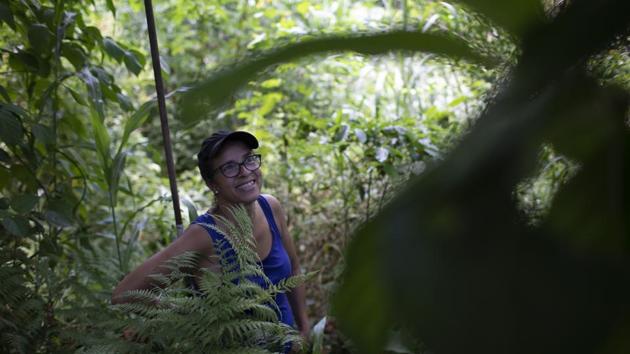
Ale Roque wandered an untamed orchard in Rio de Janeiro, pushing aside leaves to point out what she helped plant last year. “This is cacao, developing well ... look at this lime tree, it’s full ... lots and lots of tomato ... that one’s acai ...,” she told AP. It seems there’s always more. “Ginger... Avocado... Pineapple... Sweet potato.” (Silvia Izquierdo / AP)
2/11
 View Photos in a new improved layout
Updated on Jan 28, 2020 4:44 PM
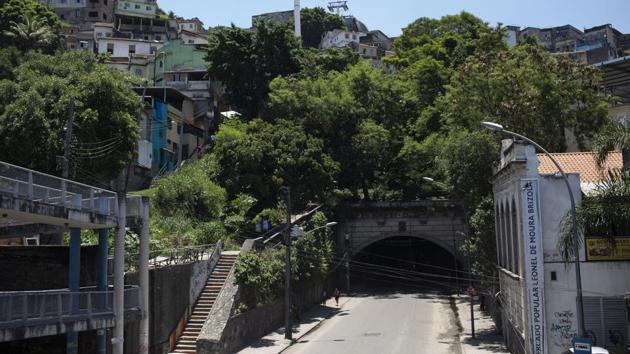
An area where trees and plants were gardened by Ale Roque. Roque crouched toward a plump yam and made a mental note to pick it with the children she’s teaching to garden in several spots in the community. In addition to providing free produce, there’s another benefit: it’s markedly cooler in this shade — a rarity in this part of the city, far from the sea breeze of Copacabana and Ipanema. (Silvia Izquierdo / AP)
3/11
 View Photos in a new improved layout
Updated on Jan 28, 2020 4:44 PM
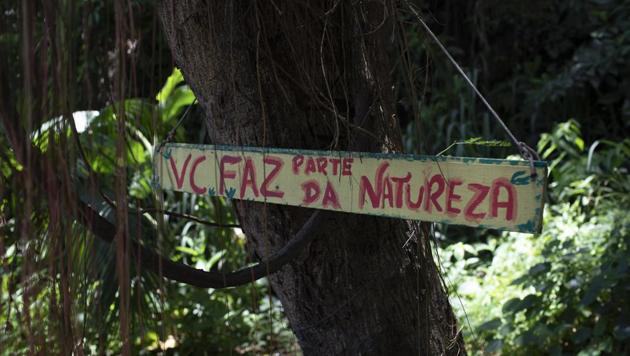
A sign reads “You take part of nature”. Roque argues that if kids spend their days exposed only to alleys, bullets, drugs and trash, they’ll struggle to contribute to the world. They need places to play and pick flowers. “How are you going teach kids about Mother Nature if they don’t have contact with it?” she said. “This could be happening in places all over the world, in other favelas, other little areas.” (Silvia Izquierdo / AP)
4/11
 View Photos in a new improved layout
Updated on Jan 28, 2020 4:44 PM
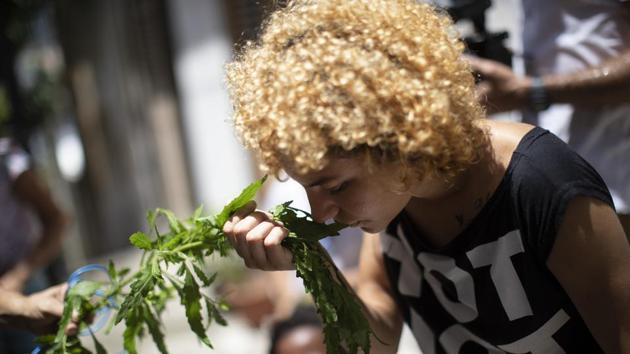
A woman during a gardening class. Rio is famed for views of its coastal rainforests. But there’s also urban dystopia after decades of slapdash sprawl. Even the Christ the Redeemer statue, perched atop a jungle peak has his back turned to most of the metropolis. Whole neighbourhoods have severed connections with the forest and during Rio’s summer residents feel their lack. (Silvia Izquierdo / AP)
5/11
 View Photos in a new improved layout
Updated on Jan 28, 2020 4:44 PM
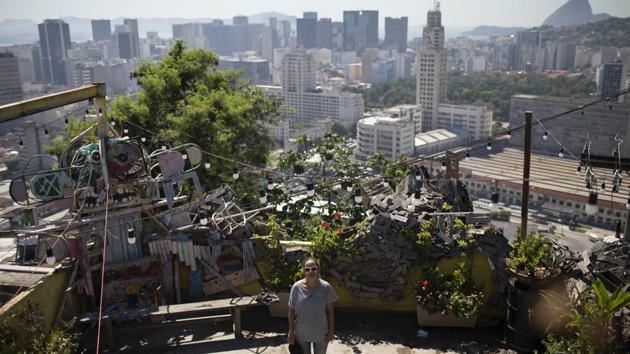
Ale Roque at the Yellow House cultural centre. Rio’s neighbourhoods have among the least vegetation in Brazil; 80 of them have less than 1% tree cover. This month, the city’s temperatures breached 40 degrees Celsius, but people focus instead on “apparent temperature,” a measure that includes wind and humidity that spiked as high as 54.8 degrees C on January 11, just shy of the record. (Silvia Izquierdo / AP)
6/11
 View Photos in a new improved layout
Updated on Jan 28, 2020 4:44 PM
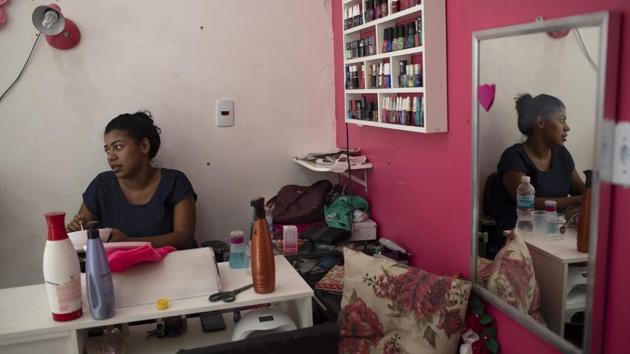
In Rio’s North Zone, the Arara Park favela is so packed that a string of one-room shops were built over an open sewage canal. Ingrid Rocha, 20, slouches beneath a whirring ceiling fan with another on the floor. Her air conditioning unit does nothing to cut the heat, so clients only show up after 4pm. That means Rocha, who’s pregnant, needs to work more than 12-hour days to hit her targets. (Silvia Izquierdo / AP)
7/11
 View Photos in a new improved layout
Updated on Jan 28, 2020 4:44 PM
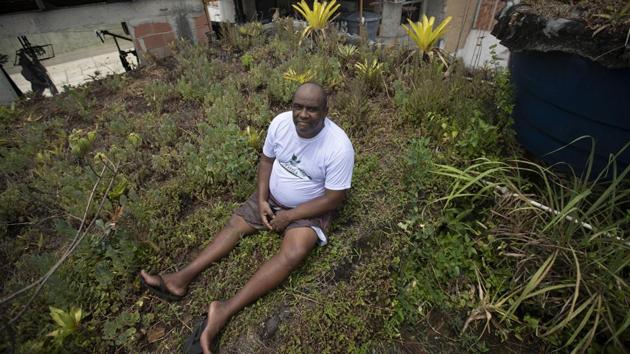
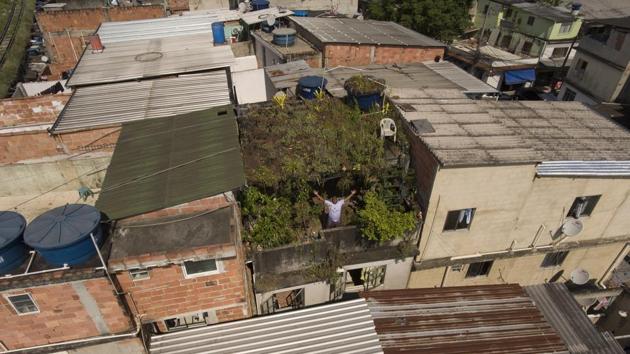
Deeper inside the favela, Luis Cassiano has set up a garden atop his home. As more and more houses cropped up over the last three decades, he felt the temperature rise to a point that became unbearable. The sun would set behind the far-off rainforest, but his home’s interior wouldn’t cool until after midnight. (Silvia Izquierdo / AP)
8/11
 View Photos in a new improved layout
Updated on Jan 28, 2020 4:44 PM
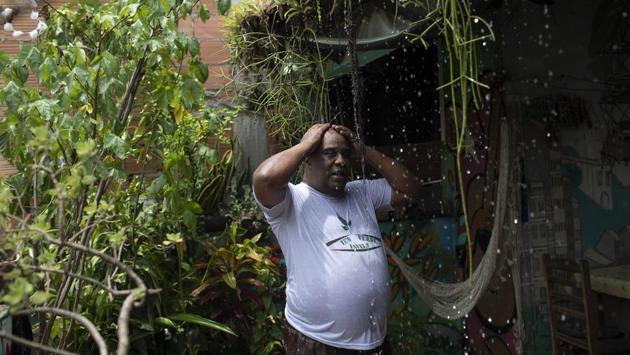
Cassiano cools off with water from his green roof. Online research for a solution led him to install the green roof -- with bromeliads, succulents and a small, flowering quaresmeira tree -- and he wants to do the same for neighbours. So far he’s had few takers, but “if God wills, people will understand that it’s necessary and urgent and it will be a job that will be really useful,” he told AP. (Silvia Izquierdo / AP)
9/11
 View Photos in a new improved layout
Updated on Jan 28, 2020 4:44 PM
The nascent greening from such projects is a break with Rio’s recent past, according to Washington Fajardo, a visiting housing policy researcher at Harvard University. “To get a tree to grow in an urban environment requires irrigation, because pollution makes it much harder for a sapling to reach adulthood,” Fajardo, the prior mayor’s special advisor on urban issues, said by phone from Cambridge, Massachusetts. (Renato Spyrro / AP)
10/11
 View Photos in a new improved layout
Updated on Jan 28, 2020 4:44 PM
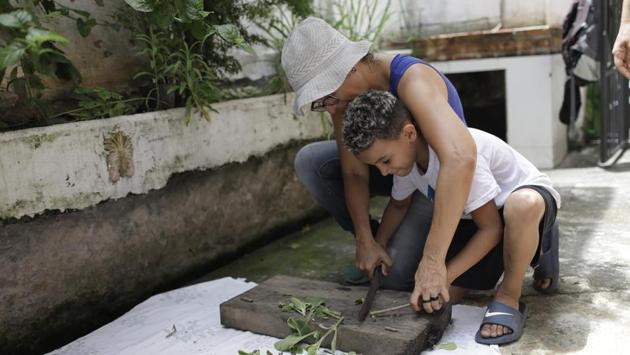
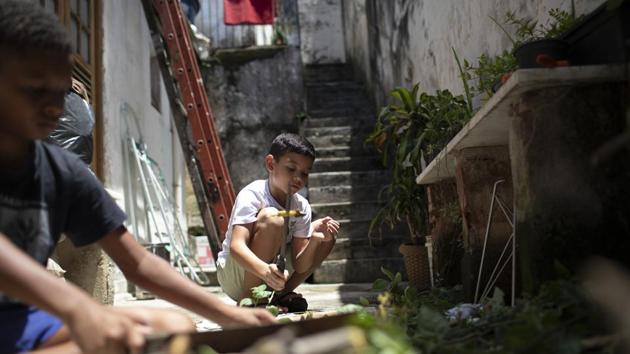
Ale Roque teaches a boy to garden. The city has begun paying attention. Rio this month started planting native tree species to create 25 “fresh islands” in the city’s West Zone. Meantime, it’s only getting hotter in Brazil, as in the rest of the world. Its south-east region -- where Rio is located — has recorded three of its steamiest five years on record since 2014. (Silvia Izquierdo / AP)
11/11
 View Photos in a new improved layout
Updated on Jan 28, 2020 4:44 PM


