
 E-Paper



Photos: Saudi Arabia revives ruins of Al-Ula as doors open to tourists
Al-Ula, an area rich in archaeological remnants containing pre-Islamic inscriptions and drawings, a legacy of the Nabataean artistic tradition, is seen as a jewel in the crown of future Saudi attractions as the austere kingdom prepares to issue tourist visas for the first time -- opening up one of the last frontiers of global tourism. Saudi Crown Prince Mohammed bin Salman signed a landmark agreement with Paris on April 10, 2018 for the touristic and cultural development of the northwestern site, once a crossroads of ancient civilisations.
Updated on: Apr 13, 2018 12:51 PM IST

Share via


Copy link

1/11
 View Photos in a new improved layout
Updated on Apr 13, 2018 12:51 PM
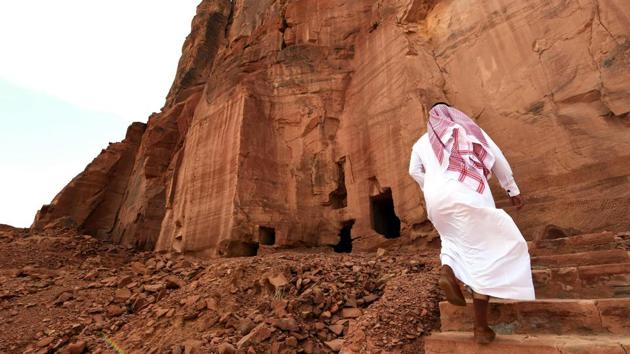
Trudging up a caramel-hued cliff pocked with ancient tombs, guide Bandar al-Anazi gazed at a windswept desert landscape of pre-Islamic ruins at the centre of Saudi-Franco preservation efforts. Al-Ula, rich in archaeological remnants, is seen as a jewel in the crown of future Saudi attractions as the kingdom prepares to issue tourist visas -- opening up one of the last frontiers of global tourism. (Fayez Nureldine / AFP)
2/11
 View Photos in a new improved layout
Updated on Apr 13, 2018 12:51 PM
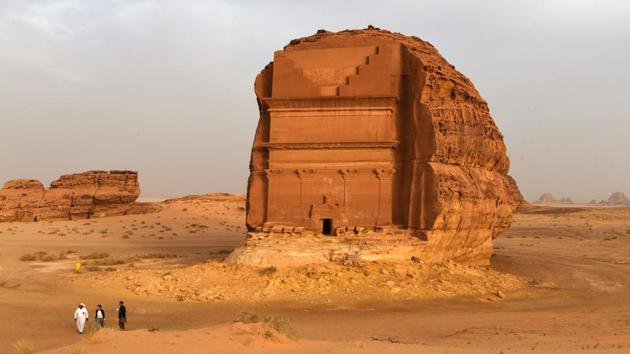
The Qasr al-Farid tomb (The Lonely Castle) carved into rose-coloured sandstone in Madain Saleh, a UNESCO World Heritage site, stands in the dunes near al-Ula. Saudi Crown Prince Mohammed bin Salman signed a landmark agreement with Paris on Tuesday for the touristic and cultural development of the northwestern site, once a crossroads of ancient civilisations. (Fayez Nureldine / AFP)
3/11
 View Photos in a new improved layout
Updated on Apr 13, 2018 12:51 PM
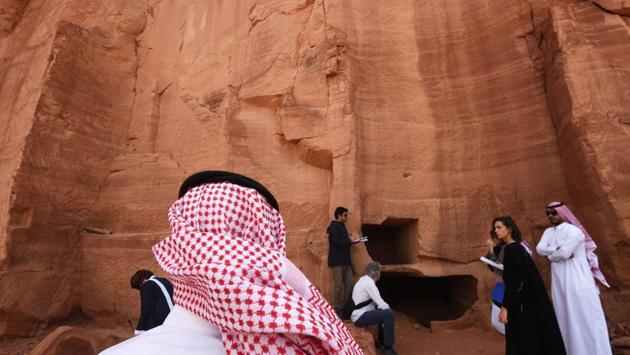
“All of Al-Ula is an open air museum,” Anazi said during a media tour just days before Prince Mohammed’s trip, revealing a patchwork of rock-cut tombs containing niches for burials. The tombs, some containing pre-Islamic inscriptions and drawings such as hunting scenes, are a legacy of the Nabataean artistic tradition. (Fayez Nureldine / AFP)
4/11
 View Photos in a new improved layout
Updated on Apr 13, 2018 12:51 PM
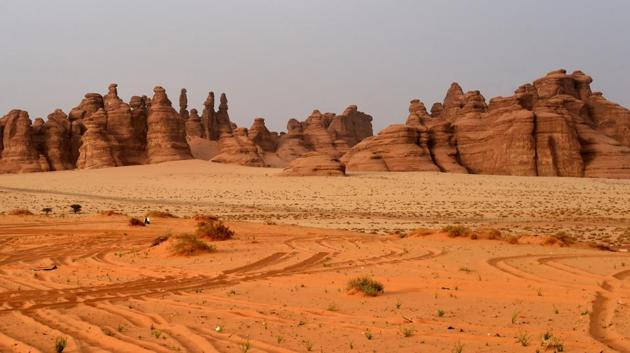
“There is so much history here still waiting to be discovered.” The chiseled rock art forms could help unravel the mysteries of millennia-old civilisations on the Arabian Peninsula. The area, roughly the size of Belgium, served as an important way station and bedouin watering hole on the trade route linking the Arabian Peninsula, North Africa and India. (Fayez Nureldine / AFP)
5/11
 View Photos in a new improved layout
Updated on Apr 13, 2018 12:51 PM
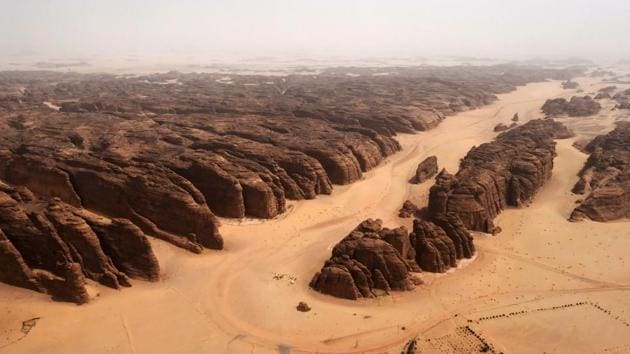
Al-Ula is home to the kingdom’s first UNESCO World Heritage Site, Madain Saleh, built more than 2,000 years ago by the Nabataeans. A helicopter tour of the area reveals a desert landscape that appears like the top of a foamed latte, dotted with heritage sites and towering maze-like rock formations. (Fayez Nureldine / AFP)
6/11
 View Photos in a new improved layout
Updated on Apr 13, 2018 12:51 PM
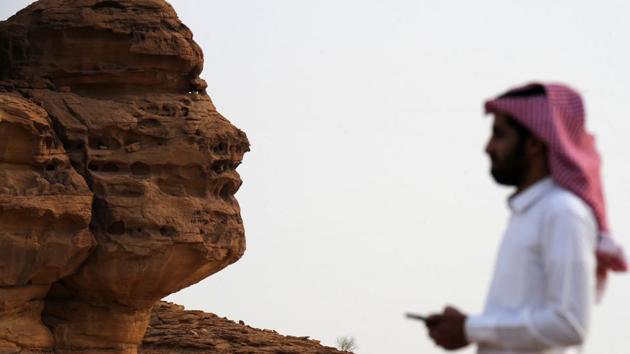
A Saudi man visits the Khuraiba archaeological site near al-Ula. “Every day something new is being discovered,” Jamie Quartermaine, an expert from the Britain-based Oxford Archaeology group, told AFP. The Saudi-Franco partnership is in part aimed at preserving the site from further erosion and vandalism. (Fayez Nureldine / AFP)
7/11
 View Photos in a new improved layout
Updated on Apr 13, 2018 12:51 PM
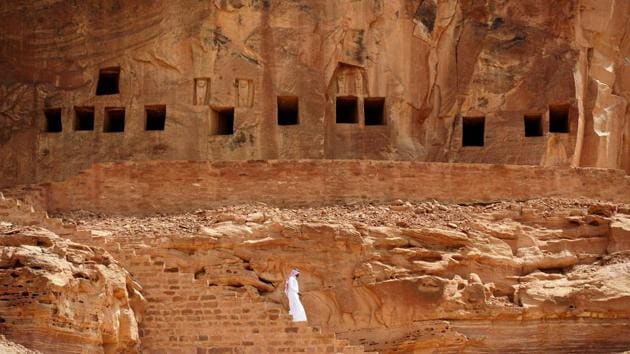
A man walks near ancient tombs at the Khuraiba. But before a preservation plan is launched all archaeological treasures need to be accounted for, said Amr al-Madani, head of the Royal Al-Ula Commission. A massive two-year surveying programme began in March, which includes scanning via helicopters, satellites, drones and remote sensing Lidar. (Fayez Nureldin / AFP)
8/11
 View Photos in a new improved layout
Updated on Apr 13, 2018 12:51 PM
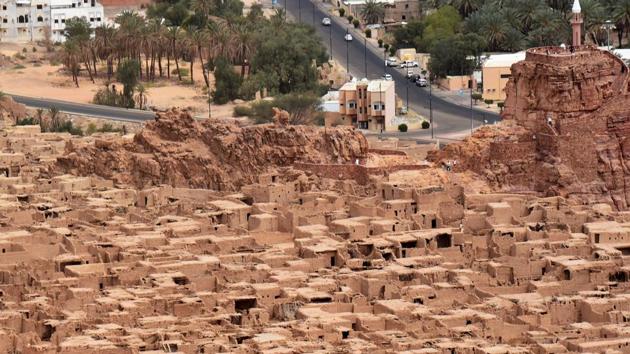
The walled city of Al-Ula, with tightly packed mud-brick and stone houses was inhabited until modern times. It sits decaying under the scorching sun. A Franco-Saudi deal to develop it calls for the creation of a dedicated agency modelled on the lines of the French museums agency, which spearheaded the Louvre museum in Abu Dhabi. (Fayez Nureldine / AFP)
9/11
 View Photos in a new improved layout
Updated on Apr 13, 2018 12:51 PM
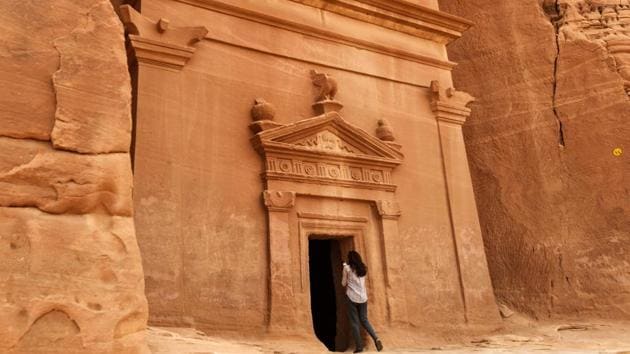
Al-Ula is expected to fully open up to global tourists within three to five years, launching the site as what Saudi officials describe as “a gift to the world”. At least one large museum is planned to be built in Al-Ula. (Fayez Nureldine / AFP)
10/11
 View Photos in a new improved layout
Updated on Apr 13, 2018 12:51 PM
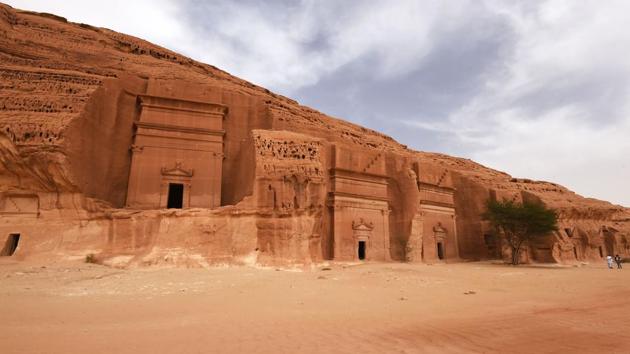
Archaeologists last year used Google Maps to find hundreds of stone “gates” built from rock in a remote Saudi desert, which may date back as far as 7,000 years. They also discovered evidence of lakes believed to have existed in the Nefud desert, which experts say lends credence to the theory that the region swung between desertification and wetter climate. (Fayez Nureldine / AFP)
11/11
 View Photos in a new improved layout
Updated on Apr 13, 2018 12:51 PM


