
 E-Paper



Photos: Solar energy eases notorious power cuts in rural Pakistan
With national elections scheduled in July, the incumbent Pakistan Muslim League – Nawaz has promised to end power cuts before its term ends in May. But rural Pakistanis are increasingly turning to renewable energy and small scale solar power systems to alleviate their experience with the country’s notoriously unreliable power supply. Deficient generation and distribution shave an estimated 2 percentage points off Pakistan’s economic growth annually and faults in the national grid are exposed every summer as demand, temperatures and load shedding all increase together.
Updated on: May 09, 2018 2:05 PM IST

Share via


Copy link

1/9
 View Photos in a new improved layout
Updated on May 09, 2018 2:05 PM
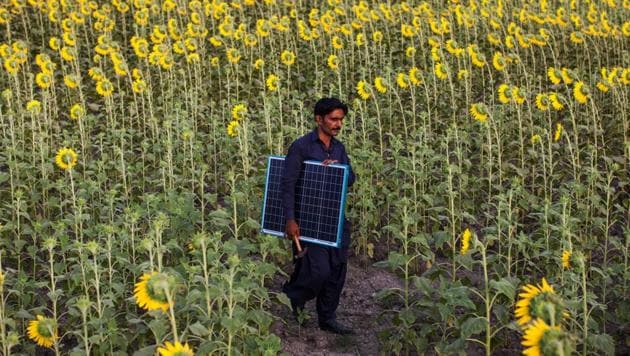
An EcoEnergy technician carries a solar panel through a sunflower field in Sujawal, Sindh, Pakistan. Rural Pakistanis are increasingly turning to renewable energy to circumvent the country’s notoriously unreliable power supply. (Asim Hafeez / Bloomberg)
2/9
 View Photos in a new improved layout
Updated on May 09, 2018 2:05 PM
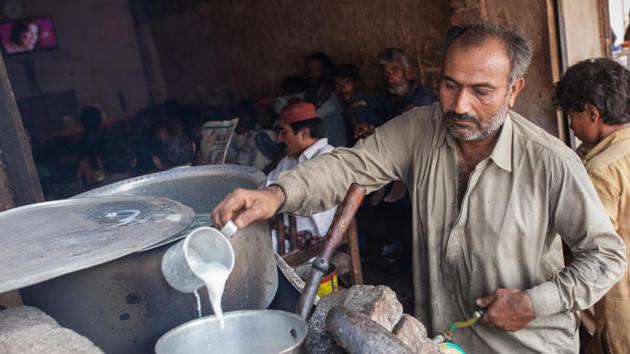
In a small tea shop in Sujawal, Imam Dino has hit upon a profitable idea. A 24-inch television plays Bollywood movies through the day and customers get phone charging sockets in a town that otherwise suffers long outages. All this from a solar-panel system he rents for 2,500 rupees ($22) a month. (Asim Hafeez / Bloomberg)
3/9
 View Photos in a new improved layout
Updated on May 09, 2018 2:05 PM
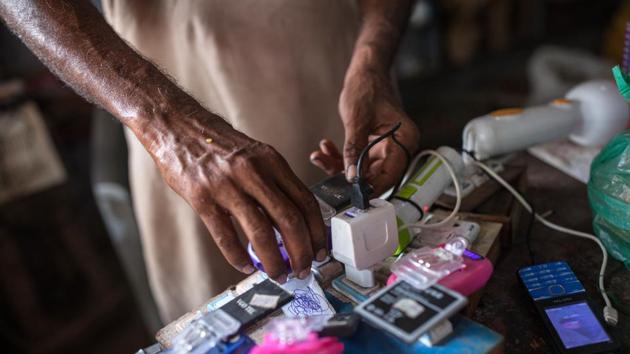
A vendor plugs a smartphone battery into a solar powered charging unit at a grocery store in Sujawal. It’s been a sound investment so far. Dino now makes as much as 3,000 rupees extra each month from customers attracted by the perks. He’d spend more earlier to run a gasoline generator. (Asim Hafeez / Bloomberg)
4/9
 View Photos in a new improved layout
Updated on May 09, 2018 2:05 PM
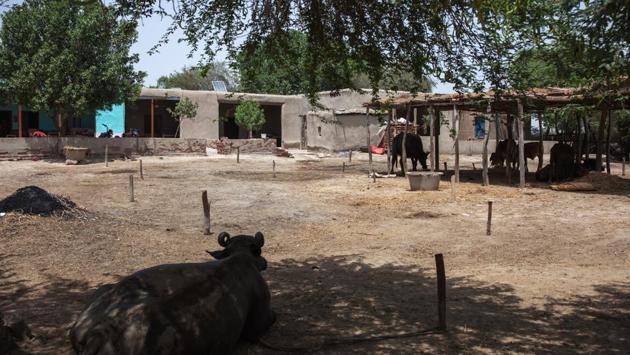
Cattle in the shade near a solar-powered home in Ahmed Khan Zaur village in Sindh. With general elections coming up in July, the Pakistan Muslim League-Nawaz government is counting on its infrastructure and power plant push for an electoral edge. It has pledged to end power cuts before the term ends in May but a third of the country still isn’t connected to the power grid. (Asim Hafeez / Bloomberg)
5/9
 View Photos in a new improved layout
Updated on May 09, 2018 2:05 PM
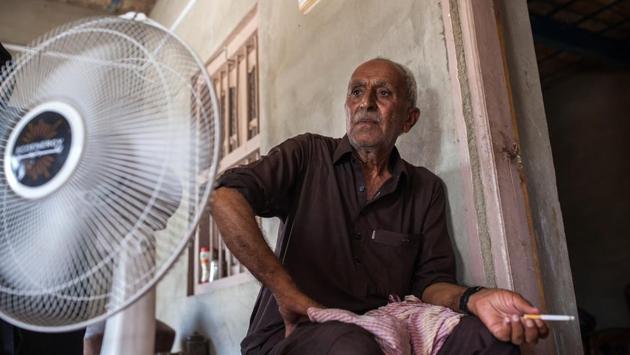
A man sits next to a solar-powered fan in Goth Gul Muhammad Rao village, Sindh. Deficient generation and distribution take an estimated 2 percentage points off Pakistan’s economic growth annually and faults in the national grid are exposed as demand increases in summer. Even Karachi, the financial hub of the country isn’t spared from hours long cuts. (Asim Hafeez / Bloomberg)
6/9
 View Photos in a new improved layout
Updated on May 09, 2018 2:05 PM
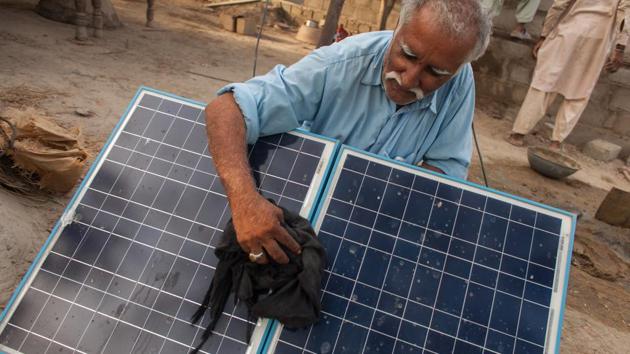
Part of the problem is an imbalanced payments system among power suppliers leading to so-called circular debt. Government-mandated tariffs don’t recoup costs and subsidies are rarely paid on time, according to a report from the Asian Development Bank. And customers are discovering that off-grid solar may be the answer. (Asim Hafeez / Bloomberg)
7/9
 View Photos in a new improved layout
Updated on May 09, 2018 2:05 PM
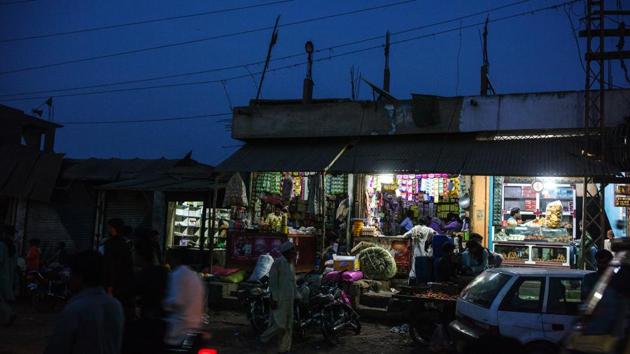
Stores stands illuminated by solar-powered bulbs seen in Sujawal’s marketplace. Global solar panel prices have plummeted in the last five years and units ranging in size from 50 watts to 200 watts, powering fans and lights are available even in the poorest regions for 1,000 rupees to 3,000 rupees a month, according to distributors EcoEnergy and Nizam Energy. (Asim Hafeez / Bloomberg)
8/9
 View Photos in a new improved layout
Updated on May 09, 2018 2:05 PM
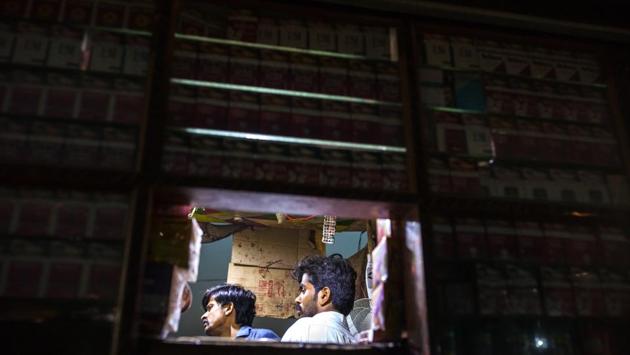
Vendors are illuminated by solar-powered bulbs at a stall at night in Sujawal. Solar and wind energy contributed 3 percent to Pakistan’s electricity generation, or about 300 megawatts as of March, according to brokerage firm Arif Habib Ltd. (Asim Hafeez / Bloomberg)
9/9
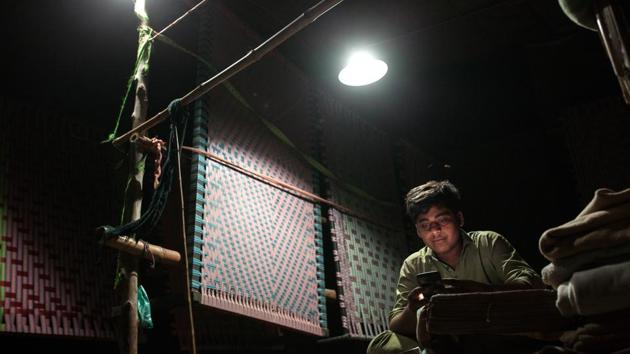 View Photos in a new improved layout
Updated on May 09, 2018 2:05 PM


