
 E-Paper



Photos | Tipples and trash: Japanese waste plant opens doors to diners
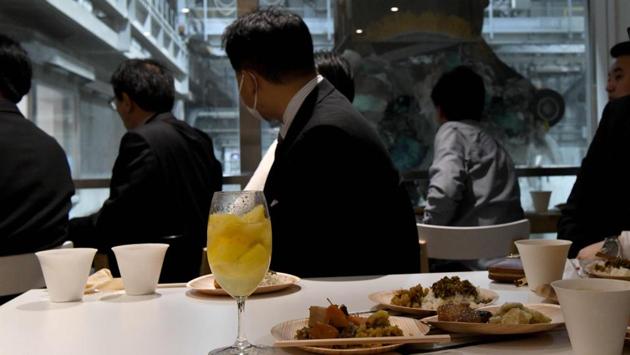
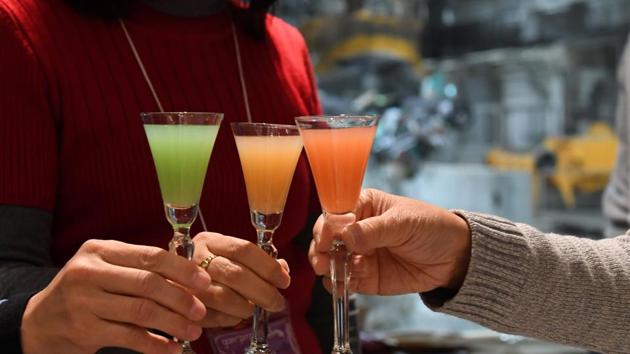
A group of young Japanese snap selfies as they knock back a few drinks on a Friday night. But the backdrop to their photos is a mechanical claw stuffed with trash. They have chosen one of the more unusual spots in Tokyo for an after-work tipple: a local waste facility and incinerator. It makes for a striking juxtaposition: on the upper floor of the facility in Musashino in western Tokyo, several dozen people sit at tables eating nibbles and sipping cocktails.
Updated on: Jan 30, 2019 12:02 PM IST

Share via


Copy link

1/9
 View Photos in a new improved layout
Updated on Jan 30, 2019 12:02 PM
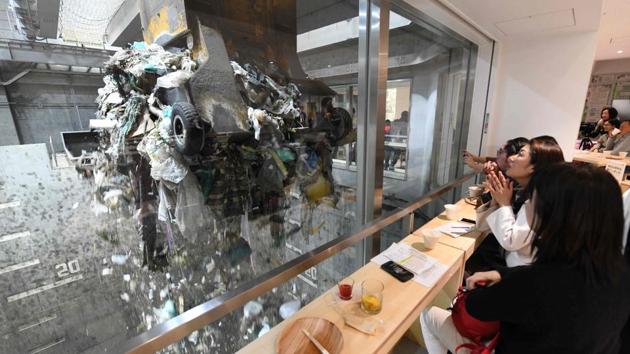
Customers watch an enormous crane pick up rubbish for incineration at a combustible waste pit while having a drink and snack in Tokyo, Japan. The pop-up bar -- called Gomi (trash) Pit -- is the initiative of local officials who are trying to promote their state-of-the-art facility and prod local residents to think about the waste they produce. (Toshifumi Kitamura / AFP)
2/9
 View Photos in a new improved layout
Updated on Jan 30, 2019 12:02 PM
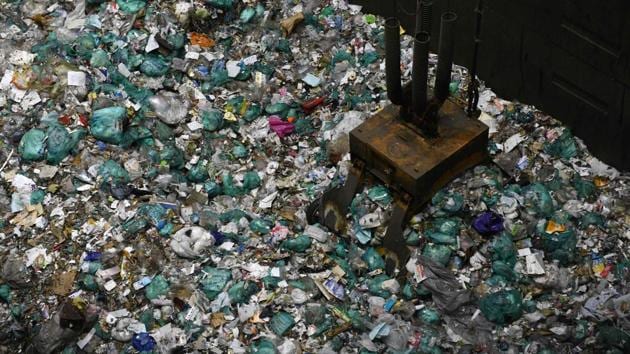
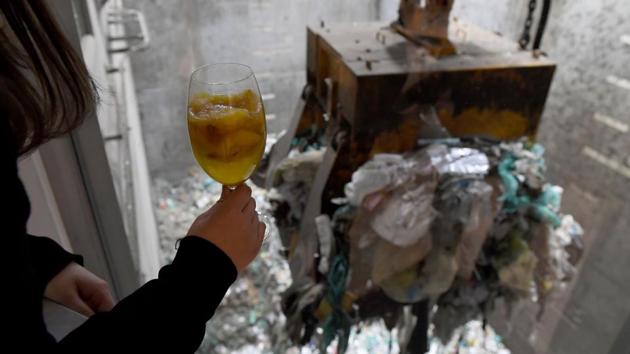
The glass windows in front of them look directly onto a deep pit where tons of garbage is piled for incineration. Every few minutes, an enormous crane descends to the bottom of the pit, then raises up gripping the detritus of daily life: half an Ikea bag, a tie, pieces of cushion foam, torn paper, and plastic bags of every description. (Toshifumi Kitamura / AFP)
3/9
 View Photos in a new improved layout
Updated on Jan 30, 2019 12:02 PM
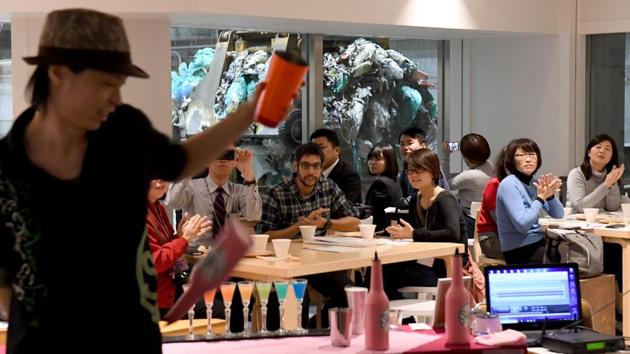
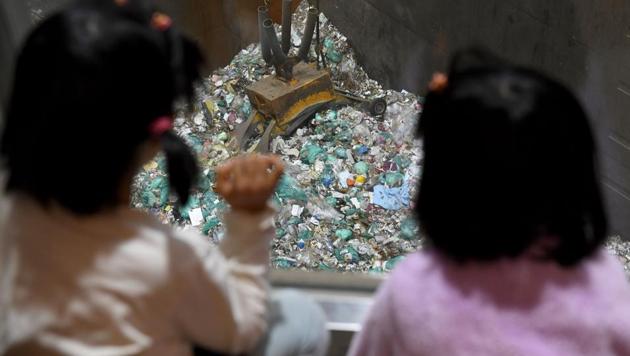
Customers watch the bartender at the Gomi Pit bar in Tokyo. “It’s kind of surprising,” said Isao Tomioka, 49, looking at the swirling waste falling behind the glass. His two daughters, aged six and four, were pressed up against one window watching. (Toshifumi Kitamura / AFP)
4/9
 View Photos in a new improved layout
Updated on Jan 30, 2019 12:02 PM
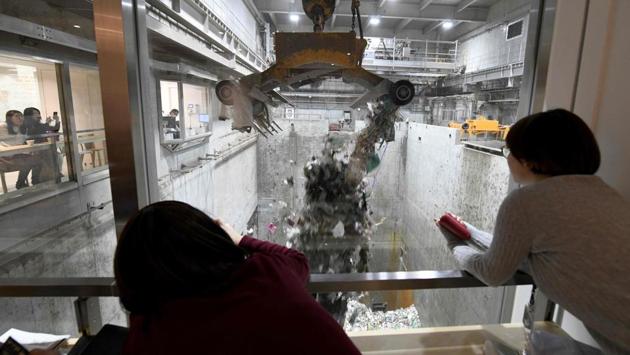
The claw opens to release and mix the trash -- key to ensure the various components burn evenly in the incinerator -- and the pieces dance down through the air, like the most unpleasant snow imaginable. (Toshifumi Kitamura / AFP)
5/9
 View Photos in a new improved layout
Updated on Jan 30, 2019 12:02 PM
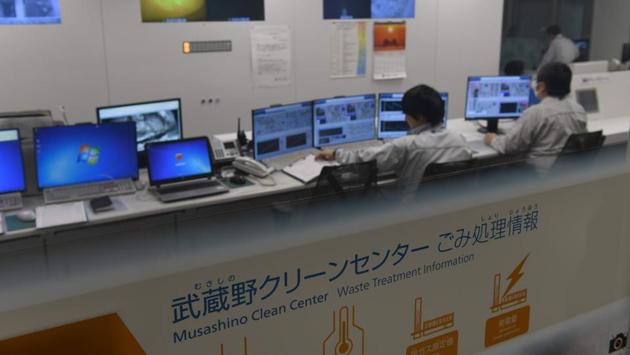
The central control room of the waste pit at the Musashino Clean Centre in Tokyo. Tomioka said he had come to see the facility because he worries about the impact of waste on future generations. “There is some garbage which cannot be burned at all, that garbage must be piled up somewhere, which means that for them it’s a kind of negative legacy from our generation,” he said. (Toshifumi Kitamura / AFP)
6/9
 View Photos in a new improved layout
Updated on Jan 30, 2019 12:02 PM
“Many visitors have expressed surprise. They say they had no idea how the waste they produce is being processed,” said Ayana Seki, an official with the local environmental department. “Many people also say that they were shocked to see so much waste being piled up although each household puts out only a bag or two of trash.” (Toshifumi Kitamura / AFP)
7/9
 View Photos in a new improved layout
Updated on Jan 30, 2019 12:02 PM
Musashino already requires residents to sort their waste into several categories -- a common practice in Japan -- and also charges for the garbage bags that local authorities will collect. It’s a way to encourage people to minimise waste, but local officials hope exposing people to the sight of the accumulated trash will have an even bigger effect. (Toshifumi Kitamura / AFP)
8/9
 View Photos in a new improved layout
Updated on Jan 30, 2019 12:02 PM
Gomi Pit is only temporary, but the facility is open to visitors year-round. It is designed to be attractive, with wooden slats along the facade to mask the concrete shell, and windows at eye level to invite curiosity. The facility didn’t come cheap: 10 billion yen ($91 million) to build and another 10 billion to operate over the next 20 years. (Toshifumi Kitamura / AFP)
9/9
 View Photos in a new improved layout
Updated on Jan 30, 2019 12:02 PM


