
 E-Paper



Photos: Venezuela’s crashing economy turns for hope to broken factories
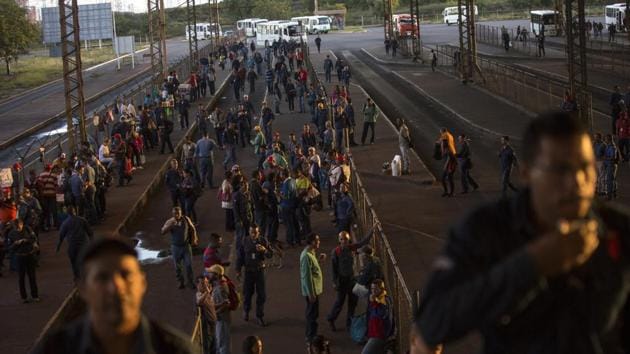
Venezuela sits atop the world's largest oil reserves, but low crude prices and a plunge in production have left it in an economic free fall. In the cash-strapped nation, there's no money to buy spare parts for factories and years of neglect and corrupt management have left in decay Ciudad Guayana, a would-be industrial hub carved from the jungles at the edge of the Amazon.
Updated on: Jan 04, 2018 11:34 AM IST

Share via


Copy link

1/10

 View Photos in a new improved layout
Updated on Jan 04, 2018 11:34 AM
The state-run Sidor, Venezuela’s largest steelmaker stands rusting away in Ciudad Guayana, Venezuela. In cash-strapped Venezuela, years of neglect and corrupt management have left in decay, a would-be industrial capital carved from the jungles at the edge of the Amazon. Production this year at Sidor is expected to barely reach 20% of peaks set a decade ago. (Rodrigo Abd / AP)
2/10
 View Photos in a new improved layout
Updated on Jan 04, 2018 11:34 AM
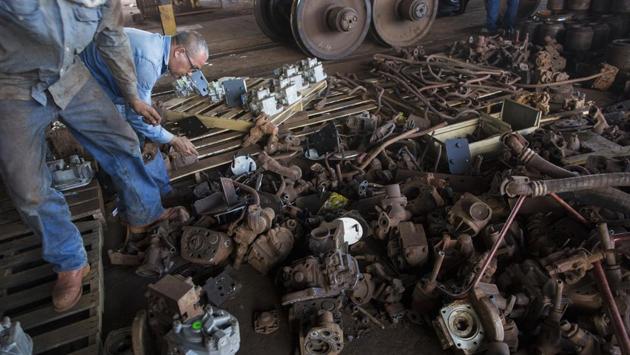
Workers look for spares from a pile of parts cannibalized from other locomotives at Ferrominera Orinoco in Ciudad Guayana. Here, one broken-down locomotive is stripped to repair another in desperate attempts to keep a once-thriving iron ore mining company operational. (Rodrigo Abd / AP)
3/10
 View Photos in a new improved layout
Updated on Jan 04, 2018 11:34 AM
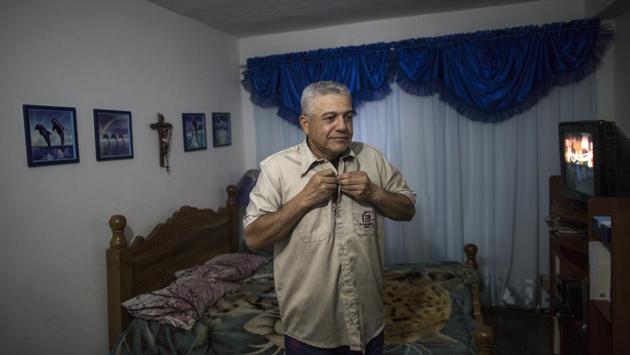
Tony Franco, 50, put on his work shirt after a Sunday lunch with his family ahead of his night shift at Ferrominera, where he has spent 28 years. Nearly two decades ago, President Hugo Chavez launched his socialist revolution. In 2008 he began putting the factories, then owned by conglomerates from Japan and Argentina, under the state’s control. Output steadily eroded even before the oil price crash. (Rodrigo Abd / AP)
4/10
 View Photos in a new improved layout
Updated on Jan 04, 2018 11:34 AM
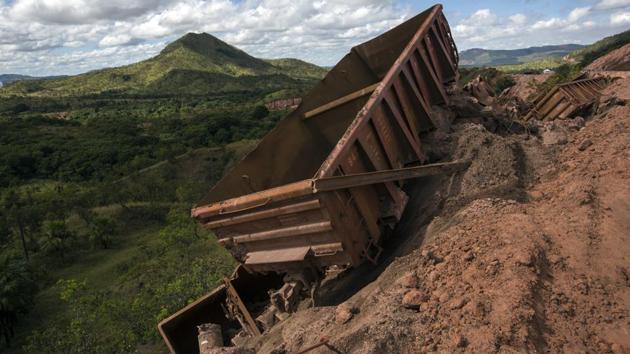
Twisted piles of train cars that once used to transport raw iron ore litter a hillside. They derailed when an engineer was travelling too fast on rails left unmaintained. (Rodrigo Abd / AP)
5/10
 View Photos in a new improved layout
Updated on Jan 04, 2018 11:34 AM
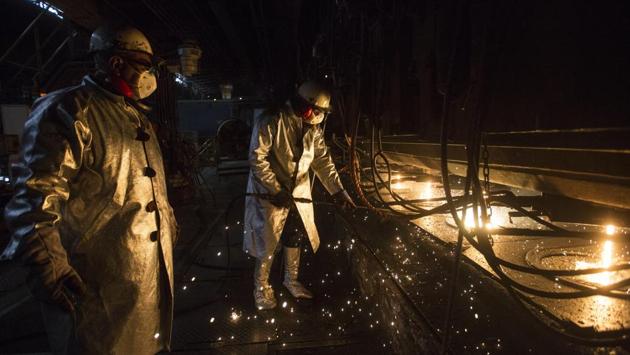
Workers clean the candles, at Sidor’s Palanquilla plant. Only two of the four smelting ovens that make steel bars are functioning at the plant, and workers who once operated around the clock put in just one shift a day now, officials said. (Rodrigo Abd / AP)
6/10
 View Photos in a new improved layout
Updated on Jan 04, 2018 11:34 AM
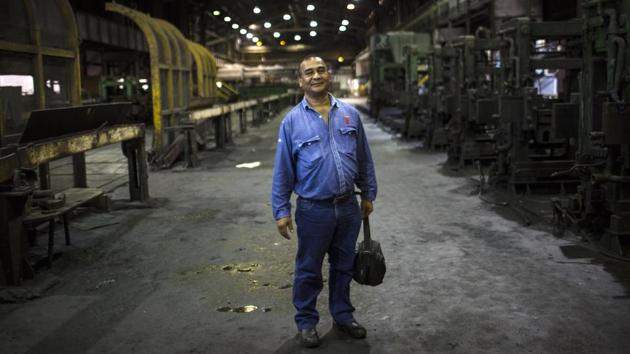
Cesar Brito poses inside Sidor’s Alambron plant where he has worked for 33 years. Venezuela sits atop the world’s largest oil reserves, but low crude prices and a plunge in production have left it in an economic free fall. (Rodrigo Abd / AP)
7/10
 View Photos in a new improved layout
Updated on Jan 04, 2018 11:34 AM
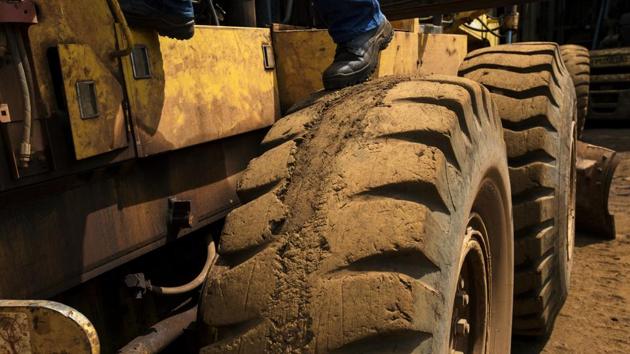
In 1950s, US companies zeroed in on its vast resources, pouring money into factories turning iron ore to steel and bauxite for aluminium as well as rails and river ports for shipping it to market. Today, a massive dump truck that loads ore onto trains to be sent to the foundries --a lynchpin in the cycle-- runs on a tire so badly worn that strips of rubber tread are missing. (Rodrigo Abd / AP)
8/10
 View Photos in a new improved layout
Updated on Jan 04, 2018 11:34 AM
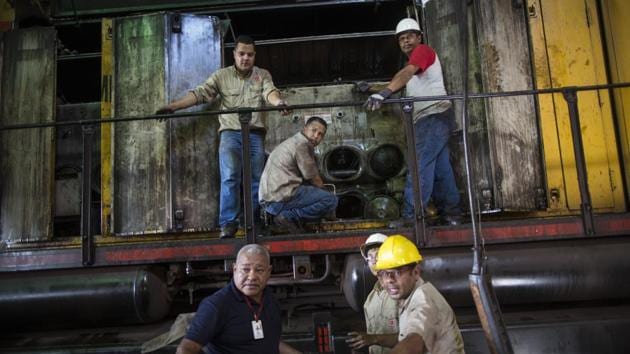
Workers repair a locomotive with salvaged parts at Ferrominera as there’s no money to buy spare parts. Meanwhile, Sidor has been eking out more than the year before, raising hopes of a shifting trend, despite Venezuela’s lack of hard currency and US sanctions that officials say are starving factories of resources. (Rodrigo Abd / AP)
9/10
 View Photos in a new improved layout
Updated on Jan 04, 2018 11:34 AM
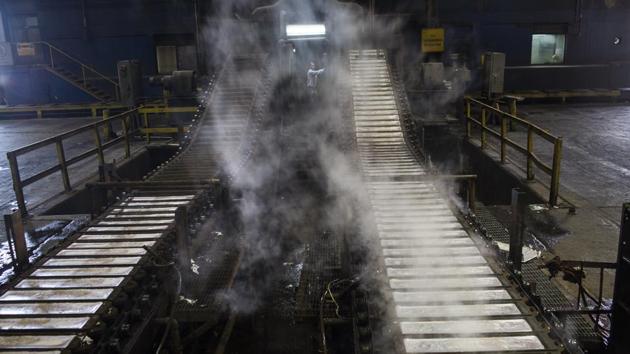
“Chavismo ran all of these companies into the ground,” said Ricardo Hausmann, a Harvard University economist and former Venezuelan planning minister. “This whole thing has been imploding catastrophically.” Hausmann says reviving Venezuela’s industrial base will require abandoning the socialist model and replacing it with a market economy, motivated by supply and demand. (Rodrigo Abd / AP)
10/10
 View Photos in a new improved layout
Updated on Jan 04, 2018 11:34 AM


