
 E-Paper



Photos: Wearing ‘thanaka’ brings a sense of normalcy to Rohingya women
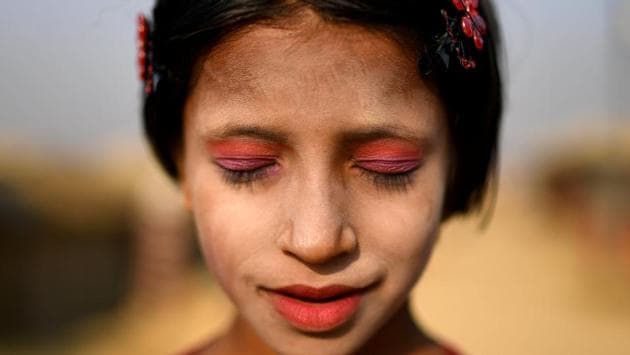
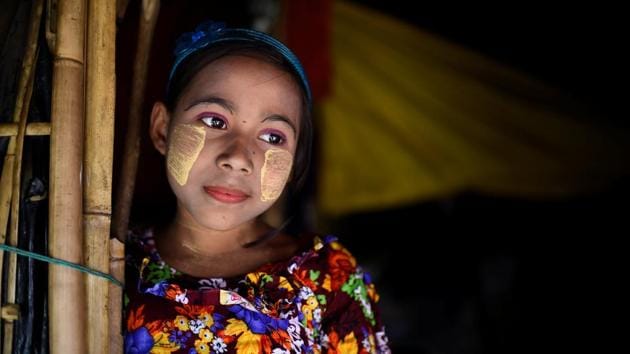
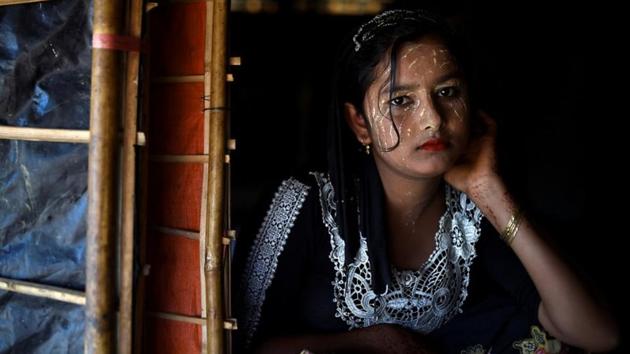
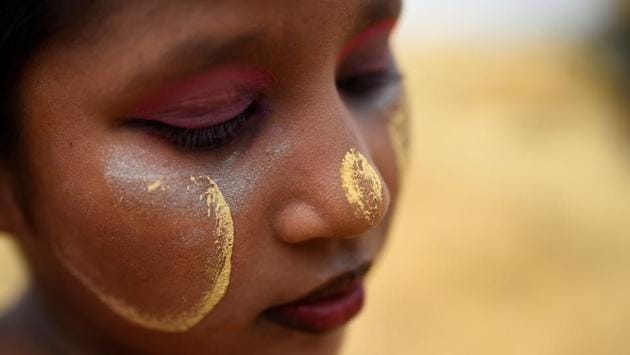
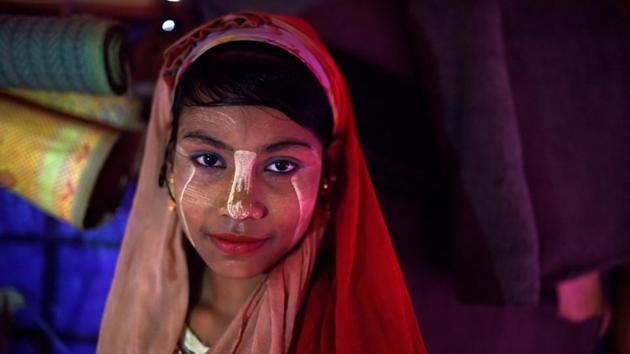
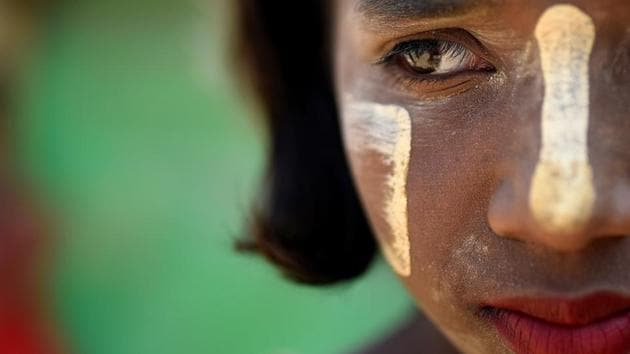
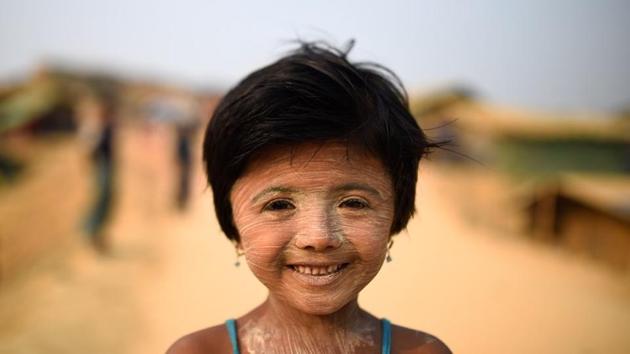
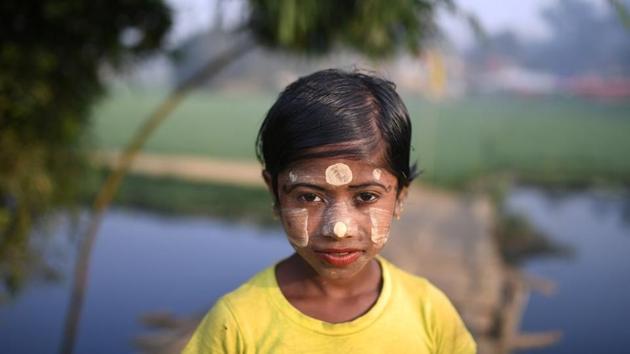
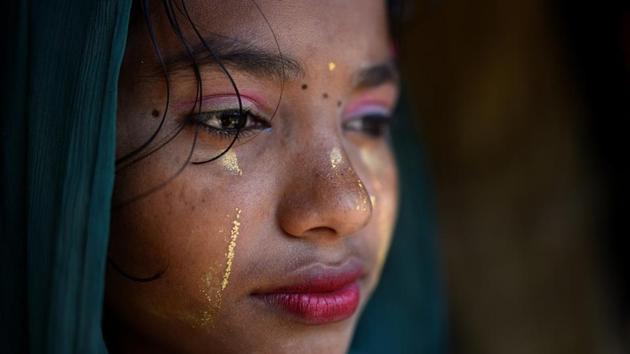
Reuters photographer Clodagh Kilcoyne photographed Rohingya refugee women in the camps of Bangladesh, some who believe the use of the Thanka paste –a traditional milky yellow paste applied to the face –keep their skin smooth and cool, safe from exposure to the sun, and fends off acne. The yellow paste made from ground wood and bark of the Thanaka tree, is a common sight on the faces of the Myanmar’s women and its use is believed to be 2000 years old.
Updated on: Jul 08, 2018 11:15 AM IST

Share via


Copy link

1/9
 View Photos in a new improved layout
Updated on Jul 08, 2018 11:15 AM
A Rohingya refugee girl named Amina poses for a photograph at Kutupalong camp in Cox's Bazaar. Swirls of yellow paste made from ground tree bark decorate the cheeks of Rohingya women and girls in the refugee camps of southern Bangladesh. (Clodagh Kilcoyne / REUTERS)
2/9
 View Photos in a new improved layout
Updated on Jul 08, 2018 11:15 AM
Romzida, 8, at Shamlapur camp in Cox's Bazaar. Thanaka, a type of sun protection that dates back centuries, is a common sight on the faces of the women, who say the use of the traditional cooling paste helps bring a sense of normality to their difficult lives in the camps. (Clodagh Kilcoyne / REUTERS)
3/9
 View Photos in a new improved layout
Updated on Jul 08, 2018 11:15 AM
“The make-up is my hobby, and it’s our tradition,” said Juhara Begum, 13, who arrived in Cox’s Bazar in September last year after fleeing a military attack on her village in Myanmar’s Rakhine state. “I live on top of the hill and it is too hot with the strong sun,” said Juhara, who wore the protective paste on her face. (Clodagh Kilcoyne / REUTERS)
4/9
 View Photos in a new improved layout
Updated on Jul 08, 2018 11:15 AM
Portrait of 10-year-old Majuma as she wears thanaka paste at a refugee camp. There are more than 700,000 Rohingya who have taken shelter in the district after fleeing a military crackdown in Myanmar last year, the United Nations and human rights groups said. (Clodagh Kilcoyne / REUTERS)
5/9
 View Photos in a new improved layout
Updated on Jul 08, 2018 11:15 AM
Senuara Begum, aged 14, at Jamtoli camp in Cox’s Bazaar. Thanaka is produced from the bark of a tree found in the dry central parts of Myanmar. A flat stone called a kyauk pyin is used to grind the bark into a milky yellow paste. (Clodagh Kilcoyne / REUTERS)
6/9
 View Photos in a new improved layout
Updated on Jul 08, 2018 11:15 AM
Portrait of 10-year-old Shamima. The paste is applied to the face in various patterns and dries into a protective layer. While it is used medicinally elsewhere in Asia, women in Myanmar also use it as a cosmetic. (Clodagh Kilcoyne / REUTERS)
7/9
 View Photos in a new improved layout
Updated on Jul 08, 2018 11:15 AM
Nur Kayas, 6, poses for a photograph. Thanaka cream has been used by Burmese women for more than 2000 years. (Clodagh Kilcoyne / REUTERS)
8/9
 View Photos in a new improved layout
Updated on Jul 08, 2018 11:15 AM
9-year-old Zannat Ara, said the paste protected her against the swarms of insects in the Kutupalong refugee camp where she now lives. (Clodagh Kilcoyne / REUTERS)
9/9
 View Photos in a new improved layout
Updated on Jul 08, 2018 11:15 AM


