
 E-Paper



Photos | What North Korea eats: Man-made meat, speed cakes and more
Photo illustrations of foods consumed by North Korean defectors shed light on what millions in the hermit kingdom live on. While a central food distribution system exists, novel creations such as man-made meat are necessary supplements and widespread in the country’s informal markets.
Updated on: Nov 08, 2017 12:19 PM IST

Share via


Copy link

1/13
 View Photos in a new improved layout
Updated on Nov 08, 2017 12:19 PM
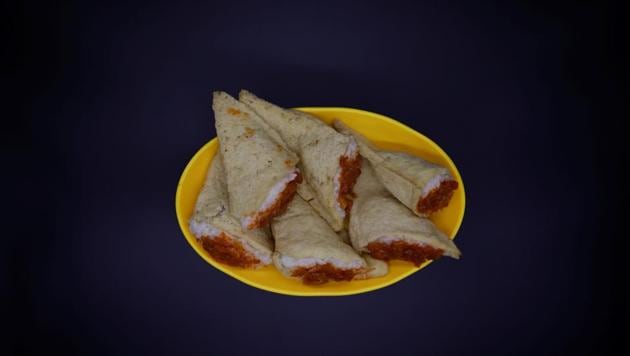
A plate of Dububab, or ‘tofu rice’ found in most markets across North Korea. Tofu skins stuffed with rice are topped with a chilli sauce for a quick fix. Pyongyang says 70% of North Koreans use the state’s central distribution system as their main source of food, the same number that the UN estimates as ‘food insecure.’ But surveys and anecdotal evidence from defectors suggest private markets or jangmadang are the main source of supply for most North Koreans. (Kim Hong-Ji / REUTERS)
2/13
 View Photos in a new improved layout
Updated on Nov 08, 2017 12:19 PM
Packets of packaged North Korean powdered spices in Seoul, South Korea. As the economy in North Korea has changed, so have the tastes of a moneyed middle class keen to try new foods. Kim Jong Un has called for more domestically produced goods, according to state media, and there are more locally made sweets, snacks and candies. (Kim Hong-Ji / REUTERS)
3/13
 View Photos in a new improved layout
Updated on Nov 08, 2017 12:19 PM
North Korean defector Hong Eun-hye demonstrates how North Korean people make rice cakes with corn powder at her North Korean food store in Seoul, South Korea. Eight defectors told Reuters they ate much the same as people in the South. Asked about the contents of their food cupboards, most said they were stocked with privately grown vegetables, locally made snacks and rice, or corn –the staple of the poor. (Kim Hong-Ji / REUTERS)
4/13
 View Photos in a new improved layout
Updated on Nov 08, 2017 12:19 PM
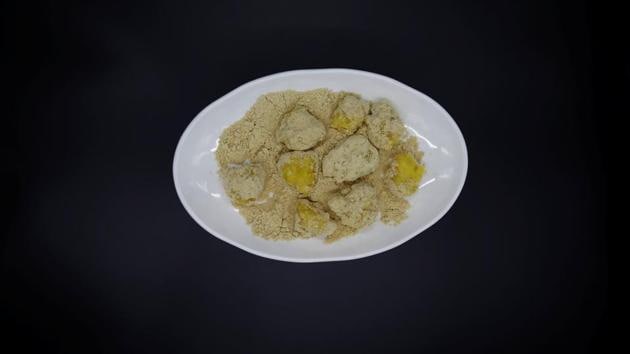
A mix of corn powder and rice used to make dumpling shaped North Korean rice cakes. These are also known as speed cakes as they require no baking and can be prepared in minutes. (Kim Hong-Ji / REUTERS)
5/13
 View Photos in a new improved layout
Updated on Nov 08, 2017 12:19 PM
North Korean candy is seen at a specialty store in Seoul. North Korea does not produce sugar, instead importing its share from China’s global export quota. According to the International Sugar Organization, the North’s sugar consumption is fairly steady at around 89,000-90,000 tonnes a year – a modest amount per head. Each South Korean consumes about nine times more than that. (Kim Hong-Ji / REUTERS)
6/13
 View Photos in a new improved layout
Updated on Nov 08, 2017 12:19 PM
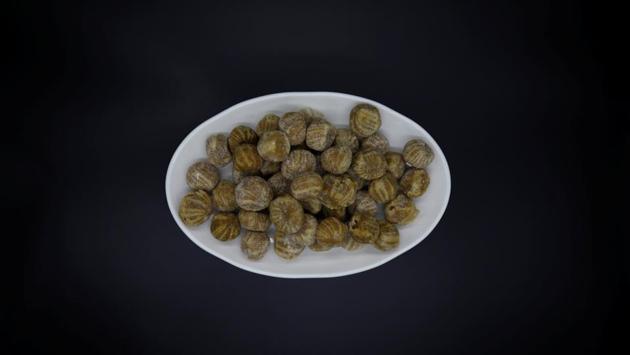
North Korea’s market sellers have long made their own candy. Alsatang is a homemade treat made of sugar and vinegar, similar to traditional sugar plums. Small bags are handed out to school children on special occasions like April 15, the birth anniversary of North Korea’s founding president Kim Il Sung. (Kim Hong-Ji / REUTERS)
7/13
 View Photos in a new improved layout
Updated on Nov 08, 2017 12:19 PM
A sausage made from pig’s blood and stuffed with grains, usually rice, and vegetables, ‘sundae’ is a traditional dish widely available in South and North Korea. Similar flavours are popular in Europe: France has boudin, the UK, black pudding. (Kim Hong-Ji / REUTERS)
8/13
 View Photos in a new improved layout
Updated on Nov 08, 2017 12:19 PM
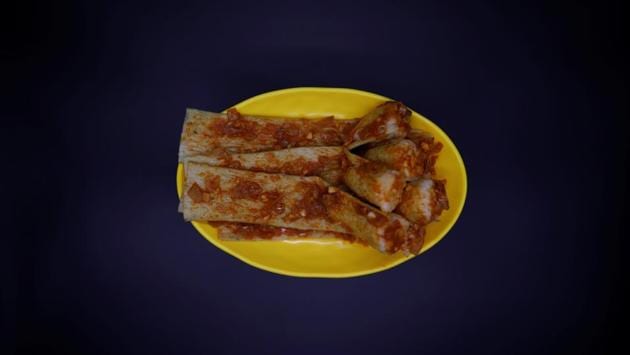
Like dububab, injogigibab is a North Korean street food. It is made of the residue left over from making soybean oil, dried and sold in reels, and stuffed with rice. The topping depends on the region. Some prefer a fish-based sauce, others use chilli paste. Bab means rice, and injogogi means ‘man-made meat.’ In North Korea, for years it was a recipe for survival. Today it is a popular street food. (Kim Hong-Ji / REUTERS)
9/13
 View Photos in a new improved layout
Updated on Nov 08, 2017 12:19 PM
Similar in size and colour to popcorn, kongsatang means ‘bean candy.’ Raw soy beans are roasted then coated with sugar. When sugar is scarce, North Koreans use a kind of glucose made from grapes. Like alsatang, kongsatang are handed out by the state on special occasions. (Kim Hong-Ji / REUTERS)
10/13
 View Photos in a new improved layout
Updated on Nov 08, 2017 12:19 PM
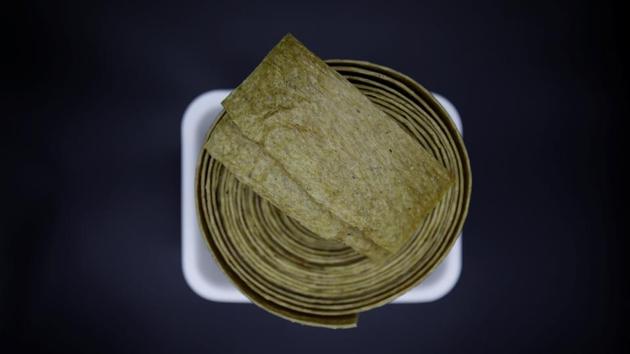
A wound up roll of ‘Injogogi’, which is a textured vegetable protein, at a North Korean food store run by defector Hong Eun-hye in Seoul, South Korea. ‘Back in the day, people had injogogi to fill themselves up as a substitute for meat,’ said Cho Ui-sung, a North Korean who defected to the South in 2014. ‘Now people eat it for its taste.’ (Kim Hong-Ji / REUTERS)
11/13
 View Photos in a new improved layout
Updated on Nov 08, 2017 12:19 PM
A plate of bready ‘finger snacks’ made using flour and water. Similar in texture to ladyfingers, these candied snacks are tough on the outside, and chewy in the middle. They’re made with flour, yeast, sugar and grape glucose. (Kim Hong-Ji / REUTERS)
12/13
 View Photos in a new improved layout
Updated on Nov 08, 2017 12:19 PM
Plates show the North Korean staples of corn and rice --depending on the affluence of the eater-- at a North Korean store in Seoul. Informal markets make it hard to gauge the state of the North Korean economy and impede measuring how sanctions hurt ordinary people. Defectors say a poor corn harvest this year has made it hard for people in rural areas to feed themselves but the opaqueness of markets complicates making estimates for aid efforts. (Kim Hong-Ji / REUTERS)
13/13
 View Photos in a new improved layout
Updated on Nov 08, 2017 12:19 PM


