
 E-Paper



50 per cent of women in Pune district are anaemic: NHS
58 per cent of children between the ages of six months and 59 months are found to be anaemic in the district,


The National Health Survey (NHS), sections of which have been released this week, has found that 50 per cent of women in Pune district are anaemic.
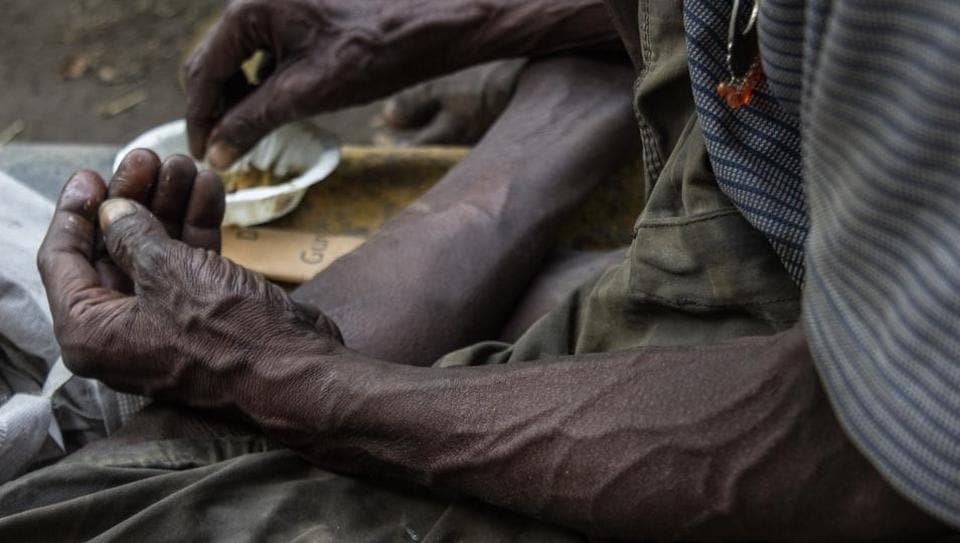
Also, 58 per cent of children between the ages of six months and 59 months are found to be anaemic in the district, as per the survey.
Across Maharashtra, 21 per cent of men are also found to have an iron deficiency, causing anaemia. The scenario is equally bad in urban areas where anaemia affects over 50 per cent the women in the state.
Dr Nina Mansukhani, a city-based gynaecologist, said that anaemia can be caused by deficiency of iron and B12.
“In case of pregnant women, anaemia can lead to underweight newborns. Moreover, in India the maternal mortality rate is also high. And one of the major reasons for that is anaemia among pregnant women. During labour, women lose a lot of blood which leads to complications and even death. All of this can be simply stopped by getting a full check-up done before pregnancy. If there are any deficiencies it can be addressed,” said Dr Mansukhani.
She highlighted that often, in rural areas, women do not eat properly, which leads to an iron and B12 deficiency.
“In urban areas, women do not consume nutritional food and do not have a healthy balanced diet. This causes a B12 deficiency which leads to anaemia. Proper healthy diet and exercise is a must for women who want to conceive,” said Dr Mansukhani.
Dr Mahendra Dadke, general physician with Jupiter Hospital in Pune, said that because of iron deficiency, the red blood cells (RBC) reduce in size and because of B12 deficiency, RBCs tend to increase in size.
“Because of anaemia, organs can be affected in different ways. Hence, a healthy balanced diet is important. During the pandemic, we have realised the importance of strong immunity and a healthy lifestyle. It is imperative to maintain a good lifestyle to keep all sorts of infections, including Covid at bay,” said Dr Dadke.
He added that general symptoms of anaemia are fatigue, exertion, inability to concentrate, swelling of the feet, giddiness and irritability.
“This not only affects your personal life but reduces your productivity in work as well. In case you have low iron and low haemoglobin, you may suffer from breathlessness when you are Covid positive,” added Dr Dadke.
Green leafy vegetables can help increase iron levels. “Along with that, you may include dates and jaggery. If your diet is vegetarian, then focusing on your B12 levels is important,” said Dr Dadke.
Iron-deficiency anaemia: A wake-up call
Latest National Health Survey (NHS) finds 50 per cent of women in Pune district are anaemic
Pune district (2019-2020) (in %) --NHS-4 (2015-2016) (in %)
* Children age 6-59 months who are anaemic -- 58.7--53.4
*Non-pregnant women age 15-49 years who are anaemic--53.2--50.4
*All women age 15-49 years who are anaemic-- 51.9--50.0
* All women age 15-19 years who are anaemic--58.6--48.4
*In Maharashtra state -- NHS -5 (2019-2020) (in%) Urban--Rural-- Total-- NHS -4 (2015-2016) (in %)
*Children age 6-59 months who are anaemic--66.3--70.7--68.9--53.8
*Non-pregnant women age 15-49 years who are anaemic-- 52.3--56.4--54.5--47.9
*Pregnant women age 15-49 years who are anaemic--44.2 -- 46.5 -- 45.7 -- 49.3
*All women aged 15-49 years who are anaemic -- 52.0-- 56.1 -- 54.2 -- 48.0
* All women aged 15-19 years who are anaemic --56.4 -- 57.7 -- 57.2 -- 49.7
*Men aged 15-49 years who are anaemic -- 17.4--25.4--21.9--17.7
* Men aged 15-19 years who are anaemic -- 19.0--34.2--27.9--27.5
Source: Ministry of Health and Family Welfare


