
 E-Paper



Caste system fossilised, finds Pune study
Eight scholars from India and Japan worked together to bring out a bilingual book which is to be published soon


Centre for Asian studies, in Savitribai Phule Pune University (SPPU) and Japan Society for promotion of science sponsored a project titled Construction of Caste in Modern Maharashtra. The project involved case studies which found out that caste system lost its flexibility after the colonial rule began. Earlier- there were cases of social mobility but later- with census and other mechanisms of enumeration in place, caste became fossilised.
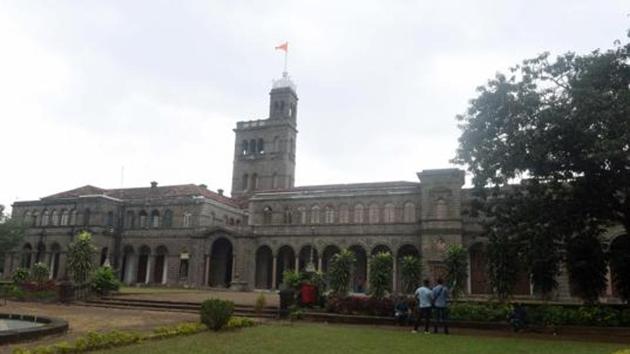
For two years, eight scholars from India and Japan worked together to bring out a bilingual book which is to be published soon. Scholars like Michihiro Ogawa, Reiko Iida, Matsuo Mizuho and Kyosuke Adachi formed the Japanese team while SPPU was represented by Shraddha Kumbhojkar, Chandrakant Abhang, Devkumar Ahire and Amrut Salunkhe.
Shraddha Kumbhojkar, department head, history at Savitribai Phule Pune University said that the project brought together historians and anthropologists giving a platform to discuss about various castes and their impact.
Speaking to the media, Michihiro Ogawa professor from Kanazawa University who also speaks impeccable Marathi and has learnt the Modi script said, “I have been studying the Peshwa period until British and its impact on the caste systems. I started my Ph.D in 2007 and it took me 6 years to complete it. There are many documents of the Peshwa reign in Modi Script and it helped me to understand the rule and how it had affected people then.”
Kyoto University’s Reiko Iida spoke about her Ph.D subject on Tamasha and especially concentrating on women from lower strata of the society. Her studies focussed on not just dalits but on many other backward class (OBC) women too. Iida said that her work in the project highlighted the impact of the OBSs on the caste system.


