
 E-Paper



Climbing is in my blood, says Pune rock climber Tuhin Satarkar
Satarkar is climbing mountain faces for first time and then documenting it in detail for others to follow


Climbing is in my blood,” is the short answer for Tuhin Satarkar – the Pune rock climber who today lays claim to being the first man to scale three virgin rock-faces on the Sahayadri mountain range, in the span of eight days.
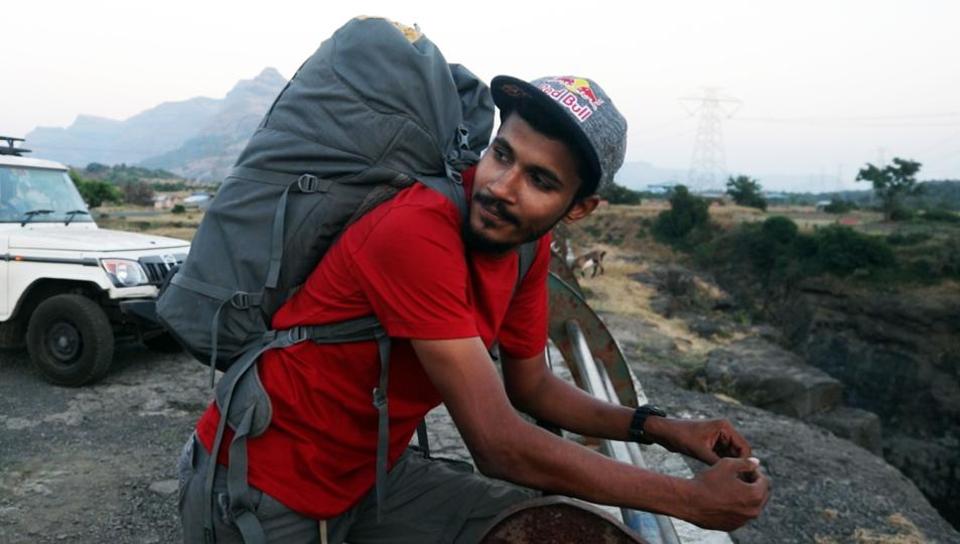
Each wall on the Sahyadri climb was between 700 feet and 800 feet. “We spent one day establishing each route. After that, one day to climb each wall. The walls we climbed were at Naneghat, Jivdhan and Dhodap,” Satarkar says.
In rock climbing terms, that no one has attempted that in the past speaks of Satarkar’s prowess as an emerging climbing star. Satarkar has been part of the Indian national climbing team from 2007-2011, and represented India in the Asian championships and the 2016 Sport climbing world cup held in Mumbai.
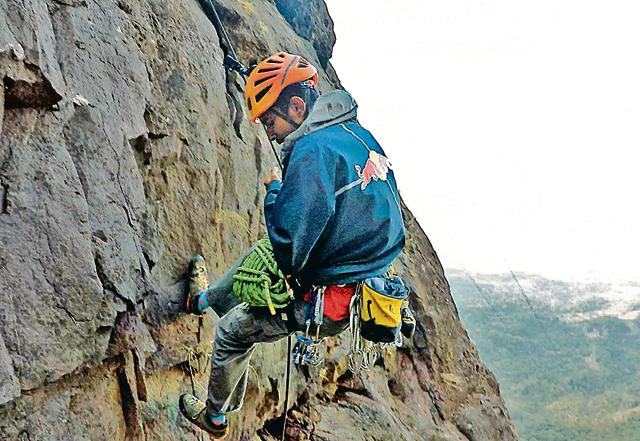
For the 23-year-old resident of Senapati Bapat road, all that now seems like an intense warm-up-cum-training for the Sahayadri challenge, which he successfully negotiated in November; and also for the mountain faces across the world that beckon.
“I started climbing in the Sahyadris and my first climb itself was Sinhagad. Being from Maharashtra, I have grown up hearing stories of Shivaji Maharaj and his forts. I found it interesting to try to climb the same mountains,” says Satarkar.
Now a Red Bull-sponsored athlete, Satarkar points out that, “all three walls which we climbed were all virgin routes”, for his Sahyadri challenge.
“These routes were not the easiest, but we wanted to challenge ourselves,” he adds.
The Sahyadri ranges mostly consist of basalt rock so, “the rock here is super loose, so we saw huge pieces of rock falling while we were climbing. A few fell on my back, and I also injured my knee,” says Satarkar.
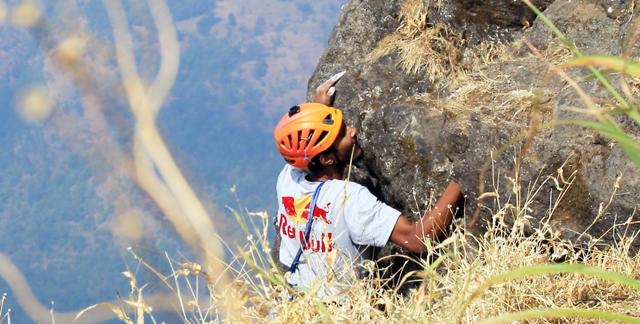
“When I started there were only two categories - under- and above 18. Since I was six-years old at the time, I used to come last. In 2007, I won a medal at the nationals in the sub-junior category, and it was then that I started thinking about pursuing climbing as a professional career.”
“My parents started climbing in their late teens, and have climbed extensively outdoors as well as in competitions. My father, Vikas Satarkar, has been instrumental in opening up routes in the Sahyadris and is one of the well-known climbers of his generation. My mother, Manjiri Satarkar, was a national-level climber as well,” says Satarkar.
Training to climb
Tuhin Satarkar trains at a climbing gym that he started with friends on Senpati Bapat road. “My fitness regime mostly consists only of climbing and other complementary exercises. I try to climb twice a day in the climbing gym, and when the weather is good, climb outdoors on the weekends. I find that this helps me train best,” says Satarkar, adding, “I still like competition climbing, but I enjoy climbing outside. Since there are no restrictions and it’s just you and the rock, it is a completely different challenge.”
Satarkar also works at an NGO for animals at Bhugaon. “ResQ Charitable Trust is an organisation where we run a hospital for sick and injured street animals.” added Satarkar.
Climbing needs to be well documented
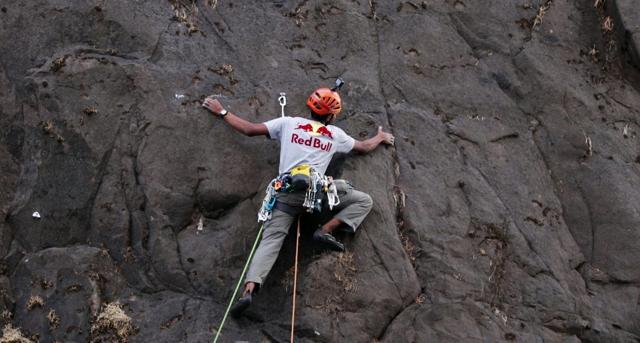
“Most of the climbs in this country are not documented well. People climb in various places, but they don’t document it properly. When my friends and I climb outdoors, we try to make it a point to document our climbs which can be accessed by other interested climbers.
“We want to develop a community which includes locals, so tomorrow, if people want to climb there, someone is around to guide them,” added Satarkar.
Sport climbing has been included in the Tokyo 2020 Olympics and Satarkar says, “This could be really beneficial to climbing. Not many people are aware about this sport, especially in India, but hopefully now more people will get interested.”
Sport climbing in the Olympics consists of three disciplines: Lead climbing, Bouldering, and Speed climbing. An athlete must compete in all the disciplines in order to qualify and potentially win a medal at the Olympics. Forty of the world’s top climbers will be competing in Tokyo 2020.


