
 E-Paper



Monday Musings: Now, add flood management to the list of our critical needs
What we need is rule of law to prevent encroachment on river banks and floodline; strict action against builders who dump debris on river bed and better management of dams


For more than two decades now, especially after the effects of economic liberalisation became evident, our cities started growing at a rapid pace. Along with it came the problems of rising volume of garbage, traffic congestion and water scarcity.
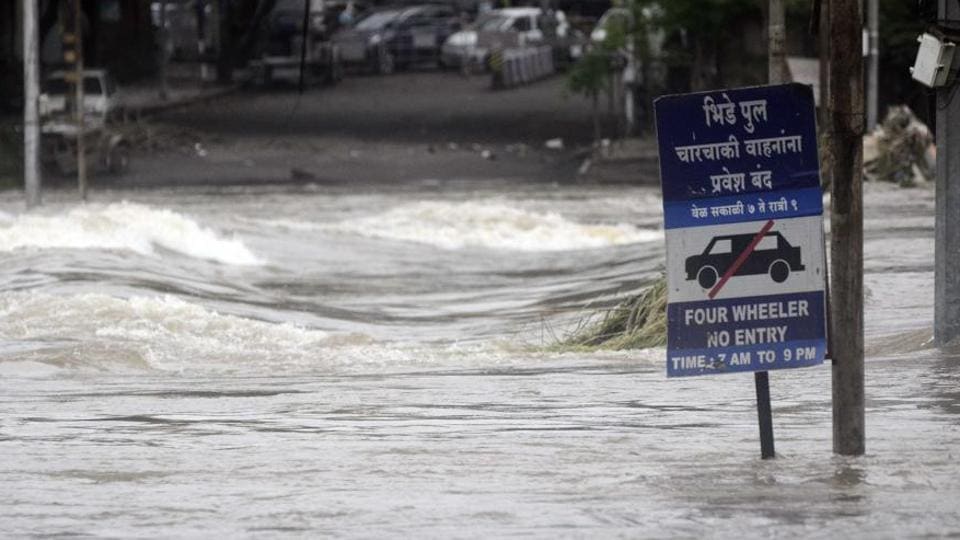
Especially in the case of a city like Pune, we have been in need of better garbage management, better traffic management and better water management. Now we may as well add ‘better flood management’ to the list of the critical needs of our city.
It is not just Pune, but a number of prominent cities like Mumbai and regions like Sangli and Kolhapur in Maharashtra that are in need of better flood management. Elsewhere in the country, it is states like Karnataka, Tamil Nadu, Kerala, Bihar and Assam, among others, which are in need of better flood control and management.
Clearly, the problem of annual floods has worsened in recent years because of climate change. There is evidence to show that there is an increasing trend of high intensity rainfall over a short span of time. Thus, the 2005 deluge in Mumbai, the 2013 cloudburst followed by landslides and floods in Uttarakhand, the 2018 landslides in Kerala and now, the 2019 floods in different parts of the country can all be primarily attributed to high intensity rainfall.
However, there are at least three other factors that are responsible for the havoc caused by floods in our country. In Pune and Pimpri-Chinchwad, for example, there’s the issue of floodline violation at many spots along the Mula-Mutha and Pavana rivers. It is not only the city activists, but also the municipal commissioner Saurabh Rao who has acknowledged this fact. The choking of stormwater drains because of garbage and plastic waste continues to be an issue as does that of the closing or diversion of natural streams by unscrupulous builders.
The horrific floods and landslides in Uttarakhand (2013) and Kerala (2018) were attributed by experts to rampant illegal constructions, especially along the river banks, widespread stone quarrying and destruction of forests in the Western Ghats.
In Sangli and Kolhapur, as also in neighbouring Karnataka, it is largely the mismanagement of dams that led to the havoc we are all witness to. Water was released from the Koyna, Radhanagri and Warna dams only after they were filled to capacity leading to the floods in Sangli and Kolhapur districts. Experts have asked, why was the water not released when the dams were filled to 50% capacity within the first two months of the monsoon and with two more months of rainfall in store?
Given that high intensity rainfall has now become an annual feature, it will no longer suffice for the state’s chief minister and the top bureaucrats to blame floods on climate change.
What we need is the rule of law- a theme that runs consistently and persistently like a broken record in these columns. We need the rule of the law to prevent encroachment of the river banks within the floodline and the natural streams that run in the city; we need strict action against builders who regularly dump debris in the river bed and we need better management of our dams.
Unless this is delivered by the government in power and the bureaucracy at its command, we will have no relief from the recurring, annual nightmare, loss of human life, livestock and widespread destruction caused by floods in our country.
abhay.vaidya@hindustantimes.com


