
 E-Paper



Study claims transit access to Pune slums is the lowest at 23%
The research was based on how many citizens in Pune, have access to frequent public transport service


According to a study conducted by Transportation and Development Policy (ITDP), Pune, transit access to slums in Pune is the lowest at 23 per cent. The study called ‘People Near Transit, Transit Near People’ was released on Friday.
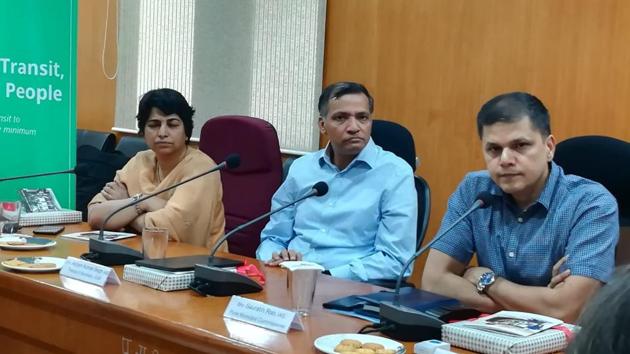
The research was based on how many citizens in Pune, have access to frequent public transport service. The research will be helpful for Pune Mahanagar Parivahan Mahamandal Ltd (PMPML) to redesign the bus operations plan and for Pune Municipal Corporation (PMC) in integrating land use with transit.
Present for the analysis were Ashish Kumar Singh, principal secretary, state transport department; Saurabh Rao, municipal commissioner; Nayana Gunde, PMPML chairman and representatives from various Pune-based NGOs.
Pranjali Deshpande, senior programme manager, urban works institute, ITDP explained,“This analysis was based on the open data from PMC. The study also used sources like PMPML for bus stop locations, google maps for BRTS corridors, metro corridors, and stations from Pune Metro Rail Corporation Satellite imagery. The data of the slums was taken from PMC.”
“According to the study, 96 per cent of people have access to some form of public transport but only 66 percent of people have access to PMPML frequent transit. This study was done using key transit areas like Dhanori, Vimannagar,Kalyaninagar,Warje Wakad, Pradhikaran and Talawade, The people near transit (PNT) is calculated in terms of percentage of people living within 500m walking distance of transit routes.” Deshpande added.
In this study, it was found that 40 per cent of school children in Pune don’t have access to frequent public transport. This was seen in areas like Kondhwa bypass, Dhanori and Balewadi. Similarly 38 per cent of employment centres (commercial, public , semi-public and Industrial) too are not accessible by frequent transit.
Though the mobility corridors have been planned by PMC to provide good scheduled frequencies, the study suggested that it is important to provide better frequencies. In its conclusion, the study stated that there should be a revision in bus service plan.
Commenting on the study, Singh said, “ It has been a challenge to look at mobility and it has not taken centre stage. Public transport has somehow taken a back-seat while Metro has taken precedent. I am not sure what we are proposing with Metro is enough, but, will plan a budget for PMPML to make it more efficient and look at hiring more buses.”
He also said that the quality of PMPML buses has deteriorated but will look at improving the same at the earliest.
Statistics
23% of people living in notified slums in Pune don’t have access to frequent public transport
40% of school children in Pune don’t have access to frequent public transport
38% of employment centres (Commercial, Publicsemi Public and Industrial) not accessible by frequent transit


