E-Paper



₹2.45 lakh salary, ₹1.4 crore apartment: Bengaluru techie’s first-home bet triggers online debate
A Bengaluru techie's decision to purchase a ₹1.4 crore apartment while earning ₹2.45 lakh per month has sparked a heated online debate

 Prefer HTon Google


A ₹1.4 crore first-home purchase by a Bengaluru-based software engineer earning ₹2.45 lakh per month has sparked a debate online, with users divided on whether the move is financially prudent or dangerously close to over-leveraging.
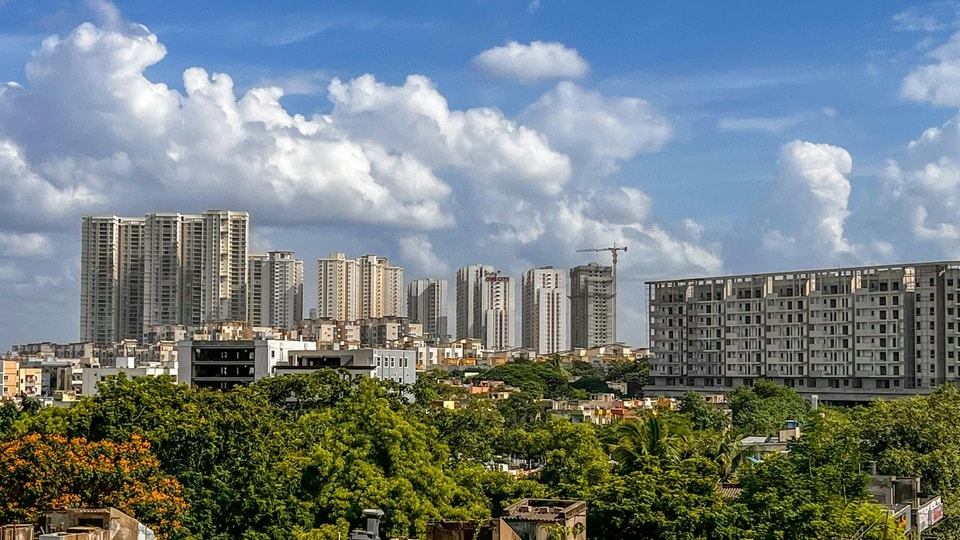
The 31-year-old, with a monthly take-home of ₹2.45 lakh, a spouse, and a two-year-old child, outlined plans to buy a 3BHK for self-use with a 15% down payment. expected possession next year. With an existing car loan, an emergency fund of ₹6 lakh, and limited earmarked savings for future expenses, the post drew detailed financial scrutiny.
“I’m a 31 y/o software engineer, married with a 2-year-old kid. Looking for some perspective before I make a big financial decision. Current situation: Monthly take-home: ₹2.45L. Family: 3 members. Existing car loan: ₹5L outstanding. Savings: over 15% ready for down payment,” the post said.
EMI burden under the lens, say Redditors
Several Redditors broke down the numbers to highlight how stretched the finances could become once all costs are factored in.
One user calculated: “Home loan ( ₹1.1Cr) so about ~ ₹72K EMI… So yeah, it’s doable, but pretty tight. You’ll need to be very disciplined financially.”
Another warned that the headline property cost understates the real outgo. “A ₹1.4 Cr home will realistically cost about ₹1.55–1.6 Cr with all extras. Your EMI will likely land around ₹1.1L, which is about 45% of your income. That’s manageable, but not comfortable long-term.”
Additional expenses, interiors, maintenance, parking, and miscellaneous charges were flagged as potential stress points. One Redditor noted that buyers may need “over 50-55L to buy a 1.4Cr flat (inclusive of 15% down payment).”
Can wait, say Redditors as opinions split
While some users encouraged proceeding with discipline, others suggested holding off.
“My suggestion, the deal does not seem viable for you… you will be left with very little to invest and keep some for emergencies,” one of the users said, cautioning that rising inflation could push home loan rates higher. The same user advised waiting until the project is complete and building a larger corpus.
In contrast, another took a more optimistic stance: “Pretty decent plan. Only suggestion is see if you can remit the remaining portion… at the time of handover… This would help you save more for registration and interiors.”
Beyond affordability, Redditors emphasised financial resilience. “You’re not over-leveraging, but you’re definitely close to the edge,” one user observed, recommending increasing the down payment to 20–25% and strengthening emergency reserves.
Another laid out decision checkpoints: “Job security for 3 to 5 years. Ability to pay EMIs from the emergency fund. Annual salary growth. Ability to meet recurring expenses after considering EMIs.”
Financial experts weigh in
Financial planner Suresh Sadagopan said that decisions of this scale should be anchored in a clear assessment of income stability, existing liabilities and available liquidity before taking on additional commitments.
He noted that for a monthly income, an EMI burden at roughly one-third of earnings is not inherently risky. “Broadly speaking, if someone is earning a steady monthly income and roughly one-third of that goes toward EMIs, it can still be manageable,” he said.
However, Sadagopan cautioned against overexposure to a single asset class. While property values may rise over time, allocating a disproportionate share of wealth to real estate increases concentration risk. “The concern here is that most of the capital is being tied up in one asset class. If too much money goes into property, it effectively becomes putting all your eggs in one basket,” he explained.
For dual-income households, Sadagopan advised aligning expense sharing with income levels rather than splitting costs equally. “Where partners earn unequally, expenses should be divided in proportion to their earnings. For instance, in a household with ₹3 lakh in combined income split between ₹1 lakh and ₹2 lakh earners, the higher earner should shoulder a larger share.”
Income certainty remains another critical variable. In a volatile job market, any disruption to earnings can quickly strain finances. “If one of the two loses their job, household finances could become strained. When you have ongoing EMIs, the ability to service those payments must be considered carefully,” he said.
(Disclaimer: This report is based on user-generated content from social media. HT.com has not independently verified the claims and does not endorse them)