E-Paper



Beyond the metros: Why Tier 2 cities are rivalling big cities in retail growth
Tier 2 cities like Chandigarh, Kochi, and Vizag are emerging as retail hubs as strong demand and rising incomes boost occupancy and rentals

 Prefer HTon Google


India’s retail mall segment is undergoing a structural shift, with Tier 2 cities rapidly emerging as strong performers, even as metros retain the majority of the organised shopping centre stock. Powered by rising incomes and aspirational spending, cities such as Chandigarh, Kochi, Visakhapatnam, and Surat are now seeing rentals that rival those of several Tier 1 markets, driven by surging demand and shifting consumer behaviour.
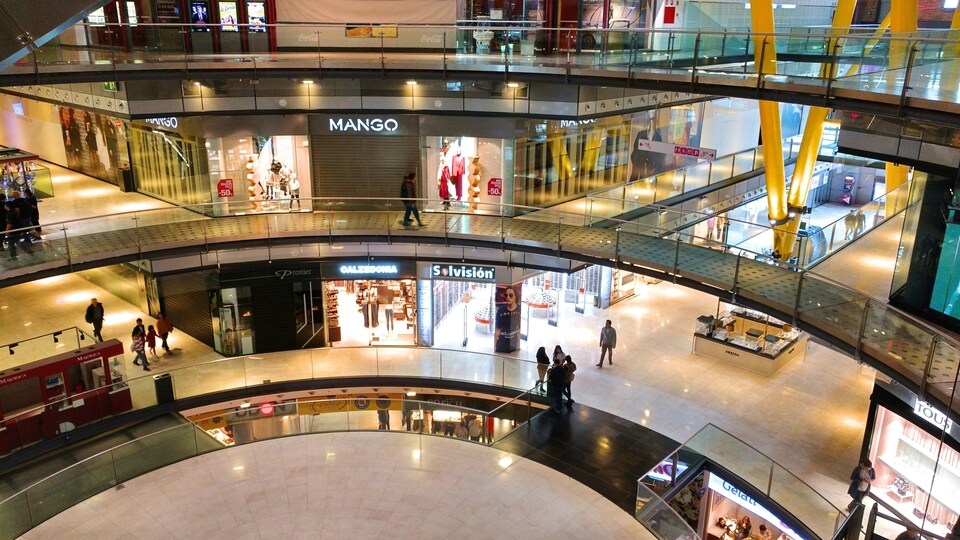
Knight Frank India’s 'Think India, Think Retail 2025 – Value Capture' report showed that several Tier 2 markets now match, and in some cases outperform, their Tier 1 counterparts on key indicators such as mall occupancy, tenant stability, and balanced retail supply.
“The gap between high-quality malls and weaker, outdated centres is even sharper in Tier 2 cities, where modern new developments are outperforming older shopping centres that are unable to keep up with evolving consumer expectations,” Ankita Sood, national director and head of research at Knight Frank India, told Hindustan Times Real Estate.
Tier 2 cities are facing a growing imbalance between strong retailer demand and limited new Grade A mall supply. “This mismatch, strong demand versus constrained fresh supply, is especially evident in Tier 2 cities, where many national and international brands are eager to establish a presence but find few suitable modern centres to operate in. The gap is prompting stakeholders to take a second look at older properties,” she said.
Also Read: India’s ‘ghost malls’ hold ₹357-crore rental potential, says Knight Frank report
Tier 2 cities are catching up with Tier 1 cities in terms of rentals, demand
Sood said several cities like Chandigarh, Kochi, Vizag, Surat and Kochi, rentals that are almost at par with several Tier 1 cities due to growing demand and changing consumption behaviours. She emphasised that the surge in mall penetration in Tier 2 cities is primarily driven by demand.
“Rising household incomes, a growing aspirational middle class and rapid urbanisation are driving stronger consumption across smaller cities. Developers have also adopted a more calibrated approach in these markets, adding high-quality malls only where demand justifies it, which keeps vacancies low and tenant mixes healthy. When major brands see sales coming in from Tier 2 cities, they want to also be physically present, leading to deeper penetration in Tier 2 cities,” Sood said.
In Kochi, Grade A mall rentals range between ₹80 and ₹175 per sq ft, supported by strong footfalls and a well-established, organised retail ecosystem. Jaipur records a slightly lower range of ₹60 to ₹150 per sq ft, driven by rising consumption but moderated by a more value-conscious shopper base.
Northern markets such as Chandigarh command higher rentals of ₹100 to ₹175 per sq ft, sustained by strong brand penetration and a premium-leaning consumer profile. On the East Coast, Visakhapatnam (Vizag) is also showing healthy traction, with rentals ranging between ₹70 and ₹150 per sq ft, backed by the steady expansion of modern retail formats and improving urban infrastructure.
In western India, Surat, a fast-growing textile and jewellery hub, records rentals ranging from ₹50 to ₹150 per sq ft, reflecting a mix of traditional retail dominance and growing demand for organised shopping environments. Lucknow, emerging as one of the most promising consumption centres in the north, commands rentals between ₹70 and ₹175 per sq ft due to rising income levels and increasing preference for branded retail.
Meanwhile, Indore sits in the mid-range, with prices ranging from ₹60 to ₹140 per sq ft, supported by its status as a regional commercial hub. Ludhiana, however, sees relatively lower rentals of ₹40 to ₹100 per sq ft, influenced by legacy shopping formats and slower transition toward large-scale organised retail spaces.
Also Read: India’s retail leasing jumps 45% YoY in Q3 2025; Mumbai leads with 24.5% share
Consumption growth is driving Tier 2 momentum
Despite metros continuing to attract a majority of global retailers and premium tenants, Tier 2 markets remain driven by rising household incomes, aspirational consumption and strong catchment growth, experts said. Balanced supply and fewer competing centres enable malls in these cities to achieve near-optimal occupancy and strong tenant retention.
Tier 2 cities show the least vacancy pan-India
A Knight Frank report stated that Mysuru, Vijayawada, Vadodara, Thiruvananthapuram, and Visakhapatnam have emerged as the most resilient retail markets in the country, with shopping centres in these cities operating at almost full occupancy and maintaining strong, balanced tenant mixes. Mysuru stands out with a vacancy level of just 2 percent, supported by extremely limited supply and consistently high footfalls. Vijayawada and Vadodara show similarly robust performance, benefiting from cautious supply additions and steady growth in consumer spending.
In contrast, cities like Nagpur, Amritsar and Jalandhar highlight the risks of unchecked expansion and weak retail planning. Vacancy levels in these markets, at 49 per cent in Nagpur, 41 per cent in Amritsar, and 34 per cent in Jalandhar, reflect oversupply, a lack of strong anchor tenants, and intense competition among multiple large malls chasing the same set of retailers.
Oversupply and ageing assets hurt Tier 1 performance
In contrast, the report points out that several Tier 1 cities face challenges in the form of ghost malls, obsolete layouts and ageing centres failing to keep up with consumer expectations. Across India’s 365 operational shopping centres, 74 have been classified as ghost malls, many of which are located in top cities with older stock and weak anchors.