
 E-Paper



Budget 2026: Retail real estate seeks infra push to drive expansion in Tier 2 and 3 cities
Retailers hope Budget 2026 boosts infra spend, with more investment in metros, railways, highways and airports to improve mall access and create new retail hubs

 Prefer HTon Google


The proposed India–EU trade deal is expected to gradually lower costs for fashion, lifestyle and food brands trading between the two regions, paving the way for more international labels in Indian malls and opening up opportunities for Indian exporters. However, it is also likely to intensify competition for domestic players in categories such as cosmetics, spirits and premium foods.
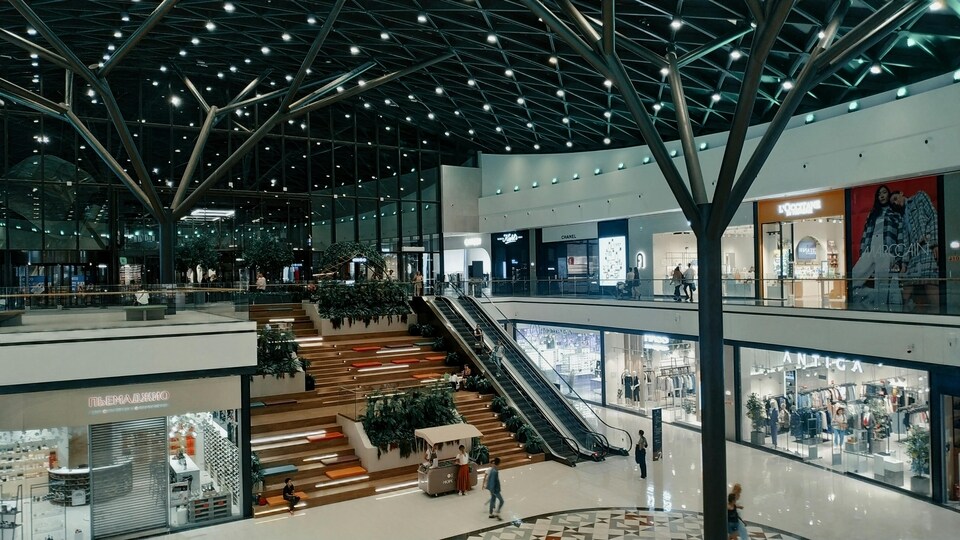
Against this backdrop, the retail sector hopes Union Budget 2026 will help create a more level playing field by fine-tuning taxes, duties and incentives. The industry is looking for measures that ease doing business, spur consumption, and support expansion through an infrastructure push into smaller cities, without straining the fiscal math.
Also Read: Budget 2026: Senior living real estate pitches for infra status and pension-linked support
Infrastructure and the rise of smaller cities
Infrastructure spending remains a key expectation from the Union Budget 2026. Continued investments in metro rail, highways, airports and regional rail networks are seen as vital to improving access to malls and high streets, while also creating new retail catchments around transport nodes and interchanges, retail experts say.
They pointed out that the next phase of retail growth will increasingly come from tier-2 and tier-3 cities, driving demand for mid-sized shopping centres, retail-cum-warehouse hubs and developments aligned with mobility corridors.
“Retail follows people and connectivity. The Budget can obviously not dictate exactly where every mall or high street should be developed and prosper; however, it can keep money flowing into projects that directly and indirectly benefit the retail sector. Good public transport and roads make it easier for people to reach malls and high streets, and they create new locations where retail can thrive around stations and interchanges,” said Anuj Kejriwal, CEO - Retail Leasing and Industrial and Logistics, ANAROCK Group.
The Budget can link tax benefits and/or faster approvals to demonstrable energy-saving and water management targets in malls, thus encouraging more efficient, future-ready retail assets without large new subsidies.
Faster Internet speeds and wider 5G deployment, particularly in tier 2 and tier 3 cities and towns, will significantly help retailers adopt genuine omnichannel models in which stores, warehouses, and online operations collaborate rather than compete.
“The retail sector certainly hopes that the Union Budget 2026 will help create a more equitable playing field. While it cannot be a panacea to cure all woes, it can tune taxes, duties, incentives, and public spending. It looks forward to a Budget that makes doing business easier, nudges consumption higher, and supports expansion into smaller cities without blowing up the fiscal math,” he said.
Kejriwal also recommended a slightly lower GST on affordable apparel, footwear and daily-use goods, which can boost demand, help organised retail compete with the informal sector, and support growth in smaller cities without hurting revenues.
Greater clarity on GST credits for fit-outs, common areas and services would lower costs for developers and mall owners, encouraging investment in quality, safety and sustainability. Besides, small, targeted tax relief, such as higher deduction thresholds, can further lift discretionary spending on fashion, electronics and F&B, he said.


