
 E-Paper



Gurgaon’s eco-sensitive first step
By including Aravalli areas and old nallahs in NCZ, Gurgaon will set an example for other states


The move last week by the Gurgaon administration to revise Natural Conservation Zone (NCZ) to include eco-sensitive areas such as the wastelands in the Aravalli foothills and paleo-channels (old nallahs) has been hailed by environmentalists. Calling it a first step forward, which should be emulated by all cities in India, environment experts say now natural water recharge bodies will be preserved and not used for constructing high-rises or high-end farmhouses.
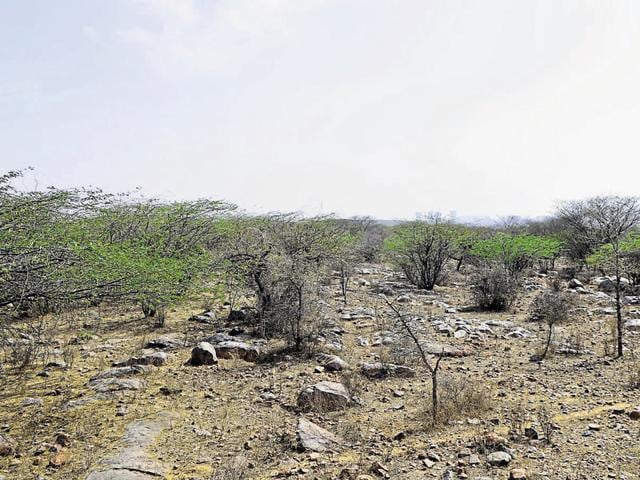
The NCR Regional Plan 2021, published in 2005, marked out eco-sensitive areas like the Aravallis, forests, rivers, water bodies and groundwater as NCZ.
Most of the National Capital Region Planning Board (NCRPB) member states, such as Uttar Pradesh, Delhi, Haryana and Rajasthan, which were required to factor in NCZ in their sub-regional plans and master plans did not bother to do so for 11 years.
Ritwick Dutta, environment lawyer, says the NCZ concept is very relevant today. There are many residential projects (read housing blocks) coming up in sectors with wetlands, storm water drains, ravines, gullies, foothills etc in the NCR. No effort has been made to earmark or scientifically understand the ecological function they perform, adds Dutta, who has set up the Environment Impact Assessment (EIA) Resources and Response Centre, which provides an accessible database on environment impact assessment reports, along with a critical analysis.
While cities such as Mahabaleshwar, Panchmarhi, Panchgani and Mount Abu have been declared as ecological sensitive zones they have not delineated NCZ as a separate zoning category and if Gurgaon does it, it would be the first city to have done it, he says.
Underlining the difference between green belts in master plans and natural conservation zones, Dutta says the former are artificial plantations or landscaped areas that have an aesthetic function to perform. The NCZ, however, is a natural demarcation and plays a serious ecological role in maintaining water tables and serving as the primary source of groundwater recharge in NCR. By delineating these areas as such in the master plan the administration is legally ensuring these areas can only be put to specific use (forestry, water body, agriculture) and must be conserved and protected at any cost.
“We are ready to incorporate all important areas, including wasteland and palaeo-channels. All stakeholders have been directed to give details of such areas, which will be incorporated in NCZ,” deputy commissioner TL Satyaprakash, who heads Gurgaon’s district administration, had said last week. This move came after comments from the forest department, Haryana, on the interim NCZ maps. Earlier in March, the National Green Tribunal (NGT) issued a notice to the Haryana government, asking why it had excluded nearly 50,000 hectares of land, including vast areas of the Aravallis, from the NCZ.
The notice was issued after a city-based environmentalist, Colonel SS Oberoi, moved the green court after the state government last year decided to reduce NCZ area to about 42,000 hectare from 95,000 hectare in the Haryana subregion of the NCR.
“The authorities have been reducing NCZ in the sub-regional plan. The plan simply says that NCZ area is about 42,000 hectare. There is no mention of the remaining land, where a lot of water bodies, forest and wetlands exist. The area also has a flourishing wildlife,” said Oberoi, who had filed the petition in the green court in 2015.


