E-Paper



Mumbai real estate market: Planning to sell a flat in an old building? Here’s why it can be tough
A Reddit user shared his struggle to sell a 2BHK in a 30-year-old building in Andheri, Mumbai, despite using both online and offline channels

 Prefer HTon Google


Netizens have voiced concern about the challenges of selling flats in old buildings, despite the properties having clear titles. One Reddit user shared his experience of trying to sell a 2BHK in a 30-year-old building in Mumbai’s Andheri area, but with no success.
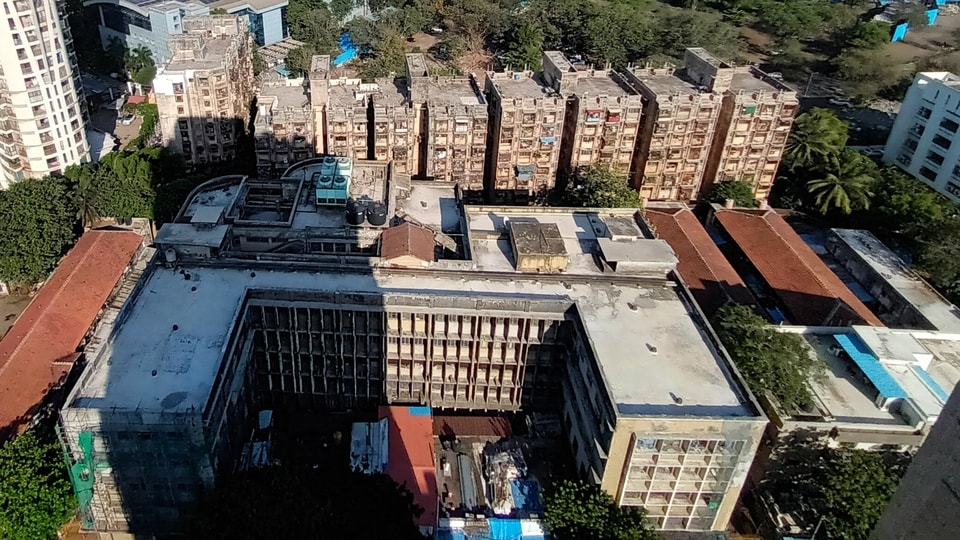
Despite trying both online platforms and offline channels, the flat has found no takers, highlighting a growing reluctance among buyers to invest in ageing properties.
"We have been trying to sell our 2BHK flat in an old (~30-year-old) building in Andheri East, and it’s been an absolute nightmare. We have paid and registered on almost every major platform you can think of. All of them promised dedicated support, sales assistance, etc. We even approached a local broker, thinking a real person on the ground might help, but no luck," the post reads.
“We’re not even being unrealistic. We’re willing to sell well below the market rate just to get it off our hands. But it’s like the flat doesn’t even exist. What are we doing wrong? Is this normal in Mumbai right now?” reads a Reddit post reflecting the frustration of a homeowner.
The Reddit poster went on to question whether flats in older buildings have lost all value in today’s market. “Do people just not want to invest in older properties anymore, with new towers constantly coming up offering shiny amenities? What happens to the lakhs of us who still own flats in these older buildings?”
Another user echoed the sentiment, commenting that their family is facing the same issue.
“We have a flat in a 35-year-old building. Ten years ago, we were getting a very good amount for it, but we did not sell in hopes of redevelopment. Now, we are ready to let it go for half that amount, but we are not getting any buyers,” the Redditor said.
Is it tough to sell homes in an old building in Mumbai?
According to real estate consultants, selling apartments in old buildings isn’t always difficult, it depends on several factors, such as a clear legal title, proper approvals, and the location’s potential.
Take the example of Shiv Sagar Society, an old building on Worli Sea Face, which struck a rare and lucrative deal when Uday Kotak, founder of Kotak Mahindra Bank, purchased the entire building for over ₹400 crore. The property is located right next to land already owned by Kotak, making it a strategic acquisition. However, local brokers point out that not all homeowners are as fortunate.
“There have been instances where old buildings fetched high per sq ft rates, but that’s largely due to prime location,” said Ritesh Mehta, senior director and head (North and West), Residential Services and Developer Initiatives at JLL India.
“In other areas, what matters most is the legal clarity of the building. If the title is clean and approvals are in place, a buyer may still show interest, often with redevelopment potential in mind. But if the title itself is unclear, selling becomes extremely difficult. That said, we never say it’s impossible.”
Also Read: Mumbai property tax rises by 15% on average; flats under 500 sq ft remain exempt
Meanwhile, industry estimates suggest that over 25,000 old buildings in the Mumbai Metropolitan Region (MMR) are currently eligible for redevelopment.