
 E-Paper



ISRO’s sun mission to take off in 2019
The main aim of the Aditya-L1 mission is to improve understanding of “dynamical processes of the sun,” and help resolve some outstanding questions in solar physics.

 Prefer HTon Google


After conquering the moon and Mars, the India Indian Space Research Organisation (ISRO) has set its sights on the sun with the Aditya-L1 mission.
“Aditya-L1, India’s maiden mission to the Sun, will be launched in 2019,” (ISRO) chairman A.S. Kiran Kumar said told reporters on the sidelines of the ‘International Seminar on Indian Space Programme’ organised by ISRO in partnership with Antrix, the commercial arm of ISRO, and industry group FICCI, to woo Indian industry to partner in space operations. The two-day seminar ended Tuesday.
The main aim of the solar mission is to improve our understanding of “dynamical processes of the sun,” and help resolve some outstanding questions in solar physics.
“The main purpose is to do coronal and near UV studies,” a senior ISRO official, who was not authorised to speak to the media, said. “It will help us answer questions like how the corona gets so hot?” the official added.
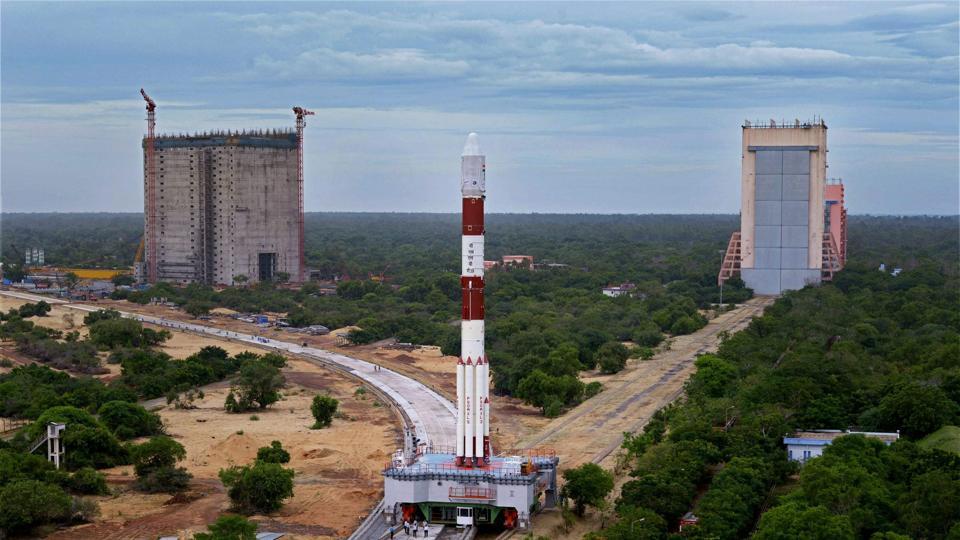
The satellite carrying six payloads will be launched from Sriharikota in Andhra Pradesh on the PSLV- XL launch vehicle. It will be launched into the halo orbit around the Lagrangian point 1 (L1) of the Sun-Earth system. This orbit has the advantage of allowing continuous monitoring of the sun.
“ISRO has over the years led from the front to involve industry from the drawing board to the launch pad as a valued partner in many aspects of our space programme,” Prime Minister Narendra Modi said in a foreword to the compendium released at the conference. “Today, our industry is well poised to become and even more vital part of the domestic and global space industry ecosystem. This would befit the vision of Make in India.”
The second edition of India’s moon mission, Chandrayaan II is scheduled for launch in March 2018. The space agency is aiming to double its satellite launches next year from the current eight to nine annually to 20 every year.


