
 E-Paper



Solar flare explosion during solar eclipse? What people really saw on the Sun was this
Was there really a solar flare explosion on the Sun during the total solar eclipse? Not really, but something really impressive was there.

 Prefer HTon Google


The recent total solar eclipse was arguably one of the best space-related events that anyone could ever get to watch. It was visible in all its glory. The scale and the beauty of it all simply boggled the mind. It was a rare event and it lasted for a long time, ensuring everyone who wanted to be a witness to it, saw it to their hearts’ content. However, even while this was going on, there was something else that many people reported. They said they saw a solar flare explosion. Now, that is another massively spectacular event that the Sun produces on a frequent basis. But, did it occur during the solar eclipse as was declared by many?
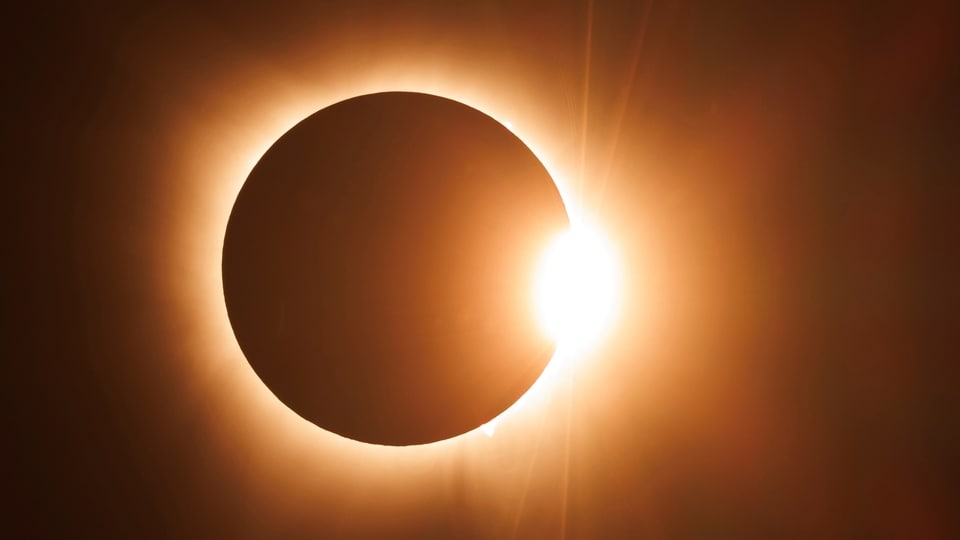
The jury was out on this till now but the decision is out and it is a resounding no. There was no solar flare explosion on the Sun during the eclipse as has been proven by all the technological marvels that NASA has deployed to track the Sun and keep a permanent eye on for anything unusual.
Read More: NASA’s solar sail to fly in space - no engines, no fuel required
So, what did people actually see? Well, it was another supermassive event, that is just as impressive, if not as explosive as a solar flare in nature. When the Moon covered the Sun during the eclipse, what many had seen were red spots around the edges. This was Plasma - a plume of plasma to be exact. It was a massive structure, but remained rooted to the surface of the Sun. A solar flare, on the other hand, is explosive in nature and shoots plasma out into space known as a coronal mass ejection (CME), LiveScience reports.
This claim is supported by the data revealed by SpaceWeatherLive.Com, which said no solar flares were generated during this period.
Read More: Space horror! This asteroid set to get as close as 18700 km to Earth, says NASA
The reason why solar flares were so talked about during the eclipse is because the Sun is well into its solar maximum period during its 11-year cycle when it is at its volatile best.
A solar flare during a total solar eclipse would certainly have provided a great viewing opportunity for millions of people!
Read More: Weird Science | Understanding the science behind "killer" bee attacks
However, far from being volatile, during this period, the Sun was actually quite calm, if that word can ever be used to refer to it. It is expected to get back to its fiery best next week though.
.


