
 E-Paper



Study proves what we always knew. Fathers pay more attention to daughters


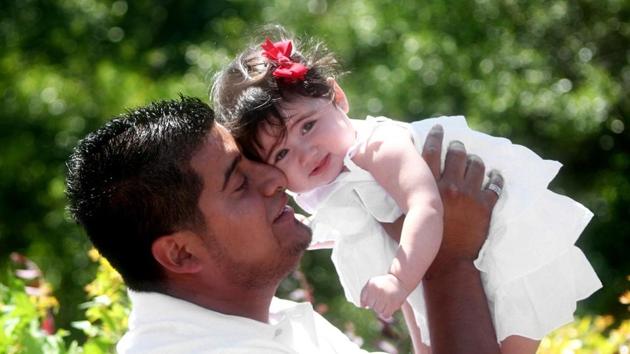
The findings showed that fathers of toddler daughters sang more often and spoke openly about emotions, whereas those with toddler sons engaged in more rough-and-tumble play.
Fathers tend to be more attentive and responsive to the needs of their toddler daughters than of their sons, finds a brain study that shows a toddler’s gender influences the brain responses as well as the behaviour of fathers.
The findings showed that fathers of toddler daughters sang more often and spoke more openly about emotions, including sadness, whereas those with toddler sons engaged in more rough-and-tumble play.
“If the child cries out or asks for dad, fathers of daughters responded more than did fathers of sons,” said lead researcher Jennifer Mascaro, assistant professor at Emory University.
Further, girls’ fathers used more analytical language (words like all, below and much) which has been linked to future academic success, while with boys it was more achievement-related language (words such as proud, win and top).
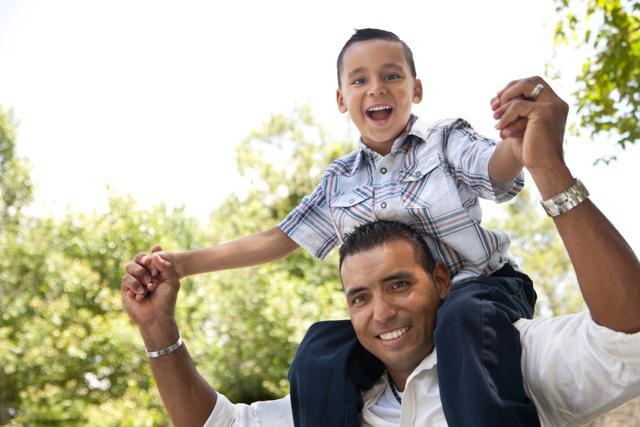
This may be possibly because fathers are more accepting of girls’ feelings than boys’, the researchers said in the paper published in the journal Behavioral Neuroscience.
In addition, brain scans revealed that fathers of daughters had greater responses to their daughters’ happy facial expressions in areas of the brain important for visual processing, reward, emotion regulation and face processing than fathers of sons.
“The gender-biased paternal behaviour need not imply ill intentions on the part of fathers. These biases may be unconscious, or may actually reflect deliberate and altruistically motivated efforts to shape children’s behaviour in line with social expectations of adult gender roles that fathers feel may benefit their children,” added James Rilling anthropologist at Emory.
For the study, the team used data from 52 fathers of toddlers (30 girls, 22 boys), who agreed to clip a small handheld computer onto their belts and wear it for one weekday and one weekend day.
Follow @htlifeandstyle for more.
Catch your daily dose of Fashion, Taylor Swift, Health, Festivals, Travel, Relationship, Recipe and all the other Latest Lifestyle News on Hindustan Times Website and APPs.


