
 E-Paper



'Centre won't be able…': Union minister on proposed data protection law
On November 18, the Centre had released the draft of the data protection bill which is expected to be tabled in the Winter session of Parliament.

 Prefer HTon Google


Union minister of state for electronics and IT Rajeev Chandrasekhar on Sunday said the Narendra Modi government will not be able to violate the citizens' privacy under the proposed data protection law. He said the government will get access to personal data only in exceptional circumstances like national security, pandemic and natural disasters, PTI reported.
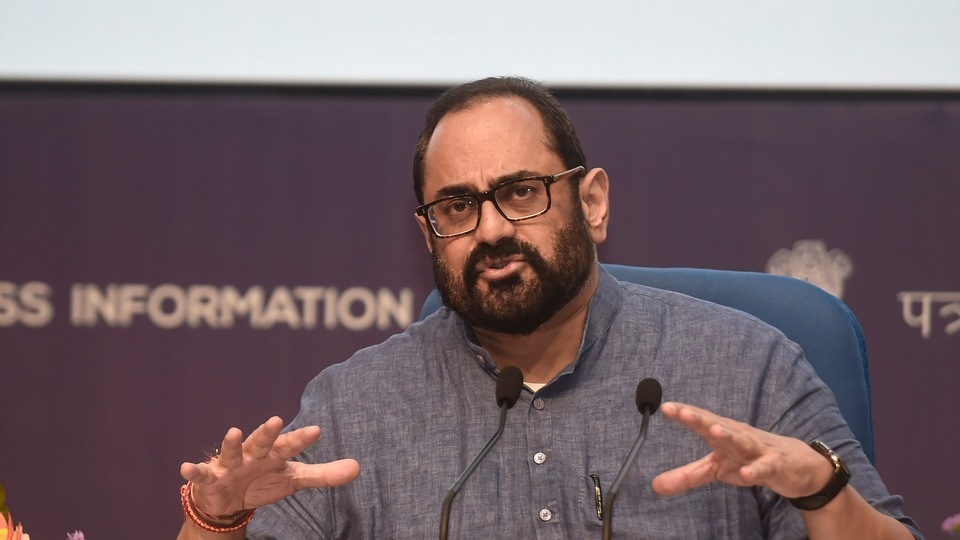
"Let us say that the government wants to essentially violate the privacy of citizens with this law. Is it possible? That's the question. The answer is no. The bill and laws lay out in very clear terms what are the exceptional circumstances under which the government can have access to the personal data of Indian citizens.... national security, pandemic, healthcare, natural disaster.
"These are exceptions. Just like freedom of speech is not absolute and is subject to reasonable restriction, so is the right to data protection," Chandrasekhar said.
On November 18, the Centre had released the draft of the data protection bill which is expected to be tabled in the Winter session of Parliament. The draft bill seeks public feedback as it has been released three months after the government had withdrawn the Personal Data Protection Bill 2021 following a parliamentary panel seeking 81 amendments to it.
“Seeking your views on draft Digital Personal Data Protection Bill, 2022”, union minister of electronics and IT Ashwini Vaishnaw had tweeted then.
According to the provisions of the bill, the Centre has the power to specifies the countries to which the organisations can transfer personal data. Thbe companies will be allowed to send user data to the servers in the countries which have been notified.
The government is authorised to exempt state agencies which are processing data from the proposed law in national interest. The bill also entails a Data Protection Board to ensure compliance with the proposed law. This board will also hear complaints from the users.
The Data Protection Board can impose penalties for non-compliance. The bill proposes fines up to ₹2.5 billion for failure of entities to take reasonable safety to prevent data breach.
(With Reuters, PTI inputs)


