
 E-Paper



Google to merge Chrome OS into Android, here’s what it means for users
Future Chromebooks and tablets are expected to run on an Android-based platform.

 Prefer HTon Google


You may be interested in
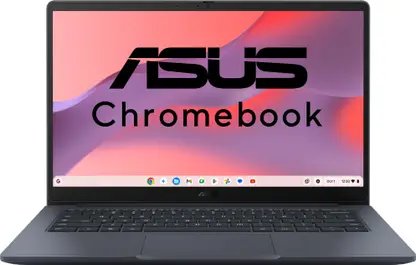





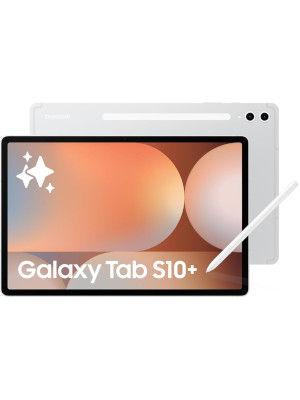
Google is publicly confirming what industry watchers have long speculated: it is working to merge Chrome OS into Android, consolidating the two into a single unified platform.

One Platform, Many Devices
Sameer Samat, President of Google’s Android Ecosystem, confirmed in a recent interview that Chrome OS will no longer remain a stand‐alone operating system. Instead, future Chromebooks and tablets are expected to run on an Android-based platform, giving users a seamless cross-device experience.
This shift builds on Google’s architecture convergence, Chrome OS already shares Android’s Linux kernel and components. Now the company is advancing it further, aiming to deliver a desktop-optimized Android experience that supports a richer feature set including Linux apps, browser extensions, multi-window UI, and improved external display handling.
Mobile Finder: Vivo X200 FE launched in India
Strategic Advantages for Google
Google’s consolidation effort supports several goals:
Streamlined development: One OS means a unified engineering path instead of parallel work on two platforms.
AI integration: Android becomes a stronger base for Google’s Gemini-powered AI experiences on laptops, tablets, and foldables.
Tablet competitiveness: Android tablets may finally rival iPads by leveraging both touch-optimized and productivity-focused Chrome OS features.
What It Means for Users and Developers
For users, the merge should bring:
-Access to a single, seamless ecosystem across phones, tablets, and laptops.
-A fuller library of apps running consistently across all devices.
For developers, it could mean:
-Fewer compatibility headaches and more uniform toolchains.
-Greater incentive to build for an expanded Android user base that now includes Chromebook users.
Remaining Questions
-Security & Updates: Chrome OS is known for automatic updates and strong security, how these will translate to Android-based Chromebooks remains unclear.
-True desktop experience: Will an Android-based desktop truly match Chrome OS in usability, or feel like a stretched mobile interface?
What’s Next?
Google appears to be testing Android’s desktop mode, including windowing tools and Linux terminal support. Reports also point to a new “Pixel Laptop” prototype running desktop Android instead of Chrome OS.
Meanwhile, the Chromebook release cycle has slowed significantly in 2025, hinting that Google may be preparing for a larger operating system transition.


