
 E-Paper



Indian‐origin CEO who bid ₹300000 crore to buy Google Chrome now faces a new big challenge with…
With the launch of ChatGPT Atlas, a new AI-powered browser from OpenAI, Srinivas and Perplexity face a significant competitive threat.

 Prefer HTon Google


Indian-origin entrepreneur Aravind Srinivas, CEO and co-founder of Perplexity AI, made headlines earlier this year when his startup submitted an unsolicited $34.5 billion all-cash offer to acquire Google Chrome, a bid that far surpassed his company’s own valuation. Now, with the launch of ChatGPT Atlas, a new AI-powered browser from OpenAI, Srinivas and Perplexity face a significant competitive threat in the browser and AI search space.
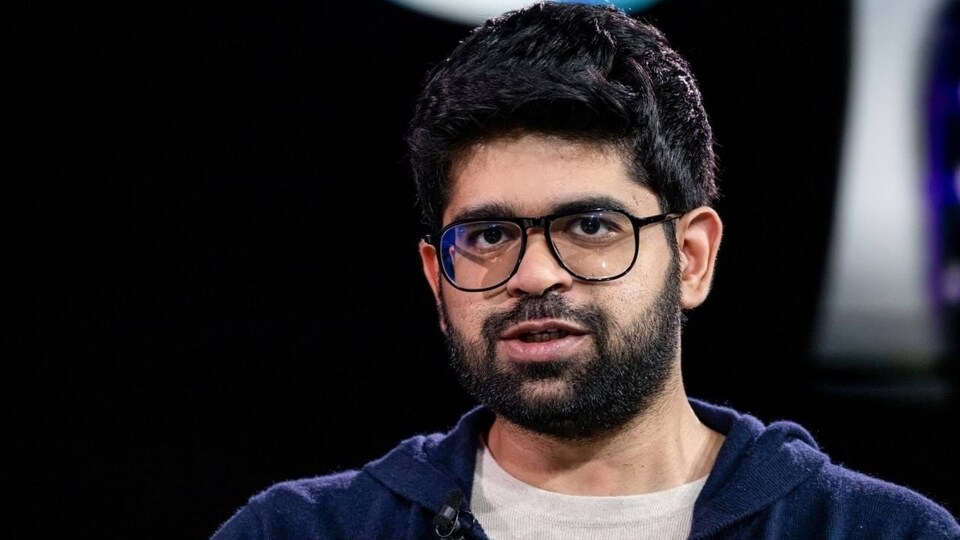

Srinivas and Perplexity’s audacious move
Perplexity AI, valued at around US $18 billion, stunned the tech world when it formally approached Alphabet to buy Google Chrome. The move was interpreted as part of a broader strategy to challenge Google’s dominance in search and browser usage. Srinivas has positioned Perplexity at the centre of the AI-search momentum, building tools that deliver immediate answers instead of traditional link lists.
OpenAI launches browser: A direct threat
On 21 October, OpenAI publicly released ChatGPT Atlas, an AI-driven web browser built around its flagship chatbot. The browser integrates a ChatGPT sidebar capable of summarising webpages, comparing content, analysing data, and in “Agent Mode” performing tasks like shopping or research. Versions for macOS are available now; Windows, iOS and Android support are expected soon. The launch signals OpenAI’s intent to challenge not just Chrome, but the underlying model of how people browse and search.
Why the launch changes the game
Atlas isn’t just a browser, it represents a shift in how information is accessed. Rather than relying on link-based navigation, the browser surfaces conversational AI tasks directly in the browsing experience. That undercuts both traditional search engines and newer AI-powered alternatives. By tying browsing to the chatbot’s intelligence, OpenAI gains a gateway into browser usage, data access and user interface control.
For Srinivas and Perplexity, the challenge is two-fold: they not only have to contend with Google, but also a deep-pocketed rival (OpenAI) now entering the same arena. The $34.5 billion bid for Chrome may have been bold, but now alternatives are materialising faster than ever.
What’s next: Perplexity’s path forward
Perplexity already launched its own AI-centric browser, Comet, for subscribers earlier this year, which uses Perplexity’s search engine by default. But with Atlas now live, the startup must accelerate adoption, secure wider distribution and perhaps rethink its business model to remain competitive. For Srinivas, the question is no longer just about buying Chrome, it’s about staying relevant in a swiftly evolving browser-AI ecosystem.


