The heating appliance market is undergoing a notable evolution. For years, oil filled heaters have been the standard in residential heating, renowned for their consistent and reliable warmth. However, recent technological advancements have positioned micathermic heaters as not just a modern alternative, but a formidable contender in the heating sector.
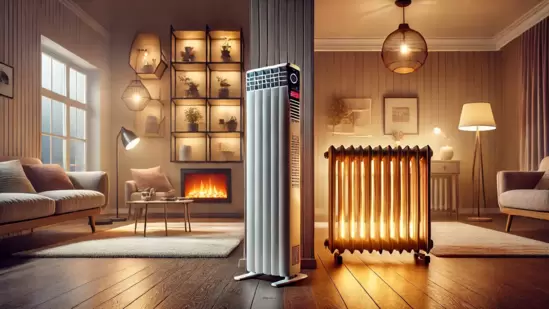
Micathermic heaters have advanced significantly from their initial role as merely stylish, space efficient devices. Today, they are gaining traction for their ability to deliver rapid, silent heat, positioning them as strong competitors to traditional oil heaters. As this newer technology gains wider recognition, the debate between micathermic and oil heaters is intensifying. Micathermic technology employs a dual heating system that combines radiant and convection heating. But does this innovation truly fulfill its promises? Can it effectively replace the long trusted oil heater, or is it simply a passing trend? Analysing how micathermic heaters function and identifying their unique advantages is essential. Is this shift towards micathermic heating the future of home heating, or should we adhere to conventional methods? Let’s dissect the factors driving this technological buzz.
The key question now isn’t just if micathermic heaters can match oil filled models, but if they can surpass them as the preferred home heating choice.
Oil heaters: A timeless classic room heater
Think of an oil heater as that old friend who's always there when you need them. Reliable, steady, and ready to keep you comfortable when the temperature drops. Oil heaters have been around for years and have earned their spot in many homes. They work by heating up special oil inside the unit, which stays warm for hours, gradually releasing heat into the room. This steady flow of warmth makes them ideal for larger spaces that need consistent heating.
But here's a question: what makes oil heaters still a popular choice today? They’re quiet, offering a soft, soothing hum as they run. This makes them great for settings like family gatherings or a quiet evening. But does that slow, gradual warmth still match the fast-paced needs of today's world? Is there something faster, more efficient that could replace them?
Consider these oil room heaters to beat the chill during winter days:
Also Read: Best 15 litre geysers in 2025: Top 10 choices for energy efficiency, durability and fast heating
Micathermic heaters: The newcomer with a spark
Now, let’s look at micathermic heaters. Have you heard of micathermic heaters? Do you know how they work? What technology are micathermic heaters based on? Let us help you understand their features so you can see how they might be a helpful addition to your home. Micathermic heaters are based on mica technology, using mica, a naturally heat conductive mineral. These heaters combine both radiant and convection heat to distribute air evenly across the room. This dual heating method helps improve the overall climate in the space. Unlike other room heaters, they warm up the surfaces around them, creating a more pleasant atmosphere almost instantly.
Could micathermic heaters be the answer to those cold spots that oil heaters sometimes leave behind? They fit neatly into smaller rooms or corners and, since they run quietly, they will not disrupt the peace while heating your space. These room heaters have been on the market for a while, but not many people are familiar with them. That’s why we’re here to introduce you to this option so you can consider it for your home. They heat both the air and nearby surfaces, making small spaces feel comfortable all around.
Heat smarter, not harder with these advanced micathermic heaters:
Oil heaters vs micathermic heaters: When to use each
Oil heaters are ideal for keeping large spaces cosy enough for hours. Think about a family gathering in a spacious living room; this room heater provides consistent warmth without needing constant adjustments. It’s a steady, reliable option that works well over long periods.
On the other hand, micathermic heaters are better for smaller spaces where you need things heated up fast. For example, in a small office or bedroom, it quickly brings the temperature up without making any noise, so you can focus or relax without distractions. These heaters also work well in corners or tight spaces where other room heaters might feel bulky.
Each heater has its own perks. Oil heaters are great for bigger rooms where you need steady warmth over time. Micathermic heaters are better for smaller spaces, getting things heated without much noise.
Now, let's compare one oil heater and one micathermic heater to highlight the key differences and help you understand them in the best way possible.
Also Read: Best room heaters in India: Keep your indoor space warm and inviting with top-selling heaters
Micathermic heater vs Oil heater: Key differences explained
The above is a micathermic heater, which we will compare with the oil filled heater below.
Our Principles
Full Transparency
Every product review clearly lists the Pros and Cons, giving you a balanced view.
Brand Confidence
We focus on products from brands with a proven reputation and long-standing market trust.
| Features | Havells Room Heater 2000W Pacifio Mica (Micathermic Heater) | Havells 13 Fin Hestio OFR (Oil-Filled Radiator) |
| Power Consumption | 2000 Watts | 2900 Watts |
| Heating Technology | Micathermic technology (combines radiant and convection heat) | Oil-filled radiator with PTC fan for additional heat circulation |
| Heating Speed | Rapid and instant heating | Slower, as it requires the oil to heat up and retain warmth |
| Noise Level | Silent operation | Slight noise from the fan and oil circulation |
| Air Quality | Anti-dryness feature; maintains moisture in the air | May dry out the air due to prolonged heating and the fan blowing air |
| Portability | Lightweight and compact, easy to move | Heavy due to oil and metal fins; equipped with retractable wheels for mobility |
| Heat Settings | 2 heat settings (adjustable temperature levels) | 3 heat settings with an inclined control panel for convenience |
| Design | Black and Rose Gold design | Black design with 13 straight fins, retractable wheels |
| Room Size Suitability | Ideal for small to medium-sized rooms | Suitable for medium to larger rooms or spaces requiring consistent heat for long periods |
| Safety Features | Overheat protection, tip-over switch | Overheat protection, safety cut-off valve, and tilt protection |
| Heating Coverage | Ideal for localised or quick heating in small spaces | Provides consistent heating across a larger area due to oil retention in the fins |
| Energy Efficiency | Energy efficient for quick heating and short-duration use | Energy efficient for long-duration use due to heat retention in the oil-filled fins |
Some more room heaters for you:
Between micathermic heaters and oil heaters which one is better for you during winter?
When deciding between a micathermic and an oil heater, it really comes down to your space and how long you need heat. If you're in a smaller room and need something that heats up fast without taking up too much space, a micathermic heater is a solid pick. It’s light, heats up quickly, and is easy to move around.
On the other hand, if you're looking to heat a bigger room or need a heater that can run for a long time without losing power, an oil heater is more reliable. It heats gradually and keeps things comfortable for hours, but it's heavier and takes up more space. Ultimately, think about your room size and how long you plan to use the heater. If it's for short bursts, go with micathermic. For lasting, steady heat, oil heaters are a better fit. Plus, if sustainability and lower running costs matter to you, micathermic technology offers a more modern option.
Similar stories for you:
PTC heaters vs oil-filled heaters: Which one keeps you warm, safe, and healthy all night long?
- Do micathermic heaters work faster than oil heaters?
Yes, micathermic heaters heat up much faster than oil heaters, providing quick warmth in just a few minutes.
- Which heater is better for a large room, micathermic or oil-filled?
Oil-filled heaters are better for larger rooms as they provide consistent, long-lasting heat, while micathermic heaters are more suited for smaller spaces.
- Are micathermic heaters more cost-effective than oil heaters?
Micathermic heaters can be more cost-effective for short heating sessions due to their rapid heat-up time, while oil heaters are better for prolonged use, though they may consume more energy.
- Can a micathermic heater replace an oil heater?
A micathermic heater can replace an oil heater in smaller rooms or for short periods, but an oil heater is more suitable for larger rooms or extended heating.
- Are micathermic heaters better than oil heaters?
It depends on your needs. Micathermic heaters heat quickly and are great for small spaces, while oil heaters offer steady heat for larger rooms over longer periods.
Disclaimer: At Hindustan Times, we help you stay up-to-date with the latest trends and products. Hindustan Times has an affiliate partnership, so we may get a part of the revenue when you make a purchase. We shall not be liable for any claim under applicable laws, including but not limited to the Consumer Protection Act, 2019, with respect to the products. The products listed in this article are in no particular order of priority.
Don't Delay Your Upgrade
Explore personalized EMI offers for your next purchase