
 E-Paper



Samsung announces HDR10+ Advanced for next-gen TVs with up to 5000-nit displays and AI tone mapping
Samsung has introduced HDR10+ Advanced to rival Dolby Vision 2 with AI tone mapping and 5000-Nit brightness for its next-gen TV lineup.

 Prefer HTon Google


You may be interested in

39% OFF

Samsung 138 cm (55 inches) Crystal 4K Vista Pro Ultra HD Smart LED TV UA55UE86AFULXL
 Samsung 138 cm (55 inches) Crystal 4K Vista Pro Ultra HD Smart LED TV UA55UE86AFULXL

₹38,990
₹63,900Check Details
47% OFF

VW 109 cm (43 inches) OptimaX Series Full HD Smart QLED Android TV VW43AQ1
- VW 109 cm (43 inches) OptimaX Series Full HD Smart QLED Android TV VW43AQ1
₹13,299
₹24,999Check Details
41% OFF

Philips 109 cm (43 inches) 6100 Series Frameless Full HD Smart LED Google TV 43PFT6130/94
- Philips 109 cm (43 inches) 6100 Series Frameless Full HD Smart LED Google TV 43PFT6130/94
₹18,999
₹31,999Check Details


Samsung has introduced HDR10+ Advanced, an upgraded version of its HDR10+ format, designed for its high-end 2026 television lineup. Following Dolby's announcement of Dolby Vision 2, the launch signals the next phase of competition in high dynamic range (HDR) technology for TVs and streaming platforms.

HDR10+ Advanced: Key upgrades
The new version will include several upgrades which aim to improve brightness, colour precision, and dynamic tone mapping. The main highlight feature is HDR10+ Bright, which offers extended metadata with AI-driven image processing to enhance brightness, colour volume, and contrast accuracy. It is optimised for displays capable of reaching a peak brightness of between 4,000 and 5,000 nits and supports the full BT.2020 colour gamut that Samsung’s upcoming Mini-LED and Micro RGB TVs are expected to deliver.
Also read: I spent 30 days with the Infinix GT 30 5G: Is it the best gaming phone under ₹20000?
Another feature, HDR10+ Genre, uses AI-based content recognition and metadata offered by creators to adjust tone mapping automatically. The system automatically adjusts picture settings according to the content type, whether it's drama, sports or animation, to ensure visuals are optimised for each category.
The update also introduces Intelligent Motion Smoothing, which allows content creators to control the level of frame interpolation for each scene. TVs will then adjust playback based on ambient lighting and user preferences.
Also read: Apple brings back this original iPhone feature but with a twist
Improved tone mapping and colour control
HDR10+ Advanced enhances local tone mapping with finer zone-based adjustments to improve detail in shadows and highlights while minimising blooming. It also adds Advanced Colour Control, which refines colour metadata for smoother and more accurate gradation.
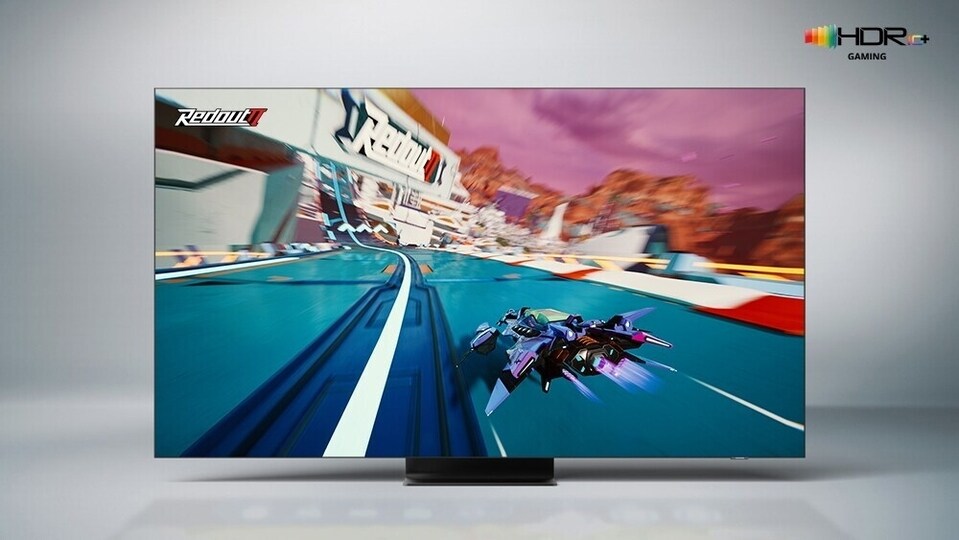
For gaming, the format introduces HDR10+ Intelligent Gaming, which uses real-time tone mapping to adapt the brightness of the display to the room environment. This feature supports both console-based and cloud-based HDR gaming.
Also read: JioHotstar Premium ad-free plan may soon get costlier: Here’s what might change
HDR10+ Advanced: Launch Timeline
Although Samsung has yet to demonstrate its new 115-inch Micro RGB TV live, it presented a simulated comparison. A full technical demonstration is expected at CES 2026. The first TVs supporting HDR10+ Advanced are expected to arrive around mid-2026.
Amazon Prime Video has already confirmed compatibility, and other platforms such as Netflix and Disney+ could extend support once the new metadata layers are integrated into their HDR workflows.
Also read: Update Aadhaar or link PAN? Now you can do it all from home: Here’s how
Samsung has not yet showcased a working model publicly but previewed a comparison on its 115-inch Micro RGB TV, which shows improvements in colour depth and contrast. A full technical demonstration is expected at CES 2026.
The company’s 2025 TVs were released in May, which suggests that the first HDR10+ Advanced-supported models could arrive around the same time in 2026. The adoption rate will depend on how quickly content creators and streaming services integrate the new metadata layers required for full HDR10+ Advanced functionality.


