
 E-Paper



Time-Traveling Through 35mm Film
Analog photography fosters a spontaneity rare in the digital era.


 Prefer HTon Google


There are few things we can’t get instantly these days. Film photography is one of them. Between the click of my Canon AE-1 and the day my photos are sent back from the film lab, I’m giddy like it’s Christmas Eve. Will the shots be shadowy, overexposed or just right? Did anyone blink? What did I even photograph on that day weeks ago?
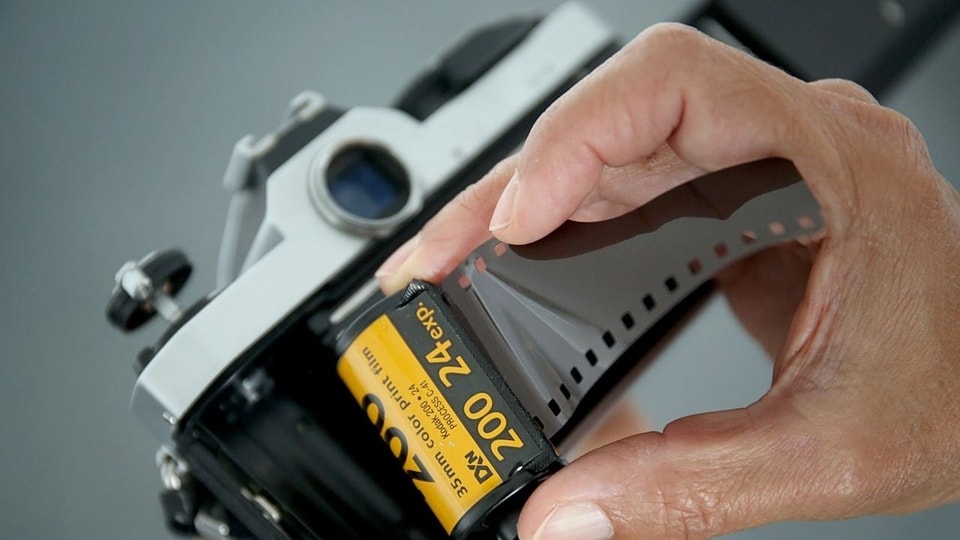
In an age of digital immediacy, film offers up these rare moments of unknowing, these chances for spontaneity. I grew up alongside the rise of iPhones and selfie cameras. Yet I fell in love with the analog format of photography when I picked up a preowned camera on eBay that was made in 1970s Japan. With each snap of the shutter, I feel nostalgic for an era I didn’t even experience. Pixels and filters can’t capture the interplay of light, shadow, color and grain like 35mm film, even for an amateur like me.
My generation seems to agree. While still small relative to digital cameras, the global market for film photography has resurged in recent years. More than two-thirds of film camera purchasers in 2023 were under 35, market data show. Among college students, disposable film cameras—a relic of the 1980s—have become popular. The revival of Kodak is a testament: After filing for bankruptcy in 2012, the film maker ended 2024 with a cash balance of $201 million.
But aren’t film photos lower in quality than the digital alternatives sitting in our pockets? Can’t they be smudged in the developing process or ruined if you don’t rewind the roll just right? Yes. That’s part of the appeal. We’ve all witnessed a photo shoot where the subjects keep checking to see if they have the right angle and pose to share online, once they blur out any imperfections. With film, you’re capturing the moment as it is. The intent is to memorialize it, not to filter it. You have only 36 chances on a roll, so each one better count.
Then there’s the quality of timelessness. I recently stumbled on a disposable camera in a drawer of my mother’s desk. It was a finished roll and the flash was shot. Curiosity led us to send it to a film developer, but I expected blanks.
What we found was photos from two decades ago. My brother dancing in pajamas. Me attempting to hold a toothbrush as a toddler. My grandmother smiling at the breakfast table. A childhood bedroom—I’d forgotten what it looked like. All frozen in time. We’d been left in the darkness of a drawer, waiting to materialize in a chemical bath that brought us into the light.
Funny how these old photos look as if they could have been taken today, just as the images I capture now appear as though from decades ago. That’s the beauty of film and its grainy cloak of memory: It lets you travel through time. And it never fails to surprise.
Ms. Koch is an associate opinion editor at the Journal.


