
 E-Paper



With humans at home, nature breathes easy
The lockdown has curbed human interference in nature’s way of work


Grey and blue. The colours have the exact same number of letters and yet, spur vastly different ideas. That’s perhaps why similes or phrases such as, “as blue as the sky” or “clear blue sky” don’t make for obsolete expressions. But only two weeks ago, could you have used such a turn of phrase to describe the city sky? How or why can you now? The lockdown has curbed human interference in nature’s way of work. Empty roads, reduced emissions, limited industrial waste and most importantly minimal plastic deposition has helped the environment heal. For some time, the sky hasn’t looked grey, sullen or smoky. The mild progress brings us to a rather pertinent point; can ecological balance be restored through curfews on human activity? Environmentalists based in Mumbai share their insightful take on the situation.
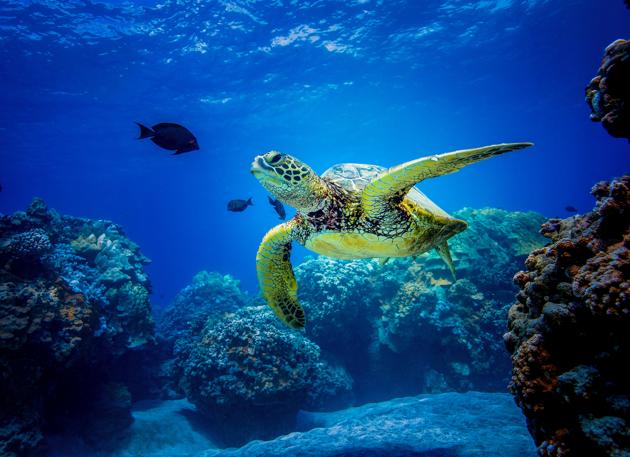
“The janata curfew teaches us a lesson. It tells us human beings are a bunch of viruses on earth,” says Stalin Dayanand, Director of Projects, Vanashakti. He backs his statement saying, now that people cannot step out and have been directed to stay indoors for their own safety; the air quality has improved at once. Speaking about the future he adds, “Our natural surroundings must be given a chance to repair and recover. In the long run, working from home one day a week will be of no use. We should suspend unnecessary movement for thirty days at a stretch every year. In my opinion, that will help our rivers, forests, land and air pull through the constant onslaught of damages.” Stalin further explains, with fishing activities at a standstill, marine life gets a chance to breed and multiply. “Whaling is on hold. Commercial fishing has led to the depletion of certain species. Go to any fish market and you will find palm-sized sharks and pomfrets. Such threatened species can only recuperate in the given circumstances. A month-long window would also help birds find secure places to make nests, lay eggs and bring their young ones up. A nature break is a must,” Stalin concludes.
On Wednesday, the AQI in Mumbai was 69. It was 71 and 80 at BKC and Navi Mumbai respectively. Air quality can be classed as good if AQI is below 50. “Currently, we are in the satisfactory category,” says Bhagwan Kesbhat, founder, Waatavaran. To give city-dwellers a better understanding of air quality readings he adds, “Anything ranging from 200 to 300, is poor. Above 300, AQI is considered to be very poor. We can’t be complacent about the present scenario and have to think of ways to maintain this. Pollution levels are low even during monsoon months as the rainwater makes suspended particulate matter settle on the soil. Also, human activity in the rainy season is comparatively restrained due to partial mobility.”
Catch your daily dose of Fashion, Taylor Swift, Health, Festivals, Travel, Relationship, Recipe and all the other Latest Lifestyle News on Hindustan Times Website and APPs.


