E-Paper



Australian scientists successfully create first-ever kangaroo embryo using IVF
Australian scientists successfully created kangaroo embryos using IVF, marking a breakthrough for marsupial conservation and future biodiversity efforts.

 Prefer HTon Google


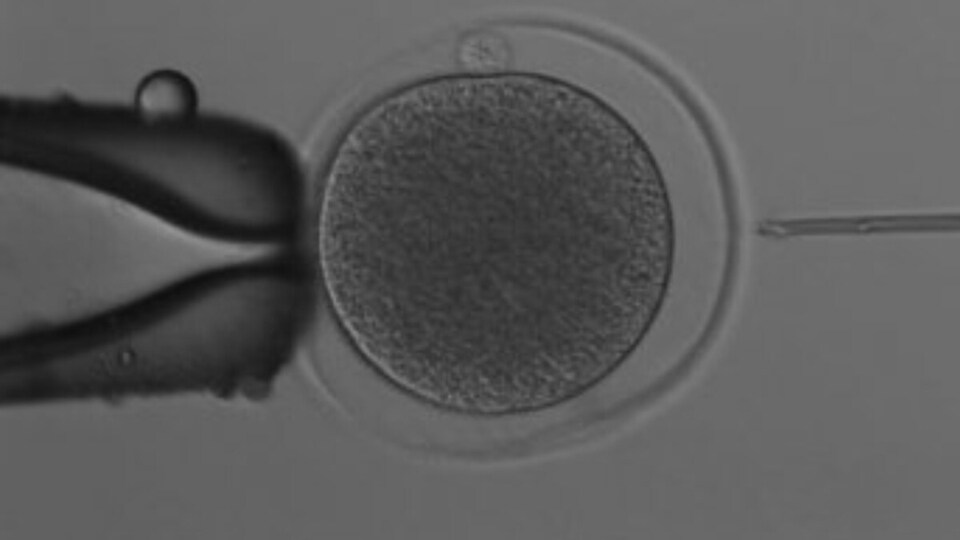
In a historic scientific breakthrough, Australian researchers have successfully created the first-ever kangaroo embryos using in vitro fertilisation (IVF), The Guardian reported. This achievement marks the first time a kangaroo embryo has been produced through intracytoplasmic sperm injection (ICSI), a technique widely used in human fertility treatments.
(Also read: Rare mob of white kangaroos spotted in Australia, netizens call them 'gorgeous')
Scientists from the University of Queensland employed ICSI to create eastern grey kangaroo embryos by injecting a single sperm cell into a mature egg, setting the stage for potential conservation applications for endangered marsupial species.
A milestone for marsupial conservation
Dr Andres Gambini, the lead researcher from the University of Queensland, hailed this development as a significant step in preserving Australia's unique wildlife.
"Australia is home to the greatest diversity of marsupial fauna on the planet but also has the highest mammal extinction rate. Our ultimate goal is to support the preservation of endangered marsupial species like koalas, Tasmanian devils, northern hairy-nosed wombats, and Leadbeater's possums," Dr Gambini stated.
Over 20 embryos successfully produced
So far, the research team has successfully generated more than 20 kangaroo embryos using ICSI. The sperm and egg cells were collected from kangaroos that had recently died in wildlife hospitals, offering a sustainable method to harness genetic material for conservation efforts.
Dr Gambini highlighted that eastern grey kangaroos were chosen for the study due to their large population, ensuring an ample supply of genetic material. The technique’s potential applications for endangered marsupials make this breakthrough even more significant.
Advancing conservation through IVF
One of the primary advantages of ICSI is its ability to work with minimal viable sperm, making it a promising tool for conservation breeding. This is particularly crucial for species like koalas, whose sperm viability is significantly reduced after freezing.
"We don’t need millions of sperm alive, we just need a few of them," Dr Gambini explained.
(Also read: Kangaroo casually walks into a bar in Australia. People’s reaction is surprising)
While there are no current plans to bring the IVF embryos to term in eastern grey kangaroos, researchers are focused on refining the technology and gaining deeper insights into marsupial reproductive physiology.
Future implications for endangered species
The research team hopes to use IVF to preserve genetic material from deceased animals, thereby enhancing biodiversity and ensuring the long-term survival of vulnerable species.
"We need genetic variability in a population to guarantee its survival over time and its ability to adapt to the environment," Dr Gambini noted.
Australia has the highest mammal extinction rate in the world, with 38 species lost since colonisation.