E-Paper



Chinese sellers face surge of AI generated fake photos used by shoppers to seek unfair refunds
Chinese sellers reported buyers using AI edited photos to fake product damage and claim refunds during major online sales events.

 Prefer HTon Google


Fake photographs created through artificial intelligence are increasingly being used by shoppers in China to fraudulently obtain refunds, raising fresh ethical and legal concerns across the country’s online retail sector.
As per a report by the South China Morning Post, sellers participating in China’s Double 11 shopping festival in November reported a surge in deceptive refund attempts driven by AI manipulated images.
AI images used to fake product damage
According to the outlet, several shop owners revealed that buyers were submitting photographs that appeared to show damaged or defective products. Many of these visuals were later found to be artificially generated. Some customers even photographed real items such as fresh fruit and then used AI tools to make them appear mouldy.
An electric toothbrush seller recounted how a buyer sent an image of a supposedly rusty toothbrush and demanded a refund. “They come to me with problems that go against common sense,” he said.
Staff at a clothing shop described a similar incident in which a customer submitted an image showing a one piece dress with severe loose threads around the collar. The shop quickly spotted inconsistencies in the lighting along the collar and noticeable signs of AI manipulation around the edges of the garment.
Refund requests withdrawn after verification
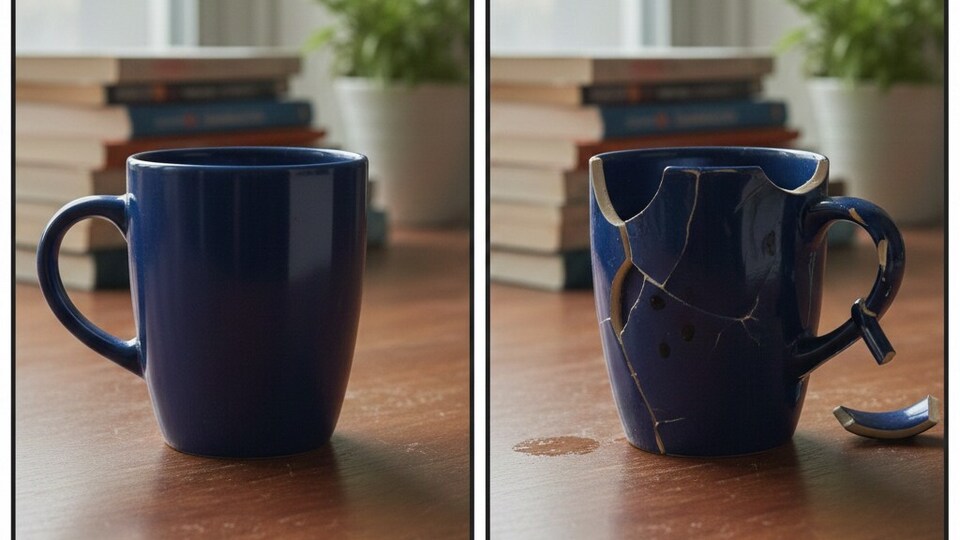
In another case, a ceramic mug seller received a refund request supported by an image showing spider like cracks on the mug. Sceptical of the claim, the seller asked the buyer to provide a video of the item, after which the buyer immediately withdrew the request.
The seller later used an AI detection tool that indicated a ninety two per cent probability that the photograph had been generated by artificial intelligence.
Sellers say they continue to struggle with “sheep shearers”, a term in mainland China used for people who exploit loopholes to claim refunds without returning items. Many sellers argue that current e commerce policies tend to favour buyers, resulting in unreasonable refund requests often being approved.
E commerce platforms respond to the trend
Interestingly, some sellers admit that AI tools are also being used on the opposite side of the transaction. One store owner told Jiemian News, as cited by SCMP, that “some shops use AI to generate fake models, backgrounds and even products” to make listings appear more attractive.
In response to rising concerns, platforms removed the “refund only” option earlier this year. Taobao and Tmall Group, operated by Alibaba Group, have introduced a buyer credit rating system based on purchasing behaviour, refund records and sellers’ feedback.
China also implemented updated rules on September 1 requiring all AI generated content to be clearly labelled.