
 E-Paper



‘Kuch nahi kaha gaya’: Blinkit, Zepto, Instamart riders left without clarity despite end of 10-minute delivery
Most gig workers claimed they never received any official communication about the removal of the ‘10-minute’ delivery claim.

 Prefer HTon Google


Leading quick commerce firms such as Swiggy Instamart, Blinkit and Zepto have dropped their promotional “10-minute” delivery tagline following a government order, prompted by a nationwide strike by the gig workers. There’s a lot of chatter about the removal of the promise, with social media weighing in. However, what are those who are actually impacted by the change saying about it? While speaking with HT.com, several delivery drivers said they had no idea about such a change.

While users on social media are praising Blinkit, Zepto and Swiggy for prioritising human lives over high speed, many delivery partners on the ground claim they haven't received any formal word of the change. Some drivers expressed that while the "tagline" is gone, the pressure to rush remains.
Zepto, Blinkit, Instamart: What did the gig workers say?
An 18-year-old, who works for Zepto in the National Capital Region (NCR) while juggling his Class 12 studies, told HT.com, “Nahi abhi tak kuch nehi kaha (We have not been told anything).” When asked about the 10-minute delivery promise, he continued, “It is a rule that we will have to reach within 10 minutes.” The teen, who wished to remain anonymous, claimed that he didn’t receive any official memo about the change.
A Swiggy Instamart rider, identified as Verma, said he keeps his deliveries fast because delays would have a direct impact on his incentives. When asked if he knew about the change, the 24-year-old said, “We were not given any information about it, neither by the company nor the TL. He added, “Kuch nahi kaha gaya (Nothing has been communicated).”
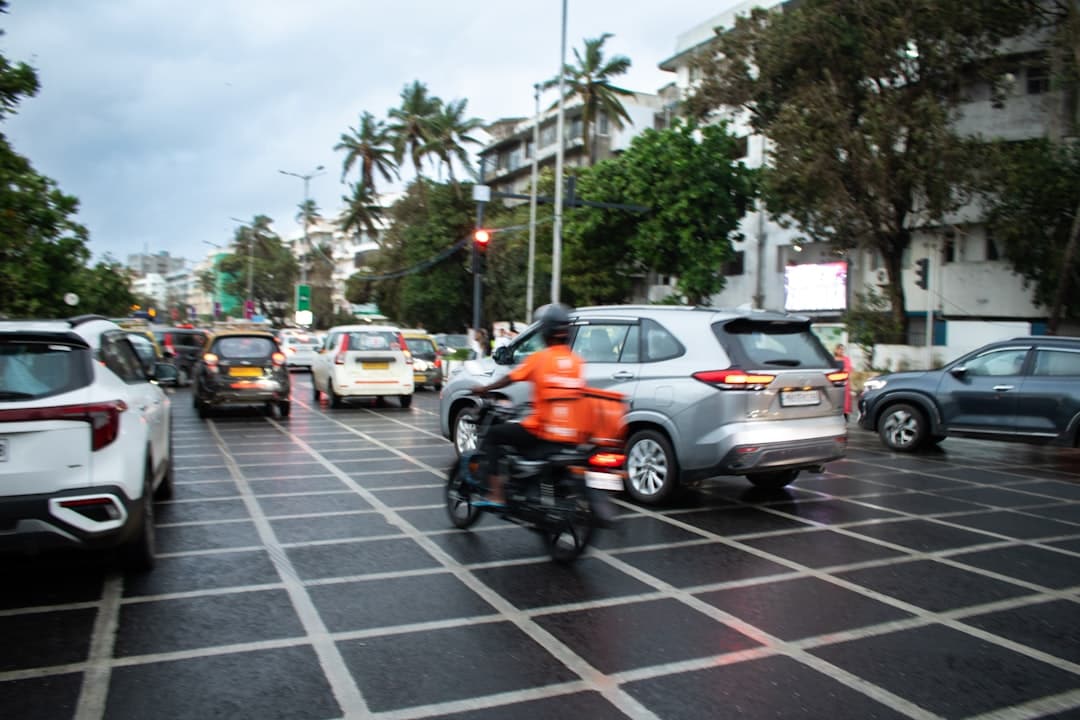
A Blinkit delivery partner from Bihar, who has worked with the company in Delhi for the past five years, told HT.com that he was never under any pressure to deliver in under 10 minutes, but it happened with some of the riders he knows.
Talking about the delivery time to HT.com, the delivery rider who also wished to remain anonymous said, “It shows on the customer’s mobile, but we don’t get any information. Though I cannot talk about others, our manager never pressured us to deliver within 10 minutes.” He added that he has not received any communication regarding the new change.
How much do they earn in a day?
The gig workers also opened up about their gruelling schedules, often clocking 14-hour shifts to complete more than 30 orders. Despite the long hours, their take-home pay remains modest, averaging between ₹700 and ₹800 per day once out-of-pocket fuel expenses are deducted.
Deepinder Goyal on 10-minute delivery: ‘No pressure being created’
It was not just the riders of quick-commerce platforms that were involved in the strike, but also riders associated with food delivery platforms like Zomato and Swiggy.
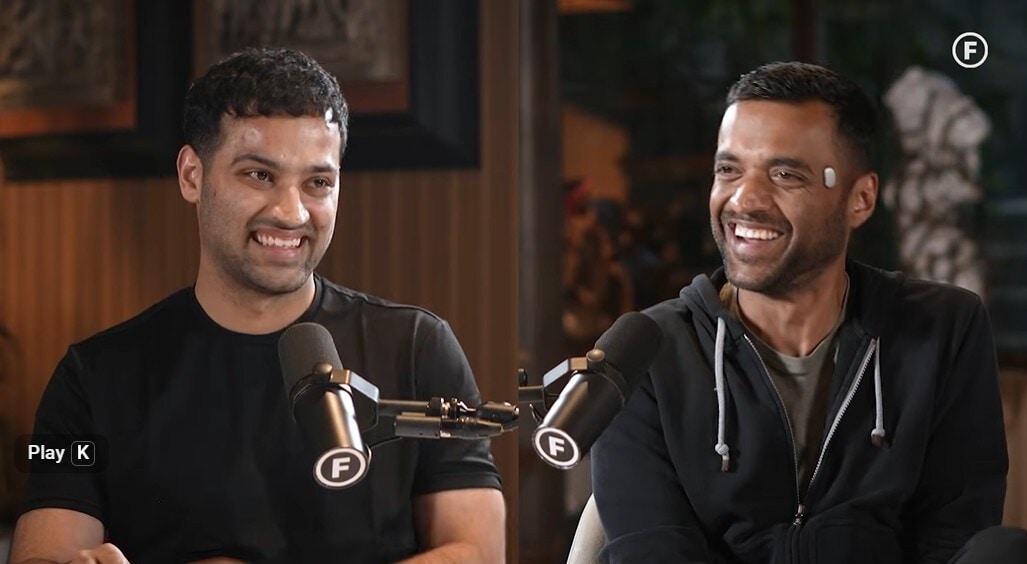
Earlier, in a podcast with Raj Shamani, Deepinder Goyal, founder of Zomato’s parent company, Eternal, discussed the 10-minute delivery model and gig workers' allegations of exploitative working conditions.
“Our delivery partners are not given any fixed timeline (Blinkit or Zomato) that they must deliver the food by a certain time. 10 minutes is not enabled through us asking people to drive fast; 10 minutes is enabled by density of stores. They are just so close to you. Delhi NCR has about 400+ Blinkit stores,” he said.
“That means if there is a store on every corner, the average packing time is about 1 minute 40 seconds. A rider can cover one kilometre in eight minutes. There is no human pressure being created to make this work,” he explained. He clarified that while customers see a delivery countdown, riders are not subjected to the same time pressure. According to him, the delivery goals are designed to be comfortable and stress-free for the staff.


