E-Paper



Birthright citizenship case: What US Supreme Court ruling means for immigrants
The legal battle over Trump's birthright citizenship policy continues, while the Supreme Court limited nationwide injunctions.

 Prefer HTon Google


The legal fight over Donald Trump’s attempt to end birthright citizenship isn’t over yet. The Associated Press reported that while the Supreme Court gave his administration a win by cutting back on nationwide injunctions, the bigger question surrounding the legality of the policy still hasn’t been answered.
What is birthright citizenship?
The birthright citizenship basically means that if you are born in the United States, you are a citizen, no matter who your parents are or where they came from. Birthright citizenship is written into the 14th Amendment of the Constitution. The policy was added after the Civil War to make sure African Americans, especially former slaves, were given full rights.
The rule has been tested before. Back in 1898, a man named Wong Kim Ark was born in San Francisco to Chinese immigrants. He went overseas, but when he tried to come home, the government refused to let him back in. The case went all the way to the Supreme Court. The justices sided with him, saying that anyone born in the US - even to non-citizen parents - is a citizen.
Also read: Jennifer Aniston wants to revisit this past project. Hint: It's not Friends
Donald Trump’s push to end birthright citizenship
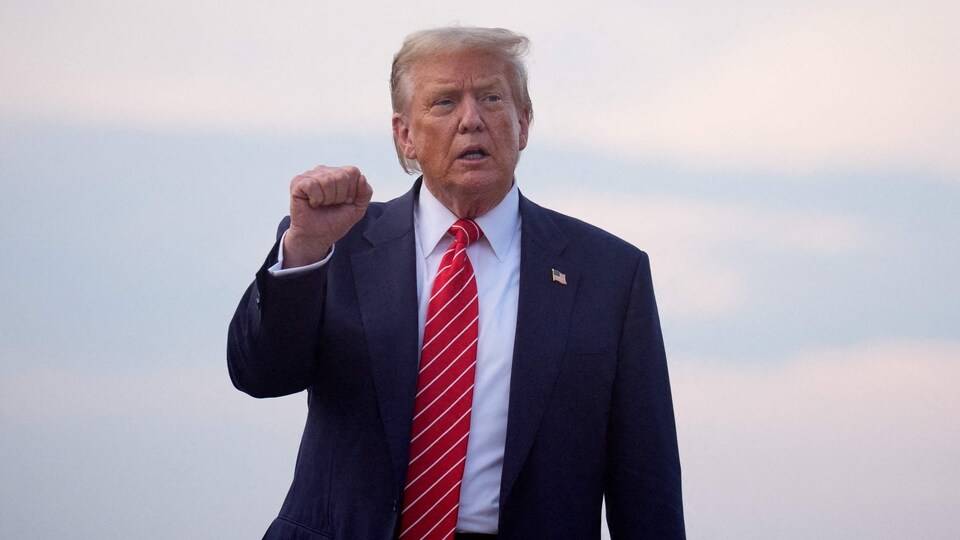
Trump has called birthright citizenship a draw for illegal immigration. In January, he signed an executive order trying to stop citizenship for children born to undocumented or temporary residents. But several federal judges blocked the order.
Judge John Coughenour in Seattle said, “This is a blatantly unconstitutional order.” Another judge, Deborah Boardman, wrote that no court has ever supported Trump’s view, the Associated Press reported.
Trump’s legal team argued that the words “subject to the jurisdiction thereof” in the 14th Amendment allow the government to deny citizenship in these cases. The Supreme Court didn’t weigh in on that. It only ruled on how far a single judge’s decision can go.
What will happen next?
The executive order is still blocked. The case returns to lower courts, which now have 30 days to figure out what to do under the new rules.
Two class-action lawsuits were filed right after the ruling, one in Maryland and another in New Hampshire. Immigration groups hope these lawsuits can still block Trump’s order across the country.
But legal experts say that path won’t be easy. According to the Associated Press, Professor Suzette Malveaux said class actions face several obstacles. Justice Sonia Sotomayor, in her dissent, told lower courts to move fast so the issue can reach the top court again. Advocates are worried that without nationwide protection, states could start following different rules. That could lead to confusion and legal chaos.
FAQs
What is the difference between a birthright citizen and a naturalized citizen?
A birthright citizen is born in the US, while a naturalized citizen is someone who becomes a citizen later through legal processes.
Did the Supreme Court rule on birthright citizenship?
No, the Supreme Court did not rule on the policy itself - only on the limits of nationwide court injunctions.
Do babies born in the USA automatically get citizenship?
Yes, most babies born on US soil are granted citizenship, regardless of their parents' immigration status.
What are the qualifications for birthright citizenship?
To qualify, a person must be born in the US and not fall under limited exceptions like children of foreign diplomats.