
 E-Paper



Yale scholar Gautam Mukunda slams Trump's $100,000 H-1B visa fee: 'Every country would kill to get IIT graduates'
Gautam Mukunda criticised the H-1B visa fee hike, saying that the decision makes no sense at all.


Yale scholar Gautam Mukunda has strongly criticised US President Donald Trump’s decision to impose a $100,000 fee on H-1B visas, warning that it could undermine the United States’ ability to attract elite global talent. Speaking on Bloomberg Radio, Mukunda called the move “economically unsound” and said it would put the US at a disadvantage in the global race for talent.
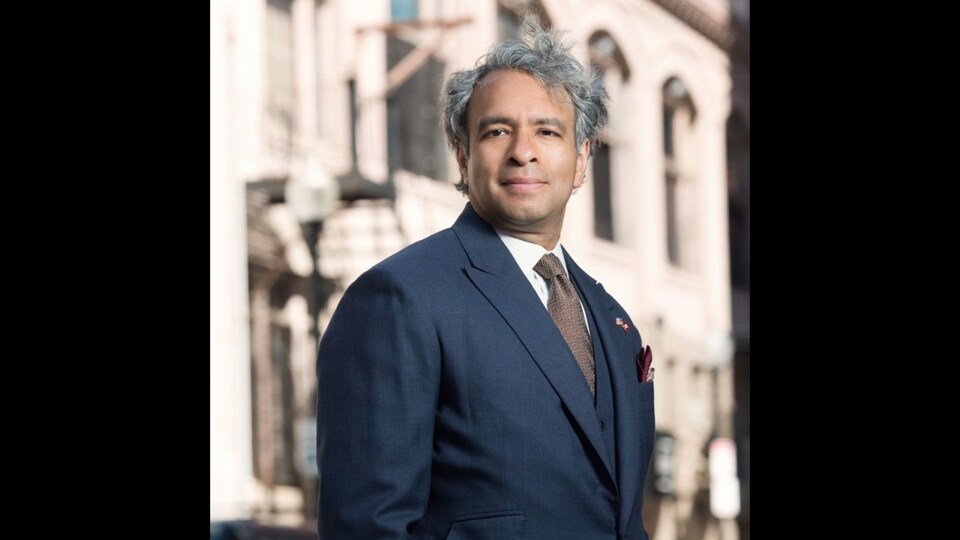
“Every country in the world would kill to get the best IIT graduates. But America is throwing this asset away for no reason. This H-1B visa decision makes no sense at all,” Mukunda said.
He noted that American business leaders are unhappy with the policy but hesitant to speak out, suggesting the decision may be more of a diversionary tactic than a meaningful reform.
How did social media react?
The scholar’s comments have sparked reactions on social media.
One user wrote, “It’s wild because the US literally benefits from decades of India’s investment in education, then turns away top talent when it’s time to reap the rewards. The irony is that those same grads end up fueling innovation back home or in competing economies.”
Another added, “Bro, calm down, Microsoft, NVIDIA, Apple, etc, are trillion-dollar companies and they will pay a premium for the IITians.”
“It’s true losing top talent hurts innovation. Policies should aim to retain the brightest minds, not push them away,” commented a third user.
(Also Read: Who are Srinivas Gopalan and Rahul Goyal? T-Mobile, Molson Coors name Indian-origin CEOs amid H-1B visa fee hike)
Can Trump’s $100,000 H-1B visa fee hurt US growth?
Notably, the $100,000 H-1B visa fee, introduced via Trump’s recent executive order, is intended to curb the overuse of foreign workers and encourage companies to hire American employees. The H-1B visa allows US firms to employ highly skilled foreign professionals in specialised fields such as technology, engineering, and finance.
Critics, however, say the policy may have the opposite effect, deterring top talent from contributing to the US economy. Economists have also expressed concern that the hefty new visa fee could damage US economic prospects.
Technology companies rely heavily on skilled international workers, particularly from India. A restrictive visa regime may discourage engineers, coders, and scientists from joining the American workforce, which could, in turn, have long-term consequences for US competitiveness and innovation, analysts warn.


