
 E-Paper



Vietnamese bride gets bizarre dowry from parents: 100 rare civet cats worth $70,000
A Vietnamese bride received a unique dowry of 100 civet cats valued at $70,000, alongside gold bars, cash and properties.

 Prefer HTon Google


A bride in Vietnam received a bizarre yet luxurious dowry from her parents: 100 civet cats, used in the production of Kopi Luwak—one of the most expensive coffees in the world. According to a report by the South China Morning Post, the 22-year-old bride, who has not been publicly identified, received the animals along with gold bars, cash, company shares, and multiple high-value properties.
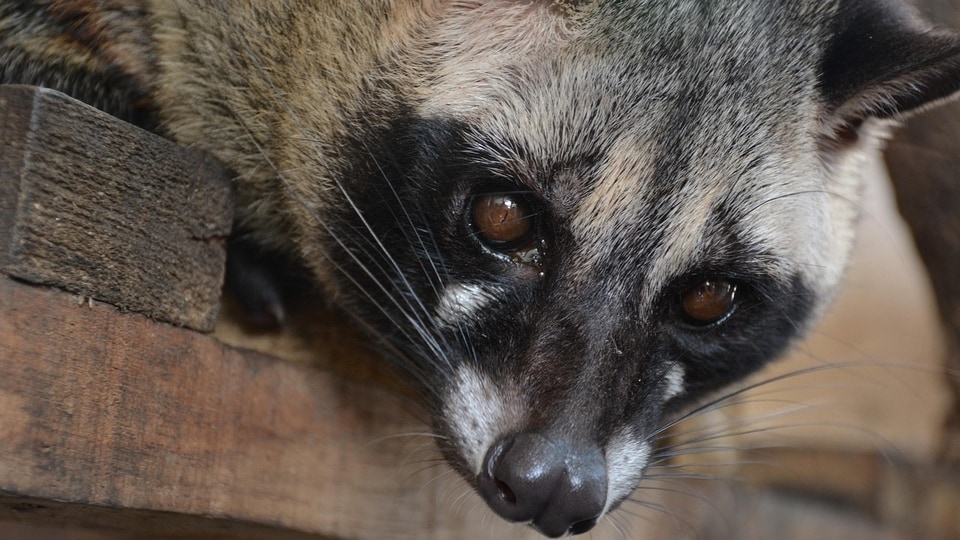
The 100 civet cats, all female, are worth an estimated $70,000. In addition to the animals, her dowry included 25 gold bars, $20,000 in cash, company shares valued at $11,500, seven properties, and other assets. In return, the groom’s family offered a bride price of 10 gold bars, $7,600 in cash, and diamond jewellery.
Why are civet cats valuable?
Civet cats are considered valuable assets in Vietnam, where one female can fetch around $700, and a pregnant one may sell for over $1,000. They play a central role in producing Kopi Luwak coffee: civets consume ripe coffee cherries, and after digestion, the beans are collected from their excrement, processed, and roasted into a premium brew.
Beyond coffee production, civet meat is regarded as a luxury food in China and Vietnam and is also used in traditional Chinese medicine.
The bride’s father explained that he wanted his daughter to own income-generating assets so she could be financially independent. “My daughter is a business school graduate. She is fully capable of managing these assets. No matter the method, it ensures her financial independence,” he was quoted as saying. He also noted that it was entirely up to her whether to raise or sell the animals.
Social media reacts
Reactions online were mixed. Some users praised the gesture, contrasting it with more traditional dowry practices in other countries. They lauded Vietnamese elites for offering forward-thinking assets, saying that teaching a daughter to manage a business is far more empowering than simply handing over money.
However, others voiced concern over the ethical implications. Critics pointed out that beneath the luxury was potential animal exploitation and called for deeper reflection on the morality of using wildlife in both business and marital transactions.


