
 E-Paper



'We decided not to expand WFH because...': Zoho's Sridhar Vembu explains company's stance
Sridhar Vembu said the company had reviewed the idea after PM Modi recently urged citizens and organisations to reduce fuel consumption and unnecessary travel.

 Prefer HTon Google


As companies continue to debate the future of remote work, Sridhar Vembu has said Zoho will not expand its work-from-home policy after internal discussions concluded that face-to-face collaboration works better for research and development teams. The Zoho founder said the company had reviewed the idea after PM Narendra Modi recently urged citizens and organisations to reduce fuel consumption and unnecessary travel amid rising global crude oil prices.
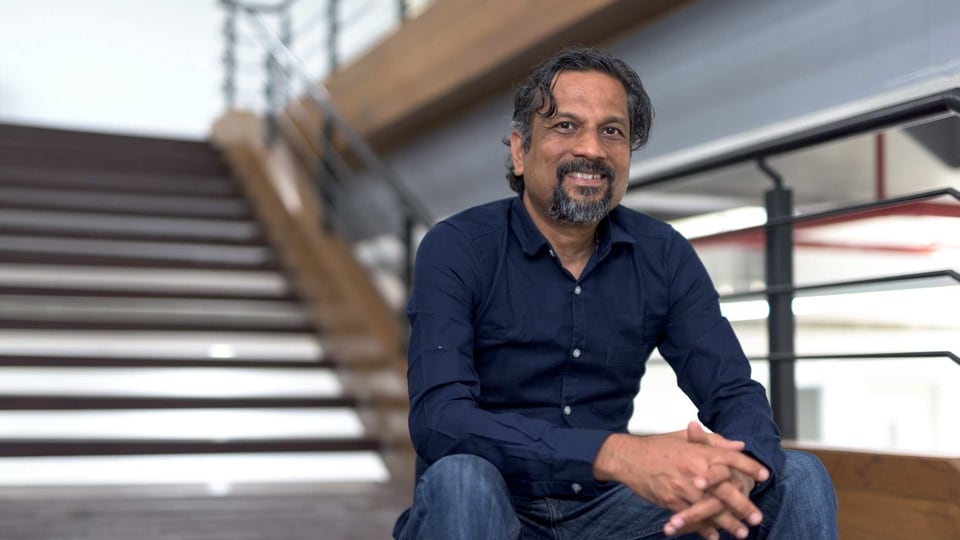
“Ultimately, after a lot of people inside weighed in on my X post, we decided not to expand WFH because the productivity of face to face problem solving is much higher in R&D. I have experienced this in my own development team - issues take longer to resolve when you are not meeting the people involved in solving the problem,” Vembu wrote.
He added that collaboration becomes more fluid in person and often results in better solutions. “Collaboration happens more fluidly face to face and we come up with better solutions,” he said.
Instead of widening remote work arrangements, Vembu said Zoho would focus on other ways to cut fuel consumption and improve sustainability efforts. “We are looking at electric bus fleets and electric cooking in our canteens to save fuel. We have made heavy investments in solar already,” he wrote.
Notably, the remarks come days after Vembu had indicated that Zoho was reconsidering its work-from-home policy in response to PM Modi’s comments on reducing fuel use.
On May 11, Vembu had posted, “I hope all of us heed the Prime Minister’s appeal. As a company, we adopted Work From Office fully in recent months, but we will revisit Work From Home now. We have adopted natural farming in our farm and we are also actively looking for ways to cut diesel use.”
However, in his latest post, Vembu said in-person collaboration led to faster problem-solving and stronger outcomes.
(Also Read: ‘No cash for votes’: Zoho's Sridhar Vembu calls for re-election in Tamil Nadu after TVK fails majority)
PM Modi’s appeal
Earlier this month, Modi urged citizens to adopt austerity measures amid the ongoing conflict in West Asia and rising pressure on global supply chains. Stressing that India imports more than 88% of its crude oil requirements, PM Modi urged people to reduce petrol and diesel consumption, use public transport and opt for carpooling whenever possible. He also suggested that employees should work from home wherever possible.
“We got into work-from-home, virtual meetings, video conferencing, and many other methods during COVID-19. We got habituated to them. The need of the hour is to resume those methods,” PM Modi said while addressing a rally in Telangana.
He also urged people to reduce edible oil consumption, avoid buying gold for one year, adopt Swadeshi products and move towards natural farming. “We have to save foreign exchange by any means,” he added.


