E-Paper



Soldiers killed, posts captured: Why Afghanistan, Pakistan are clashing at the border
Afghanistan described the Kabul strike as “violent and heinous,” and warned that the Pakistani army would face consequences if the situation worsened.

 Prefer HTon Google


Tensions between Pakistan and Afghanistan escalated into deadly clashes along their border over the weekend. Taliban claimed that its forces killed 58 Pakistani soldiers in overnight operations, following what it described as repeated violations of its territory and airspace by Islamabad.
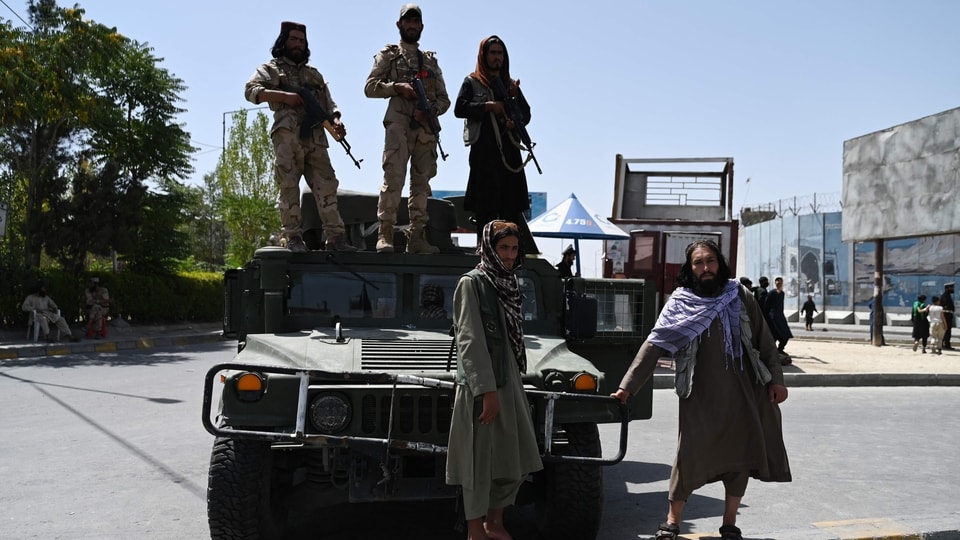
Speaking at a press conference, Afghan government spokesperson Zabihullah Mujahid said Afghan forces had captured 25 Pakistani army posts, with “58 soldiers killed” and 30 others wounded, reported the Associated Press.
The exchange of fire dealt a big blow to both sides, significantly more to Pakistan, as per the Taliban. Mujahid said nine Afghan soldiers were killed during the clashes on Saturday, adding that the military action sparked by a blast on Afghan soil was halted at midnight after diplomatic intervention from Qatar and Saudi Arabia.
Follow Pakistan-Afghanistan border clash live updates
The attack that started it all
Afghan authorities say the latest flare-up came after two strikes earlier in the week, which they attribute to Pakistan. The first blast hit before 10 PM on Thursday in Kabul’s Abdul Haq Square, close to several ministries and the national intelligence agency, while the second occurred in the eastern province of Paktika.
The Afghan statement described the pair of strikes as “unprecedented, violent and heinous,” and warned that the Pakistani army would face consequences if the situation worsened.
However, the Afghan ministry did not supply details about the alleged targets, on what the source of the bombing was or how the strikes were carried out so deep in the territory without being intercepted.
Notably, Pakistan has a history of carrying out cross‑border strikes into Afghanistan to target alleged militant hideouts; Islamabad claims Afghanistan-based militants conduct attacks inside Pakistan and that it must act to protect its people, a charge Afghan officials deny.
The alleged strikes come as the Taliban make their first diplomatic visit to India since returning to power in 2021. Experts say closer ties between India and Afghanistan could be viewed with suspicion in Islamabad, which is concerned about potential destabilising effects on Pakistan’s western borders.
Pakistan's ‘no compromise’ response to strikes
Pakistan’s government condemned what it called “provocations by Afghanistan” along the border and said it would respond to any threat to its defence.
“There will be no compromise on Pakistan's defence, and every provocation will be met with a strong and effective response,” Prime Minister Shehbaz Sharif said, accusing Afghan authorities of letting their territory be used by “terrorist elements.”
A senior Pakistani security official (speaking on condition of anonymity) told AP that Afghan forces opened fire in multiple northwestern border districts in Pakistan’s Khyber Pakhtunkhwa province – including Chitral, Bajaur, Mohmand, Angoor Adda and Kurram.
He further added that Pakistani troops returned fire with heavy weaponry near Tirah and across the frontier in Afghanistan’s Nangarhar province.
At a news conference, Pakistani army spokesman Ahmad Sharif was asked whether the military had carried out strikes inside Afghanistan to target leaders of the banned Pakistani Taliban group but he did not present a direct answer rather said that “nevessary measures” to safegaurd Pakistani people “will be taken.”
Pak-Afghanistan border crossings closed
Fierce clashes prompted closures at major border crossings. Torkham, one of two principal trade routes between the countries, did not open at its usual time of 8 AM on Sunday, and officials said both Torkham and Chaman crossings were shut after overnight fighting, reported news agency AFP.
The closures disrupt trade and movement for communities on both sides of the border.
Pakistan and Afghanistan share a 2,611-kilometre (1,622‑mile) frontier, commonly referred to as the Durand Line; Afghanistan has never formally recognised it.
Relations have been tense since the Taliban returned to power in Kabul in 2021. Islamabad accuses Kabul of sheltering militants who carry out attacks in Pakistan, an assertion Afghan authorities reject.