
 E-Paper



Boeing finally launches historic Starliner mission with Sunita Williams onboard; Elon Musk reacts
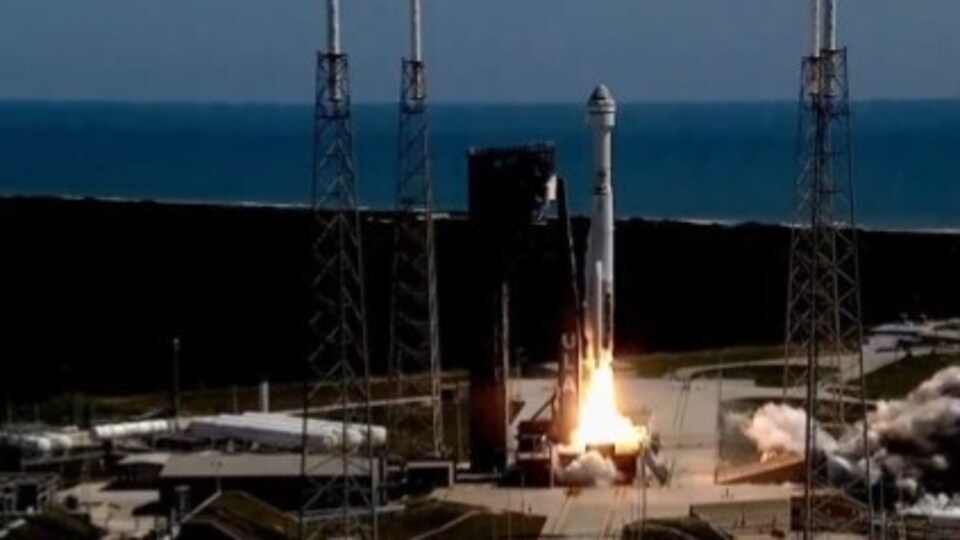
Boeing on Wednesday finally launched astronauts aboard a Starliner capsule bound for the International Space Station (ISS).

 Prefer HTon Google


Boeing on Wednesday finally launched astronauts aboard a Starliner capsule bound for the International Space Station (ISS).
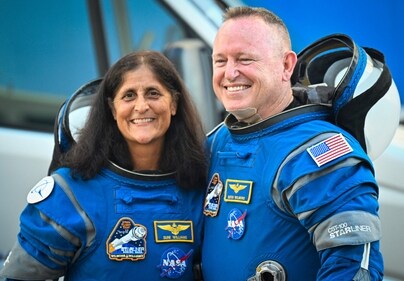
Butch Wilmore and Suni Williams, NASA test pilots, have become the first to fly the new spacecraft.
Liftoff was targeted for 10:52 am (1452 GMT) from the Cape Canaveral Space Force Station in Florida, for a roughly one-week stay at the station.
Meanwhile, SpaceX CEO Elon Musk extended his best wishes to Boeing and the crew for successful launch.
A look at Boeing's previous attempts
The last attempt, on Saturday, was dramatically aborted with less than four minutes left of the countdown as the ground launch computer went into an automatic hold.
The problem was later traced to a faulty power supply source connected to the computer, with the malfunctioning unit since replaced.
And a buzzy valve on the United Launch Alliance Atlas V rocket scuppered a previous attempt on May 6, a few hours before launch.
In both cases, astronauts Butch Wilmore and Sunita Williams were strapped in and ready to go, only to be forced to return to strict quarantine in their quarters.
The pair of ex-Navy test pilots might have been forgiven for thinking they were stuck in Groundhog Day as they waved their goodbyes to their families on Wednesday morning and headed to the astrovan that led them to the launchpad.
The Starliner program has already been beset by years of safety scares and delays, and a successful mission would offer Boeing a much-needed reprieve from the intense safety concerns surrounding its passenger jets.
NASA meanwhile is looking to certify Boeing as a second commercial operator to ferry crews to the ISS -- something Elon Musk's SpaceX has already been doing for the US space agency for four years.
Both companies received multibillion-dollar contracts in 2014 to develop their crew capsules, following the end of the Space Shuttle program that left the US temporarily reliant on Russian rockets for rides.
Boeing, with its 100-year history, was heavily favored, but its program fell badly behind.


