
 E-Paper



British pubs in crisis as large beer stocks go waste amid Covid-19 pandemic
Ministers have indicated that pubs and restaurants would be the last to re-open, not at least until the end of August. Some pubs have diversified into delivering drinks to homes, but since there is no ban on selling liquor in shops, such sales are small.

 Prefer HTon Google


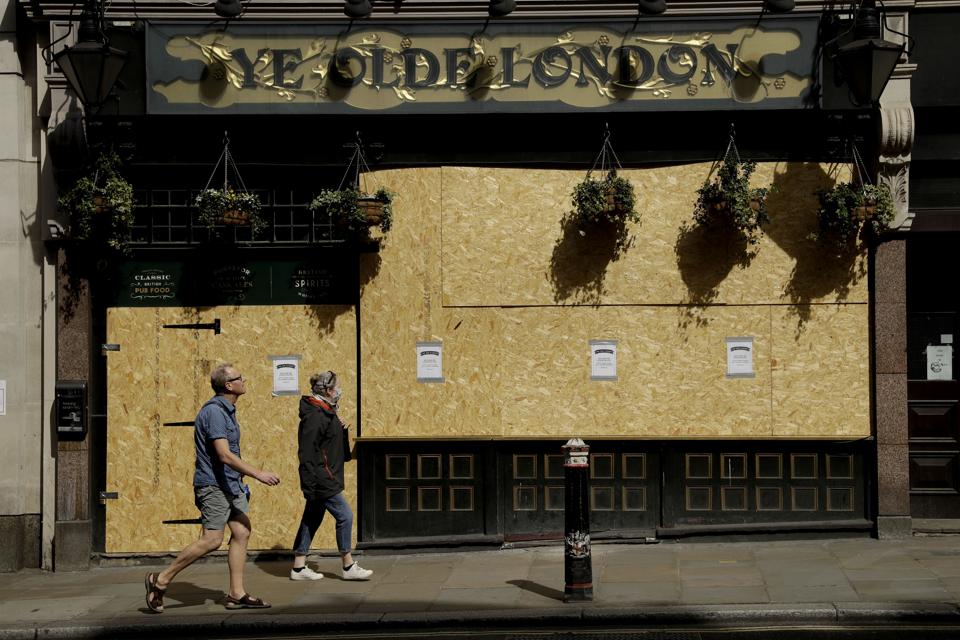
It is a symbol of British culture, but the pub faces a crisis of survival in the coronavirus pandemic: thousands face closure, while gallons of beer, ale, cider and other drinks in stock have gone waste - including in many ‘desi pubs’ in London and elsewhere.
One brewery left with surplus when the lockdown was announced is giving away beer for free, with people – maintaining social distancing – lining up in Northumberland to take home the tipple that has a relatively short life span of three weeks.
But in pubs across the UK – many with histories dating back centuries – the buzz of conversation is absent, so is the fizz of craft drinks. The British Beer & Pub Association says 40% of 47,000 pubs will not survive beyond September without government support.
They include a large number of ‘desi pubs’ that combine the traditions of the British pub with Indian food and music, such as Bollywood songs and live ‘bhangra’ performances, particularly in parts of London, Leicester, Birmingham and the west Midlands.
Ministers have indicated that pubs and restaurants would be the last to re-open, not at least until the end of August. Some pubs have diversified into delivering drinks to homes, but since there is no ban on selling liquor in shops, such sales are small.
Emma McClarkin of the British Beer & Pub Association, says: “Nearly half of the UK’s pubs could close unless the government does more to help them. For the sake of communities and jobs across the UK – as well as the very institution of the great British pub – the government cannot allow that to happen”.
“Nearly 19,000 pubs are at risk and 320,000 jobs too…Our ask to the government is clear, recognise the real jeopardy facing the great British pub and act now to save it, or risk losing many locals and their communities”, she adds.
Industry estimates say even before the lockdown, the pubs’ historic role as a convivial place to meet, socialise and more faced challenge from the proliferation of coffee shops and restaurants. There were around 60,000 pubs in 2000; now the figure is 47,000.
Some insist this reflects a progressive loss of the British way of life, and hark to novelist George Orwell’s famous 1946 essay, The Moon Under Water, that described the perfect pub: Victorian fittings, cast-iron fireplaces, food, garden, and charming family-friendly places.
Calling for a 12-month business rates holiday to deal with the effect of the pandemic, Ruth Sloan of Campaign for Real Ale, the consumer group representing beer drinkers and pub goers, says: “When all this is over, many of us are looking forward to getting down to the pub for a pint with friends and family”.
“Pubs are a vital part of our social fabric, helping to tackle loneliness and social isolation, providing a place for communities to meet and offering a supervised setting for responsible drinking”.


