
 E-Paper



China plays Pak card in UNSC, blocks terror tag for Lashkar killer Sajid Mir
Sajjd Mir was the key handler of the ten LeT terrorists who wreaked mayhem in Mumbai on November 26, 2008, in which over 166 Indian and foreigners including US nationals were gunned down. The 26/11 operation was a joint venture between Pakistani ISI and LeT and was controlled from Karachi.

 Prefer HTon Google


China today brazened it out in support of its client state Pakistan by blocking a joint proposal moved by US and India to designate Muridke based Lashkar-e-Toiba (LeT)’s chief architect of 2008 Mumbai attacks Sajid Mir as specially designated global terrorist by the 1267 Al Qaida Sanctions committee of the UN Security Council.
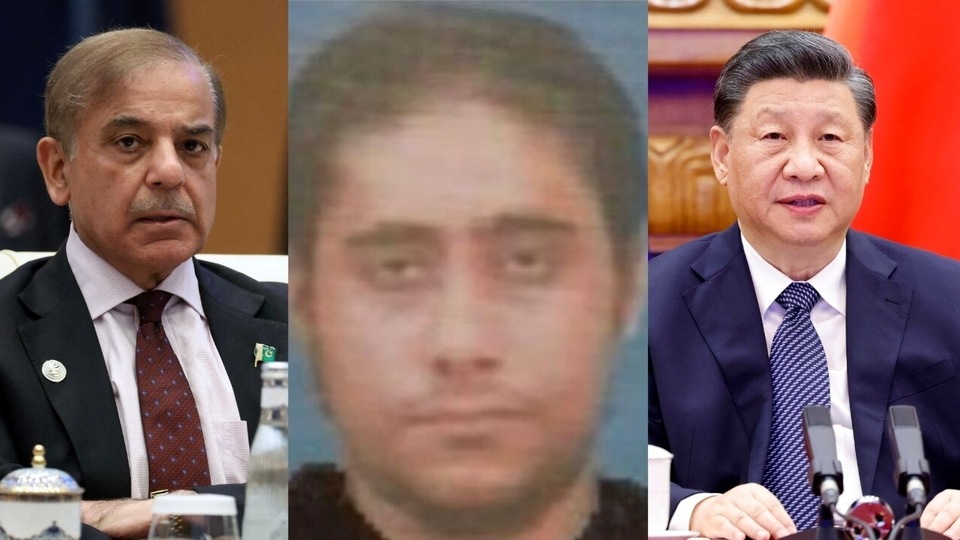
This is the third proposal that has been put on hold by China after LeT’s top leader Abdul Rehman Makki, brother-in-law of designated terrorist Hafiz Saeed, and Jaish-e-Mohammed’s operational terror commander Mufti Rauf Azhar, younger brother of Masood Azhar.
Despite Beijing’s move makes the communist nation a tacit supporter of terror groups based in Pakistan; it is now quite evident that any move by India with the support of P-5 sponsors will be blocked by China in support of Islamabad. The quid pro quo in this case is evidently the total silence from Pakistan over Chinese human rights violations and atrocities against Sunni Muslims in restive Xinjiang or East Turkestan province.
Sajjd Mir was the key handler of the ten LeT terrorists who wreaked mayhem in Mumbai on November 26, 2008, in which over 166 Indian and foreigners including US nationals were gunned down. The 26/11 operation was a joint venture between Pakistani ISI and LeT and was controlled from Karachi. Mir was convicted by the Pakistani court this June for 15 years after Islamabad had declared the terrorist dead for many years.
The conviction was clearly done to seek brownie points with the FATF so that Pakistan is removed from the under watch “Grey List” of the global terror finance tracking watchdog. Since 2008, Mir was under protective custody of Pakistani deep state and was handling recruitment for the proscribed LeT. Intelligence inputs suggest that Mir had undergone facial surgery and was living on the outskirts of Islamabad.
Mir had joined the terror group after a career in Pakistan Army. During his stint in the army, he trained terrorists, expanded Lashkar's reach across at least three continents, and plotted terror attacks in countries like Australia, Virginia in the United States and France.
Willi Brigitte, the French former naval cadet who joined terror ranks, revealed in an interrogation that Mir had ties to al Qaeda in Afghanistan and had direct access to Lashkar's military chief Zaki-ur-Rehman Lakhvi. The Lashkar terrorist was handling the terror group's overseas operatives and coordinated with the foreign recruits at the LeT headquarters on the outskirts of Lahore in Muridke.
According to intelligence officials, Mir had passed himself off as a cricket fan to enter India in April 2005 and conducted reconnaissance of the Indian Military Academy at Dehradun and the National Defence College.
The US intelligence agencies later figured that it was Mir who ordered the Lashkar terrorists to take the head shot at the Holtzberg couple at Chabad House in Mumbai during the massacre.


